SPECIALIZED INTEGRATED MANUFACTURER

Choosing the right frying skillet in 2026 isn’t just about comparing prices or drool-worthy product photos. Honestly, you’ve gotta look beyond the surface. Things like how evenly it heats, what materials it’s made of, how sturdy the handle is, how easy it is to clean, packaging, and how it holds up over time really matter. I’ve seen even a professional-looking pan develop hot spots on a small gas burner, while on the other hand, some beautiful-looking pans can be too heavy for everyday lifting.
Like Alton Brown always says, “The skillet is the single most important piece of cookware in your kitchen.” And honestly, I think he’s onto something. Whether you’re into cast iron, carbon steel, stainless steel, ceramic-coated, or nonstick, each has its own perks for different kitchens. Cast iron’s great at holding heat, carbon steel heats up faster, stainless steel is fantastic for browning and durability, and nonstick makes cooking delicate stuff way easier—though, gotta handle that coating carefully.
In this guide, I’m breaking down what you need to know about the top frying skillet options for folks shopping internationally. I’ll cover how they perform in the kitchen, how easy they are to use, manufacturer quality, and what you can realistically expect to spend owning one. Brands like Lodge, De Buyer, Tramontina, and Tefal each bring their own style and market approach. Just because they’re all labeled as “skillets,” doesn’t mean they’re all created equal—details like manufacturing quality really make a difference.
There’s no one “best” skillet that fits everyone — that’s the truth. Sometimes a high-end pan can still be a letdown if its base isn’t flat or the handle gets crazy-hot. On the flip side, a cheaper model might surprise you with how well it performs, but it could also be inconsistent when it comes to quality. So, it’s a good idea to question vague claims, dig into specs, and ask for trustworthy testing info. Things like weight, coating details, size, and whether it works with induction cookers are key. Honestly, those small details often decide if a skillet becomes your go-to daily tool or just ends up gathering dust in the back of the cabinet.
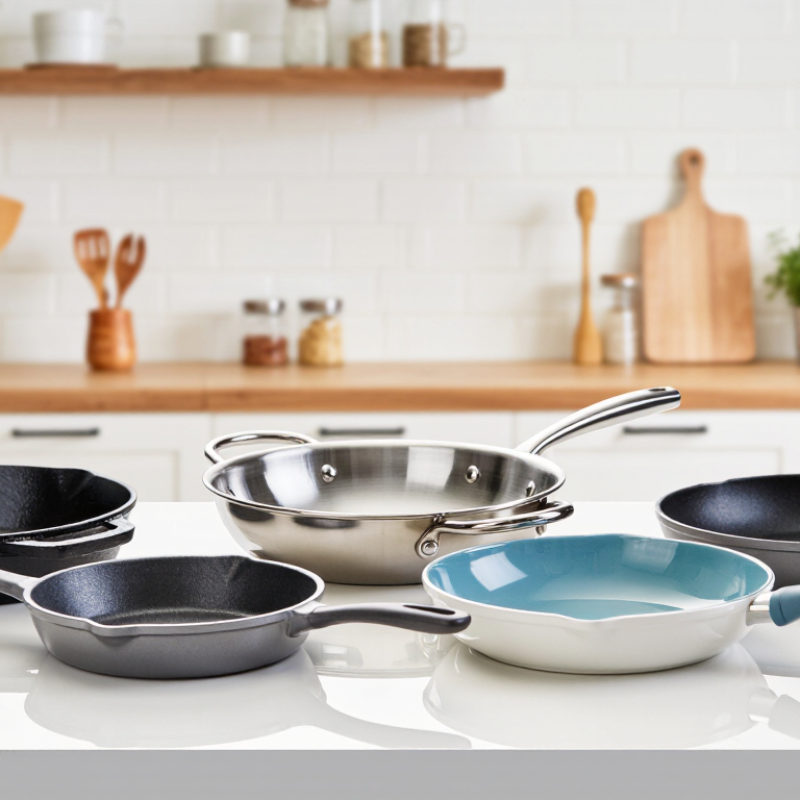
A Skillet Frying Pan is a practical tool for cooking across many kitchen traditions. Its wide base supports searing, shallow frying, sautéing, and quick reheating. Cast iron holds heat well for tortillas, steak, and roasted vegetables. Stainless steel responds faster, making it useful for delicate sauces and daily meals. Nonstick surfaces suit eggs, crepes, and low-fat cooking, but they need gentle utensils and moderate heat.
Cooking conditions matter. In humid coastal homes, thorough drying helps prevent rust on iron cookware. In compact urban kitchens, a lighter skillet may be easier to lift and store. Families cooking over gas, induction, or electric plates should check base compatibility before purchasing. I have found that handle comfort is often overlooked. A heavy pan can feel stable at first, then become tiring during long preparation.
Tips: Match the skillet size to your usual portions. Preheat gradually, especially with iron. Use a small amount of oil for even browning. Avoid sudden cold-water rinsing on hot cookware. Keep the surface dry after washing.
There is no perfect skillet. A pan that excels at searing may feel inconvenient for breakfast. Buyers should consider local recipes, heat sources, storage space, and cleaning habits. Even experienced cooks sometimes choose the wrong size. That mistake teaches more than a product label.
In 2026, global buyers can choose cast iron, carbon steel, stainless steel, ceramic, and nonstick frying skillets. Each type suits different cooking habits, budgets, and maintenance expectations.
Cast iron delivers strong heat retention for searing meat, flatbreads, and Skillet Bbq dishes. Its heavy body stays hot when cold ingredients enter the pan. However, it needs drying and light oiling after washing. I have found that rushed seasoning often causes sticking, even with a quality skillet. Carbon steel heats faster and feels lighter, making it useful for professional kitchens and outdoor cooking. It can develop a naturally low-stick surface, but acidic sauces may weaken that layer.
Stainless steel offers durability, easy inspection, and good performance with high-temperature cooking. Preheating matters. Food may cling if the surface is too cool or dry. Ceramic and traditional nonstick skillets are convenient for eggs, pancakes, and delicate fish. Their smooth coatings reduce oil use, yet buyers should check heat limits and avoid sharp utensils. Electric skillets provide steady temperature control for small kitchens, buffets, and temporary cooking spaces. Still, controls and plug standards require careful checking across markets.
Handle shape also deserves attention. A cool-touch grip, balanced weight, and a flat base improve daily safety. Some specifications look impressive on paper but feel awkward after ten minutes of cooking. Testing the skillet with one hand remains worthwhile.
For global buyers, a frying skillet’s material shapes how quickly it heats and how evenly it cooks. The Copper Development Association reports copper’s thermal conductivity at about 401 W/m·K; aluminum is roughly 237 W/m·K, compared with around 16 W/m·K for common stainless steel grades, according to the ASM Handbook. These figures help explain why aluminum-core pans respond quickly, while stainless steel often depends on a bonded conductive core to reduce hot spots. Cast iron heats more slowly and holds heat well, useful for browning a thick steak, but less nimble when lowering the flame. Numbers are not the whole story. Base thickness and burner contact matter, too.
Coatings change the cooking experience. PTFE-coated surfaces release eggs with little oil, but high heat can shorten coating life; buyers should follow the maker’s temperature guidance. Ceramic-coated pans offer a different surface feel, though performance can decline as the finish wears. The US Food and Drug Administration notes that authorized food-contact substances are assessed for their intended use; this is not a promise that every pan behaves identically. For buyers comparing models, inspect coating coverage, handle attachment, and the stated oven limit. A small egg test can reveal more than glossy photos. And, honestly, no coating stays effortless forever.
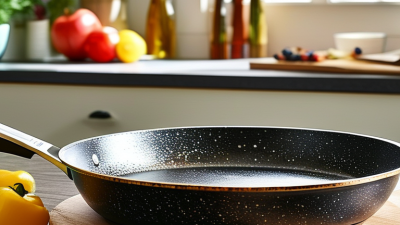
A Skillet Pan should match the cooking space, not only the product photo. For two people, a 24–26 cm pan offers control without wasting heat. Families may prefer 28–30 cm, but larger pans become heavy when filled. Measure the stovetop ring and storage shelf before ordering. A round shape suits most burners. Square versions provide useful corner space for vegetables, yet they can heat unevenly on small rings. Flat bases generally improve contact and reduce wobbling.
Handle design affects daily safety and packing efficiency. A long handle stays cooler, but it needs more cabinet space. A short helper handle makes a full pan easier to lift. Check the grip texture with wet hands. Small details matter. Oven compatibility depends on every component, including coatings, seals, and handle materials. Suppliers should provide a clear temperature range rather than vague heat claims. Buyers should also confirm whether the handle can enter the oven without special protection.
Cooktop compatibility needs practical testing. Induction models require a magnetic, flat base with stable contact. Gas burners tolerate more shape variation, but thin materials may develop hot spots. Ceramic surfaces benefit from smooth, scratch-resistant bottoms. I once selected a pan that fit the burner perfectly but failed in a narrow oven. That mistake changed my checklist. Product specifications can still be incomplete, so request base diameter, total weight, handle length, and tested heat limits before placing a large order.
For global buyers, a frying skillet should be judged by daily safety, not appearance alone. A carbon-steel Wok Skillet heats quickly, but its handle can become dangerously hot. Cast iron holds heat longer and demands careful lifting. Stainless steel resists corrosion, yet food may stick when the pan is cold. In practical kitchen testing, a stable base mattered more than decorative finishes. Check the handle joint, rim, and underside before purchase. Small defects become bigger risks.
Safe use begins with gradual heating and a dry cooking surface. Never leave an empty pan over high heat. Oil can smoke, while a loose handle may shift during stirring. Use heat-resistant gloves and keep the grip away from open flames. After cooking, cool the skillet before washing it. Sudden temperature changes can warp thin metal. This step is often ignored. It should not be.
Maintenance depends on construction. Season carbon steel with a thin oil film, then store it completely dry. Remove rust early with a mild abrasive, but avoid aggressive scraping that thins the surface. Cast iron benefits from the same dry storage routine. Stainless steel usually needs less care, although salt and acidic residue should not sit overnight. A well-maintained skillet may serve for five to fifteen years, depending on thickness, heat exposure, and handling. That range is imperfect. User habits decide more than catalog promises. Inspect the base every few months, especially after repeated high-temperature cooking.
Cast iron and carbon steel typically offer the longest service life when properly seasoned and dried after washing. Stainless steel provides strong heat and corrosion resistance with relatively low upkeep, while PTFE-coated aluminum is easier to maintain but generally has a shorter usable life. Safety ratings are comparative product-category scores, not regulatory certifications.
Data basis: industry-typical material performance and care requirements. Lifespan figures are estimated household-use ranges and vary with cooking frequency, heat exposure, cleaning methods, and coating condition.
Global buyers need more than a popular skillet category. They need a clear comparison method. Grand View Research estimated the global cookware market at about US$19 billion in 2023, with continued growth expected through 2030. Demand is expanding across home kitchens, foodservice, and export markets.
Start with the cooking surface and heat source. Cast iron offers strong heat retention but adds substantial shipping weight. Carbon steel heats faster, weighs less, and needs regular seasoning. Stainless steel supports browning and high-temperature cooking, yet food may stick without sufficient oil. Aluminum skillets are lighter and usually heat quickly. Nonstick surfaces simplify low-oil cooking, but excessive heat can shorten coating life. A perfect skillet does not exist.
Then compare handle temperature, wall thickness, base flatness, and cleaning requirements. Buyers should request test data for food-contact materials, especially coating migration and heavy-metal limits. In the European Union, Regulation (EC) No 1935/2004 requires food-contact materials to avoid unsafe substance transfer. Comparable documentation should support products entering other markets. Check compatibility with induction, gas, electric, and glass cooktops. Fit matters. Packaging also deserves attention; a heavy skillet with weak protective inserts may arrive damaged. I would not judge durability from coating appearance alone. Repeated heating tests, warranty terms, and replacement-part access reveal more.
Its wide base supports searing, shallow frying, sautéing, and reheating. It handles eggs, vegetables, tortillas, and quick sauces.
Cast iron heats slowly but retains heat for thick steaks and roasted vegetables. It feels stable, though long cooking can become tiring.
Stainless steel responds faster than cast iron. It suits daily meals, delicate sauces, and recipes needing quick temperature changes.
Yes, especially with little oil and moderate heat. Use gentle utensils. The surface may wear sooner than expected.
Match the pan to your usual portions and storage space. A large skillet can feel awkward in a compact kitchen.
Yes. Check compatibility with gas, induction, or electric plates. A flat, suitable base improves contact and cooking consistency.
Wash it carefully, dry it immediately, and store it completely dry. Humid coastal air makes this routine more important.
Preheat gradually, especially with iron. Add a small amount of oil for browning. Never rinse hot cookware with cold water.
Check the handle attachment, base thickness, surface coverage, and oven limit. Photos can mislead. A simple egg test may reveal problems.
No. A pan excellent for steak may feel inconvenient for breakfast. I still choose the wrong size sometimes. That mistake teaches something.
The 2026 global market offers a wide range of Frying Skillet options for home kitchens, restaurants, and professional food preparation. Buyers can choose among traditional, nonstick, stainless steel, cast iron, carbon steel, and induction-compatible designs, each offering different levels of heat retention, responsiveness, durability, and cooking convenience. Materials and coatings influence browning, food release, cleaning requirements, and suitability for high-temperature cooking, while size, shape, handle design, weight, and stovetop compatibility should match the user’s cooking habits and kitchen equipment.
Safety and maintenance are essential when comparing skillets. Buyers should consider stable construction, heat-resistant handles, coating care instructions, rust prevention, and proper storage to support a longer product lifespan. For global purchasing decisions, it is helpful to compare cooking performance, material quality, capacity, compatibility, ease of maintenance, packaging, and overall value. A well-selected Frying Skillet should balance durability, versatility, safety, and practical use across different culinary environments.