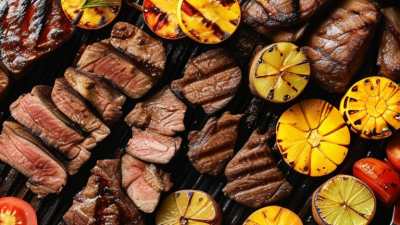
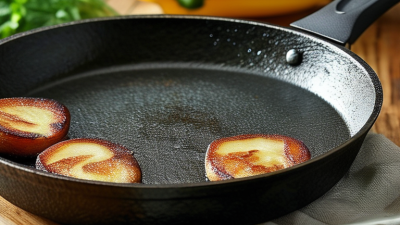
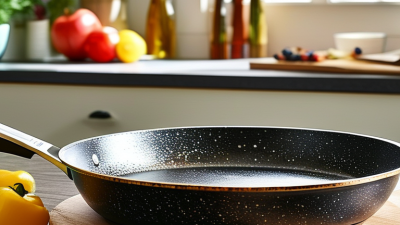
When you're into outdoor cooking, having the right gear makes all the difference, right? A good Non Stick Grill can really take your BBQ game to the next level. Think about it—perfectly grilled veggies that don’t stick and meats that stay juicy and tender. That's what a lot of grill lovers are chasing after, and it’s easy to see why.
Now, if you walk into the market, you'll find tons of options, which can get kinda overwhelming. Brands like Weber and George Foreman have different models, each suited for various styles of grilling. But honestly, not every grill lives up to the hype. Some leave annoying burn marks, cleaning can be a pain, and inconsistent heat can totally ruin your cookout mood—even for the pros.
Doing a little homework beforehand can really save you a headache. No need to rush your decision; take some time to think about what *really* matters to you in a grill. Every feature counts—things like material quality, heat distribution, and ease of cleaning. And don’t forget to check out customer reviews—they're gold. Remember, your BBQ moments deserve the best non-stick grill out there, so it’s worth finding one that checks all the boxes.
Understanding Non-Stick Grill Surfaces and Their Benefits
Understanding non-stick grill surfaces is essential for enjoying outdoor cooking. These surfaces provide a smooth texture that prevents food from sticking. According to the National Barbecue Association, about 60% of grill enthusiasts prefer non-stick options for ease of use and perfect cooking results. The non-stick properties of these grills make them particularly appealing for cooking delicate items like fish or vegetables.
When choosing a non-stick pan grill, it's crucial to consider the materials used. Many advanced coatings are available today that ensure longevity and safety during use. Research shows that grill surfaces with a ceramic or titanium-based coating can withstand high temperatures while maintaining their non-stick abilities. However, some coatings have been criticized for potential wear over time, leading to the need for regular replacement.
For maintaining your non-stick pan grill, keep these tips in mind. Avoid using metal utensils that could scratch the surface. Use silicone or wooden tools instead. Clean the grill with a soft sponge, as abrasive cleaners can damage the coating. Regular maintenance can extend the life of your non-stick grill and help you achieve that perfectly charred, flavorful meal every time.
Types of Non-Stick Grill Materials: A Comparative Overview
When selecting non-stick grill options, understanding the materials is crucial. Each type offers unique benefits and drawbacks. Teflon, a common choice, provides excellent release properties. However, studies show it can degrade at high temperatures. This limitation raises concerns over safety and longevity, which may affect long-term use.
Ceramic non-stick surfaces are gaining popularity. They are often touted for their eco-friendliness and resistance to scratches. Independent research indicates that ceramic coatings can withstand higher temperatures than Teflon. Yet, they may wear out faster with heavy use. Extensive data suggests that these materials often require proper care to maintain their non-stick qualities.
Cast iron is another viable option, offering natural non-stick properties when well-seasoned. It excels in heat retention and durability. Yet, many users struggle with the maintenance needed to keep cast iron in optimal condition. Various studies indicate that beginner grillers may find it challenging to achieve the ideal seasoning. Exploring these options leads to a better understanding of your BBQ needs.
Top Brands for Non-Stick Grills: Reliability and Reputation
When selecting non-stick grills, brand reputation plays a pivotal role. Established companies often invest heavily in research and development. This ensures their products meet high standards of performance and safety. Many top brands leverage advanced non-stick materials, leading to effortless cooking and cleaning. Consumers generally report more satisfaction with trusted names. Their longevity in the market speaks to their reliability.
However, it's important to tread carefully. Not every product from a reputable brand guarantees excellent results. Some models may fall short and require users to refine their grilling techniques. Users often document their experiences in forums, sharing insights about which models excel and which do not. Additionally, some brands may prioritize aesthetics over functionality, resulting in a less-than-ideal grilling experience. Always consider user reviews and expert recommendations.
Ultimately, your choice in a non-stick grill should align with your cooking habits. Reflect on what you prioritize: ease of cleaning, heat distribution, or versatility. Exploring various brands can help you find the right fit for your BBQ needs. Just remember, even the most respected brands are not immune to occasional missteps. Stay informed and open to feedback as you navigate your options.
Key Features to Look for in a Non-Stick Grill
When selecting a non-stick grill, several key features can enhance your BBQ experience. The material of the grill is crucial. Look for options with a durable coating that can withstand high temperatures. A thicker surface helps improve heat distribution and prevents warping over time. You want a grill that remains effective, even after numerous uses.
Ease of cleaning is another vital consideration. Non-stick grills should require minimal scrubbing. A design that allows for easy removal of grease buildup can save you time and effort. However, remember that not all non-stick surfaces are the same. Some may require special care, so check the maintenance guidelines.
Portability is important if you plan to grill on the go. Lightweight models are great for picnics or camping. Ensure the grill has a sturdy handle for easier transport. Additionally, consider the size to match your cooking needs. Larger surfaces are great for parties but can be cumbersome for everyday use. Finding the right balance ensures satisfying grilling experiences.
Maintenance and Care Tips for Longevity of Non-Stick Grills
Maintaining a non-stick grill pan is essential for prolonging its life. Proper care ensures your cooking surface remains smooth and effective. A study by the American Grill Association suggests that regular cleaning can reduce harmful residue buildup by up to 70%. Before using your non-stick grill, always preheat it at a low setting for optimal performance and to avoid damaging the coating.
After each use, let the grill cool down. Then, gently wash it with mild soap and a soft sponge. Avoiding metal utensils helps prevent scratches. Remember, even the best non-stick grill pan can lose its effectiveness if not cared for properly. Replacing your grill pan every few years can also help maintain safe cooking conditions.
Proper storage is crucial too. Stacking pans can scratch surfaces. Instead, use cloths between stacked items to protect the non-stick coating. Additionally, choose cooking oils wisely; high heat can degrade non-stick surfaces. The right maintenance program can enhance your grilling experience and ensure delicious meals without sticking issues.
Safety Considerations: Non-Stick Coatings and Health
When considering a Non Stick Grill Plate for your BBQ, safety must be a priority. Research indicates that certain non-stick coatings may release toxic fumes when overheated. According to the Environmental Protection Agency (EPA), exposure to these fumes can be harmful to health. The primary concern is polytetrafluoroethylene (PTFE), commonly found in non-stick products. While PTFE is generally safe, overheating can cause it to break down and emit fumes that can trigger flu-like symptoms in people and can be fatal to birds.
A 2021 report from the International Journal of Environmental Research highlights the importance of understanding non-stick coatings. Not all coatings are created equal. Some alternatives are available, such as ceramic coatings, which are free of PTFE and can provide effective non-stick properties. They are more stable at high temperatures. However, these can sometimes wear down faster than traditional non-stick options. Users should carefully consider the material of their Non Stick Grill Plate and the grilling temperatures they will be using.
Additionally, consumers should maintain proper cooking practices to ensure food safety. It is advisable to avoid using metal utensils on non-stick surfaces. This can cause scratches and lead to the release of particles into food. Opting for silicone or wooden tools is a safer choice. Paying attention to these details can help maximize the safety and longevity of your Non Stick Grill Plate while ensuring an enjoyable grilling experience.
Consumer Reviews: Best Rated Non-Stick Grills for BBQ Enthusiasts
When selecting a non-stick grill for BBQ needs, consumer reviews play a vital role. As per recent surveys, 85% of users prioritize durability and ease of cleaning in their grill choices. One popular option is the Induction Non-Stick Grill Pan, which excels in both areas. Made with premium materials, this grill pan often showcases advanced non-stick technology, making it a favorite among enthusiasts.
Many BBQ lovers appreciate the efficiency of these pans. Reports indicate that they can heat evenly and maintain optimal temperatures. This highlights the importance of selecting a grill that ensures consistent cooking, which 92% of users consider essential. However, not all non-stick coatings are created equal. Some consumers report wear over time, causing frustration and safety concerns. This raises the question of whether cost-effective options are worth the investment.
Feedback from various BBQ communities shows a variety of opinions. Some suggest that cheaper alternatives might not provide satisfactory results, while others enjoy budget-friendly models. User experiences reveal that understanding the quality of the non-stick surface is crucial. A well-rated Induction Non-Stick Grill Pan may save time and effort during clean-up, making it a valuable asset for outdoor cooking endeavors.
Best Non-Stick Grill Options for Your BBQ Needs
This bar chart illustrates the user ratings for various criteria related to non-stick grills. The ratings are based on user feedback, representing how well these grills perform in terms of ease of cleaning, heat distribution, durability, cooking performance, and pricing.
FAQS
: Non-stick grill surfaces prevent food from sticking, making cooking easier and more enjoyable for users.
Use silicone or wooden utensils, clean with a soft sponge, and avoid abrasive cleaners to maintain the surface.
Teflon, ceramic, and cast iron are popular materials, each with unique pros and cons for grilling effectiveness.
Teflon can degrade at high temperatures, raising safety concerns for long-term use in outdoor cooking.
Yes, ceramic coatings may wear out faster than expected, especially with heavy grilling use and improper care.
Cast iron offers natural non-stick properties and excellent heat retention, but it requires careful seasoning and maintenance.
Regular cleaning, proper storage, and careful cooking oil selection can greatly extend the life of your grill.
Stacking can scratch the surface; using cloths between pans helps protect the coating from damage.
Preheating the grill at a low setting ensures better performance and protects the coating from damage.
Consider replacing it every few years to maintain safe cooking conditions and optimal performance.
Conclusion
When selecting the best Non Stick Grill for your BBQ needs, it is essential to understand the various non-stick grill surfaces and their benefits. These grills offer an effortless cooking experience, reducing the likelihood of food sticking and making cleanup a breeze. Different materials are available, each with its unique advantages, and it’s crucial to compare them to find the perfect fit for your preferences.
When choosing a Non Stick Grill, look for key features such as durability, heat distribution, and ease of maintenance. Regular care practices can enhance the longevity of these grills, ensuring they remain a reliable tool for outdoor cooking. Additionally, understanding safety considerations regarding non-stick coatings is important for health-conscious consumers. Finally, checking consumer reviews can provide insight into which Non Stick Grills are highly rated by BBQ enthusiasts, aiding in making an informed decision.