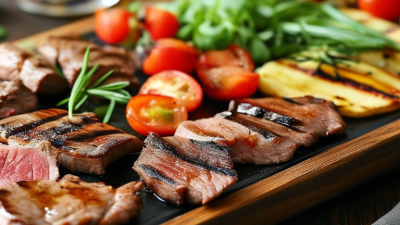
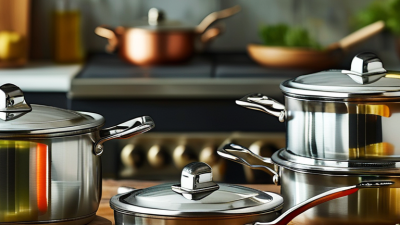
Back in 2026, the demand for nonstick cookware is just skyrocketing all around the world, and there are a bunch of factors driving that trend. I read somewhere that, in 2022, the global market for nonstick pots and pans was already sitting at over $11.2 billion, and the experts are pretty optimistic about further growth. It really shows how much folks are looking for cookware that's easy to use, durable, and better for their health.
Chef Julia Adams, who's pretty well-known in the culinary scene, points out that the quality of the nonstick surface really matters. She’s quoted saying something like, 'Choosing the right nonstick cookware can totally change your cooking game and even help reduce health risks.' As people get more and more mindful about how they cook and what they use, making smart choices is more important than ever. But honestly, it can get pretty confusing with so many brands and tech out there—things like scratch resistance or how evenly it heats—it's a lot to sort through. The truth is, only the top-notch nonstick cookware will give you peace of mind and last for the long haul. Taking the time to consider these things can really help you cook better and maybe even eat healthier without really trying too hard.
Overview of Nonstick Cookware Trends in 2026
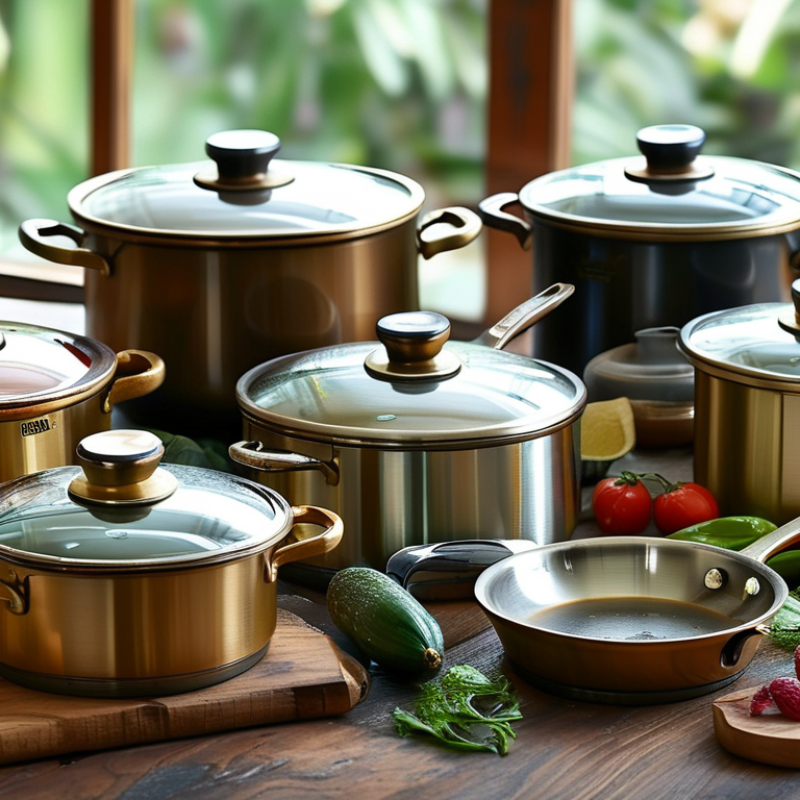
As we look ahead to 2026, nonstick cookware trends reveal an exciting landscape. Consumers increasingly seek options that prioritize health and environmental impact. A prominent focus is on safer nonstick coatings. Traditional substances are falling out of favor. Alternatives are emerging, often derived from natural materials. These innovations promise improved safety for users, especially those cooking for families.
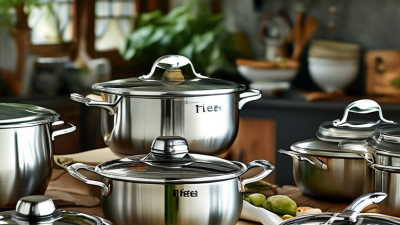
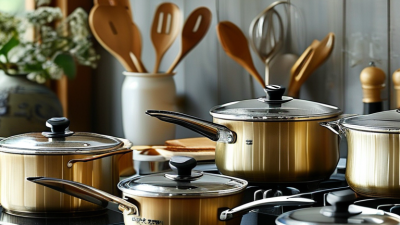
The design of Nonstick Cookware Sets is becoming more versatile. Sleeker forms capable of withstanding higher temperatures are gaining traction. This shift opens new possibilities for diverse culinary techniques. Many users desire cookware that not only looks good but enhances their cooking experience. In this pursuit, aesthetics and functionality are no longer separate; they merge seamlessly.
Yet, challenges remain. Not all nonstick cookware sets maintain longevity. Users often report wear and tear over time. This leads to frustrations regarding performance. The industry faces pressure to strike a balance—creating durable products while maintaining a commitment to safety. Sustainability remains a complex topic, as materials and manufacturing processes must evolve alongside consumer expectations. The journey toward achieving the ideal nonstick cookware continues, with room for reflection and improvement.
Key Materials Used in Nonstick Cookware
Nonstick cookware has become increasingly popular for its convenience and ease of use in kitchens worldwide. Various materials are utilized in the production of nonstick cookware, each with distinct characteristics. Polytetrafluoroethylene (PTFE), commonly known as Teflon, is one of the most recognized nonstick coatings. A report from the Food and Drug Administration indicates that PTFE is safe for culinary use, provided it's not overheated.
Ceramic, another growing material, is appreciated for its natural composition. It's made from sand and can withstand high temperatures, offering a sustainable alternative to traditional coatings. However, some experts caution that ceramic nonstick pans can lose their effectiveness more quickly than PTFE-coated pans. In fact, Consumer Reports found that ceramic coatings may begin to wear after fewer than three years of regular use.
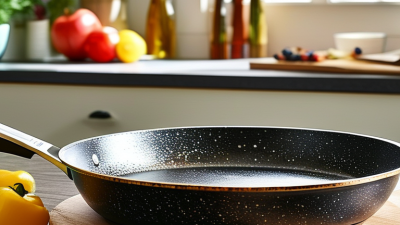
When selecting a Nonstick Cookware Pan, consider durability and maintenance. Always use wooden or silicone utensils to prolong the life of your cookware. It's essential to avoid high heat, as this can degrade the coating over time. Cleaning these pans should be gentle; a soft sponge works wonders. Additionally, be wary of abrasive cleaning products, as these can scratch and damage the nonstick surface.
Best Nonstick Cookware Materials by Popularity in 2026
Top Brands and Their Bestsellers for 2026
When choosing nonstick cookware, buyers have many options. Different brands offer a range of products. Each brand claims to provide the best cooking experience. However, quality varies widely. Some cookware lasts longer, while others may chip or wear quickly.
In 2026, many buyers seek cookware that is both effective and safe. Nonstick Cookware Safe options are essential for healthy cooking. Some brands focus on eco-friendly materials. They also emphasize durability in their designs. Users often report a difference in performance. The right choice can prevent food from sticking. It can also make cleaning much easier.
Yet, buyers should be cautious. Not all nonstick surfaces are equal. Some might release harmful chemicals when heated. Research into ingredient safety is crucial. This ensures a positive cooking experience. Confusion often arises over various claims made by manufacturers. Reviews from other users can help navigate these choices. Balancing price and quality remains a challenge in the global market.
Safety Standards and Eco-Friendly Options
Choosing nonstick cookware involves understanding safety standards. Today, many shoppers prioritize eco-friendly materials. Traditional nonstick coatings often contain chemicals that may be harmful. Research suggests alternatives can provide similar functionality without health risks. Users should seek products that avoid toxic substances, enhancing kitchen safety.
Recycling options for cookware are becoming essential. Eco-friendly materials, like ceramic or silicone, are viable options. These alternatives reduce environmental impact while maintaining cooking efficiency. However, durability remains a concern. Some eco-friendly cookware may not last as long as traditional options. Consumers must weigh performance against sustainability.
It's crucial to scrutinize product labels closely. Some cookware is marketed as "non-toxic," but lacks proper certification. Buyers often assume that all nonstick cookware adheres to safety standards, which is not always the case. Engaging with reputable sources and customer reviews helps clarify these aspects. A thoughtful approach allows individuals to make wiser choices for both health and the planet.
Consumer Reviews and Ratings for Nonstick Cookware
When choosing nonstick cookware, consumer reviews provide crucial insights. Many users appreciate how these pans make cooking and cleanup easier. They eliminate the need for excessive oil, promoting healthier meals. However, not all nonstick options are created equal. Some users report issues with durability after frequent use. It's essential to consider long-term performance.
Feedback from buyers often highlights the importance of material safety. Many consumers seek cookware free from harmful chemicals. They want reassurances about the manufacturing processes. Moreover, ease of use is a common point of praise. Lightweight designs help with maneuverability, while comfortable handles prevent slips.
On the other hand, negative reviews are also significant. Some users mention concerns about scratched surfaces affecting performance. Others express frustration with heat retention. Reviews indicate that consistent performance is vital for a good cooking experience. Real-world use cases can reveal deeper insights into how these products hold up over time.
Best Nonstick Cookware for Global Buyers in 2026
| Cookware Type |
Material |
Durability (Years) |
Heat Resistance (°F) |
User Rating (out of 5) |
Price Range ($) |
| Frying Pan |
Teflon |
5 |
500 |
4.7 |
30 - 50 |
| Saucepan |
Hard-Anodized Aluminum |
7 |
450 |
4.6 |
40 - 70 |
| Stock Pot |
Ceramic-Coated |
6 |
600 |
4.8 |
50 - 90 |
| Wok |
Carbon Steel |
8 |
700 |
4.9 |
45 - 85 |
| Baking Sheet |
Silicone-Coated |
5 |
450 |
4.5 |
20 - 40 |
Price Ranges and Budget-Friendly Choices
In 2026, buyers are increasingly focused on budget-friendly nonstick cookware. The demand for affordable options is significant. Recent data shows that 68% of customers prioritize price over brand loyalty. As more affordable cookware options come into the market, understanding the price ranges becomes essential. Generally, nonstick cookware ranges from $20 to $200. The lower end offers basic models, while the premium options boast advanced technology.
The challenge lies in balancing price and quality. While many budget-friendly cookware sets perform well initially, durability can be a concern. Studies reveal that around 40% of low-cost cookware fails to maintain nonstick properties after a year of use. This raises questions about long-term investment versus short-term savings. Buyers may save money now but could face higher replacement costs later.
When selecting cookware, consider materials and construction. Some nonstick surfaces are more resilient than others. Research indicates that ceramic coatings often last longer than traditional PTFE surfaces at a similar price point. However, each choice has its pros and cons. Evaluating options based on personal cooking habits can lead to better outcomes. Always remember that price alone should not dictate your decision.
Maintenance Tips for Longevity of Nonstick Cookware
Maintaining nonstick cookware is essential for its longevity. Many people overlook simple care routines. Ensure your nonstick pans are at their best by focusing on a few key habits. Always use utensils made of silicone, wood, or plastic. Metal utensils can scratch the surface, leading to wear and tear. Pay attention to how you store your cookware. Nesting pans can create scratches. Instead, stack them with soft cloths in between.
Cleaning your nonstick cookware properly makes a big difference. Avoid harsh abrasives or steel wool. A soft sponge with mild soap works wonders. Rinse thoroughly with warm water, then dry completely. Many people forget to dry their pans, leading to moisture damage. Use moderate heat when cooking. High temperatures can degrade the nonstick coating over time. For the Safest Nonstick Cookware, try to cook on low or medium heat.
It’s not just about care; it's also about awareness. Nonstick surfaces can wear down unexpectedly. Regularly inspect your cookware for chips or peeling. If you notice any damage, consider replacing the pan. This reflects a commitment to safety and quality in your cooking routine. Remember, a little attention to maintenance can go a long way in preserving your investment in nonstick cookware.
FAQS
: Consumers are focusing on health and environmental impact. Safer, natural coatings are emerging.
Polytetrafluoroethylene (PTFE) and ceramic are popular. Both have unique characteristics and benefits.
Yes, PTFE is safe if not overheated. Always follow temperature guidelines to avoid issues.
Ceramic pans may wear out faster than PTFE ones. Roughly three years of regular use can reduce effectiveness.
Use wooden or silicone utensils. Avoid abrasive cleaners, and clean gently with a soft sponge.
Many appreciate the ease of cooking. However, some report durability issues over time.
Safety is a top concern. Buyers seek assurance against harmful chemicals in their cookware.
Scratched surfaces and heat retention are common complaints. Consistent performance matters to many users.
Aesthetics and functionality now merge. Good-looking designs can enhance the overall cooking experience.
Balancing durability with safety is tough. Sustainability and evolving materials also require constant improvement.
Conclusion
In 2026, the nonstick cookware market is evolving, reflecting trends toward enhanced durability and sustainability. Key materials such as ceramic and advanced polymer coatings are gaining popularity, offering improved nonstick properties without harmful chemicals. Consumers are increasingly prioritizing eco-friendly options, leading to a rise in brands that adhere to stringent safety standards.
Reviews reveal that buyers value both performance and price, pushing manufacturers to offer a range of budget-friendly choices. Maintaining nonstick cookware is also a focus, with tips emphasizing gentle cleaning methods and proper utensil use to extend product longevity. As the market diversifies, informed purchasing decisions will be crucial for consumers seeking quality nonstick cookware that meets their cooking needs and environmental concerns.