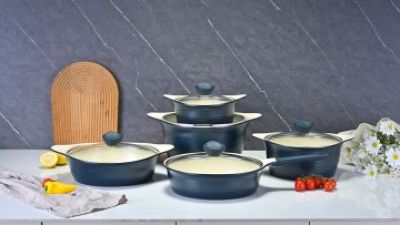
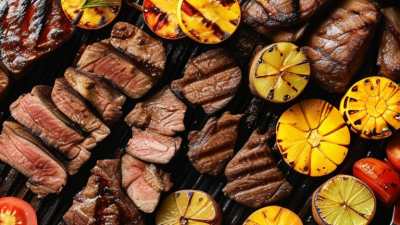
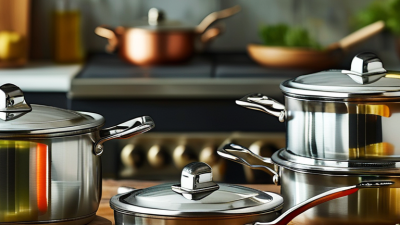
Picking the right OEM Nonstick Cookware is pretty important, whether you're just cooking at home or working like a pro. With so many brands out there, it’s easy to get overwhelmed, right? A good set of nonstick pots and pans can really change the game — making cooking less of a chore and actually kinda enjoyable. You've probably heard of brands like Teflon, Scanpan, and Cuisinart — they’ve built a solid reputation for toughness and performance. Their stuff usually stands out because it’s innovative and reliable in the kitchen.
That said, not all nonstick cookware is created equal. Some brands might claim to be the best, but in reality, they don’t always live up to the hype. Checking out reviews from other folks can help, but sometimes, they can be a bit misleading too. Take Zojirushi, for example—a Japanese brand known for using high-quality materials. Still, some users have said their pans end up flaking after a while. So yeah, it’s really worth doing your homework before diving in.
At the end of the day, the goal is to find OEM nonstick cookware that offers a good mix of quality and price. Look for manufacturers who have a solid track record — and don’t forget to check how transparent they are and how they treat their customers. While some options might seem perfect at first glance, you gotta consider your own needs too. Do a bit of research, weigh your options, and choose something that’ll serve you well for years to come. Cooking’s more fun when you have the right gear, after all!
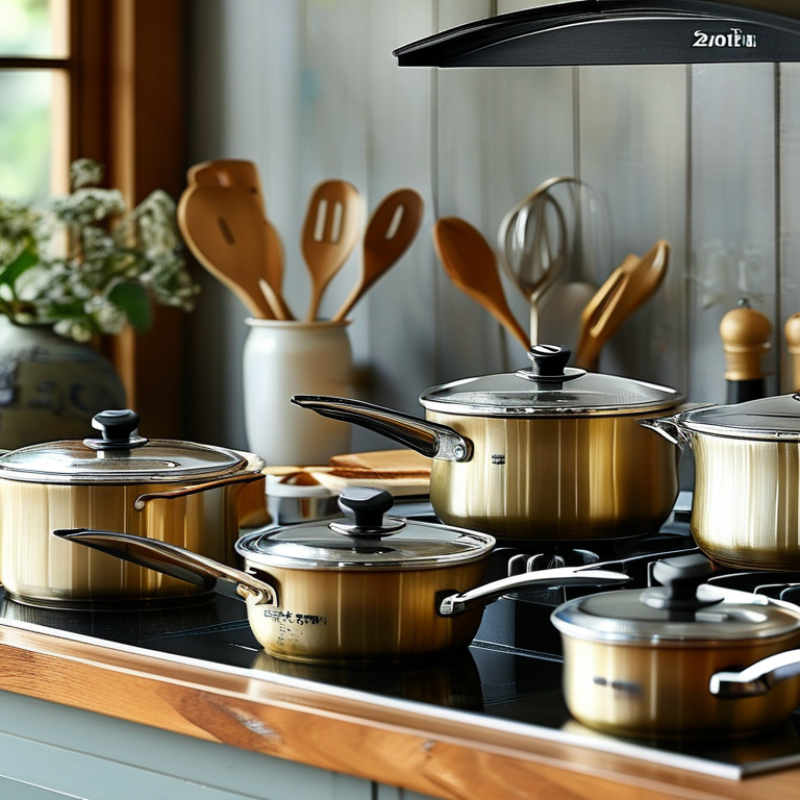
Overview of OEM Nonstick Cookware Market Trends
The OEM nonstick cookware market is evolving rapidly. Manufacturers focus on sustainability and consumer preferences. There’s a growing demand for eco-friendly materials. This trend reflects consumers' awareness of health and environmental issues. Brands that embrace this change can gain a competitive edge.
Many manufacturers explore advanced technologies to enhance nonstick coatings. These innovations improve durability and reduce harmful chemicals. Consumers are savvy; they seek reliable products. Offering transparency about materials can build trust. However, not all manufacturers maintain these standards. It's vital to research before purchasing.
Tips: Always check for product certifications. Research manufacturer practices for sustainability. Choose cookware that meets safety standards. This ensures you make informed decisions. Reliable products will not only last longer but also be safer for your family.
OEM Nonstick Cookware Market Trends
This bar chart illustrates the market share percentage of various materials used in OEM nonstick cookware manufacturing, showcasing the trends in consumer preferences over recent years.
Key Features to Look for in Nonstick Cookware
When choosing nonstick cookware, several key features should be considered. First, the coating is crucial. Look for durable, scratch-resistant surfaces. Some nonstick coatings lose their properties over time. It’s essential to select cookware that maintains its effectiveness even after repeated use.
Heat distribution is another vital aspect. Cookware that heats evenly prevents hot spots, enhancing cooking performance. Nonstick Pots with heavy bases often provide better stability and performance. Keep in mind that not all materials deliver consistent results. While lighter pans might seem convenient, they can warp easily and affect cooking efficiency.
Lastly, handle comfort and design are important. Ergonomically designed handles offer a safe grip, especially when the cookware is hot. Some handles may become loose with time. Prolonged use might reveal weaknesses in cheaper models. Investing in a reliable nonstick pot can greatly impact your cooking experience, leading to delicious meals with less frustration.
Top OEM Manufacturers and Their Product Offerings
When it comes to selecting OEM manufacturers for nonstick cookware, several key players stand out. These companies focus on quality materials and innovative designs. Their product offerings vary widely, providing options for every cooking need. Some specialize in frying pans, while others excel in crafting specialized tools like a Nonstick Crepe Pan. This diversity ensures that you can find the perfect item for your kitchen.
Top manufacturers often prioritize durability and easy cleaning. Their nonstick coatings aim to reduce the need for excessive oil. This means healthier cooking and simplified maintenance. Many of these manufacturers invest in research to enhance their products. However, there's always room for improvement. Some may struggle with coating longevity. This can lead to peeling over time, which is a vital consideration.
Sourcing from reputable OEMs helps ensure you receive quality products. It's important to consider factors like customer reviews and certification standards. Manufacturers that maintain good practices tend to deliver reliable cookware. Look for those who engage in transparent sourcing and production methods. Ultimately, prioritizing both function and safety is indispensable in your choice of nonstick cookware.
Quality and Safety Standards in Nonstick Cookware
When choosing nonstick cookware, safety and quality are paramount. Many manufacturers promote their products as safe, but not all adhere to stringent regulations. It's vital to examine certification and compliance with safety standards for nonstick materials. Manufacturers should provide transparent information about their coatings and processes, ensuring longevity and safety during cooking.
A Nonstick Grill Pan is an excellent choice for those seeking convenience and efficiency. However, not all grill pans are created equally. Some may contain harmful substances that can leach into food. The materials used in nonstick coatings, such as PTFE or ceramic, should meet health regulations. Investigating the manufacturing process can reveal potential risks.
Environmental factors also play a role in cookware safety. Consider how manufacturing impacts the environment as well. Not all nonstick cookware is eco-friendly. In exploring options, a balance between performance and safety is essential. A thoughtful approach to cookware selection can lead to healthier meals and safer kitchens.
Comparative Analysis of Nonstick Coating Technologies
When evaluating nonstick coating technologies, it’s vital to understand the various types and their performance. PTFE and ceramic coatings are two prominent options. PTFE, often known for its exceptional release properties, remains popular among chefs for its ease of use. However, concerns about its durability and potential degradation at high temperatures call for scrutiny. Reports indicate that PTFE coatings can last up to three years with proper care, but this longevity can vary significantly.
On the other hand, ceramic coatings present a more recent innovation, appealing to those seeking eco-friendly cookware options. These coatings are typically free from PTFE and PFOA, making them attractive to health-conscious consumers. However, their heat tolerance is often lower. Research shows that ceramic cookware may lose its nonstick properties faster than PTFE under heavy use, sometimes around two years for frequent cooking tasks involving Bbq Cookware.
Consumer insights reveal that no coating type is flawless. Both PTFE and ceramic have unique pros and cons. Users highlight that while nonstick surfaces simplify cooking and cleanup, they require careful usage to avoid scratching. The choice ultimately depends on cooking habits and preferences. Understanding these factors can empower consumers to make informed decisions when selecting the best OEM nonstick cookware for their needs.
What is the Best OEM Nonstick Cookware Manufacturers Guide? - Comparative Analysis of Nonstick Coating Technologies
| Coating Technology |
Durability |
Heat Resistance |
Safety Ratings |
Eco-Friendliness |
| PTFE (Teflon) |
Moderate |
Up to 260°C |
Food Safe |
Not Biodegradable |
| Ceramic |
High |
Up to 400°C |
No Toxic Chemicals |
Eco-Friendly |
| Anodized Aluminum |
Very High |
Up to 400°C |
Food Safe |
Not Biodegradable |
| Granite Coating |
High |
Up to 300°C |
Food Safe |
Eco-Friendly |
| Diamond Reinforced |
Very High |
Up to 260°C |
Food Safe |
Not Biodegradable |
Consumer Reviews and Ratings for Popular Nonstick Cookware
When exploring nonstick cookware, consumer reviews can provide valuable insights into the performance and reliability of various products. Many users appreciate the ease of cooking with nonstick surfaces. It reduces the need for excess oil, making meals healthier. However, not all cookware performs equally. Some surfaces wear down quickly or lose their nonstick properties after a few uses.
Many consumers report mixed experiences with durability. Some pans scratch easily, while others hold up well over time. It's essential to read through multiple reviews to gauge the long-term performance of a particular set. While some cookware may excel initially, longevity is often a key factor in overall satisfaction. Many people wish they had researched more before purchasing.
Feedback often highlights the importance of proper care. Users emphasize the need for gentle utensils and low to medium heat to prolong the life of nonstick coatings. Some products have a reputation for being difficult to clean. Reviews often mention this issue, stressing the importance of understanding care instructions. Gathering this information helps in making an informed decision before purchasing nonstick cookware.
Pricing Strategies and Value Considerations for OEM Cookware
Pricing strategies for OEM nonstick cookware are essential for manufacturers aiming to maintain competitiveness. The cookware market, projected to reach $20 billion by 2025, highlights the need for manufacturers to adopt effective pricing techniques. A well-researched pricing strategy not only covers production costs but also considers market demand and consumer preferences. Flexibility in pricing can adapt to fluctuations in raw material costs and shifts in consumer buying behavior.
Value considerations are crucial. Consumers often equate higher prices with better quality. Reports indicate that 65% of shoppers are willing to pay more for trusted nonstick cookware. However, balancing quality and cost is challenging. Some manufacturers may overestimate their product’s value, resulting in poor sales. Understanding the target demographic is key. Effective surveys and consumer feedback can inform pricing adjustments, ensuring aligned perceptions of value.
However, the landscape is not without its challenges. Price wars can undermine profitability. OEM manufacturers need to regularly evaluate their pricing strategies to avoid a race to the bottom. High-quality materials attract substantial investment. Manufacturers must reflect on their capability to sustain pricing while offering resilience against market variances. Regular reflection on pricing effectiveness can support long-term growth in this competitive sector.
Transform Your Cooking Experience with the Modern Gallery 9-Piece Cookware Set: A Comprehensive Review and Buying Guide
Transforming your cooking experience begins with the right tools, and the Modern Gallery 9-Piece Cookware Set is designed to elevate your culinary adventures. This set boasts a professional-grade quality that makes high-end cooking accessible to everyone. Crafted with durable aluminum and a ceramic nonstick surface, it ensures that your meals are cooked to perfection while allowing for easy cleanup. The combination of these materials not only enhances heat distribution but also provides lasting performance without the hefty price tag typically associated with premium cookware.
The comprehensive nature of this cookware set addresses all your cooking needs. Whether you’re searing meats, sautéing vegetables, or creating sauces, each piece is tailored to produce delicious results. With items ranging from skillets to saucepans, this set eliminates the stress of mismatched pieces and empowers you to explore a variety of techniques in the kitchen. The all-inclusive design and high-cost performance make it the ultimate choice for anyone looking to upgrade their ordinary home kitchen into a culinary haven, allowing you to focus more on your cooking rather than the equipment.
FAQS
: Look for durable, scratch-resistant coatings. These are essential for long-term effectiveness.
Even heat distribution prevents hot spots, enhancing overall cooking performance. It’s a key factor.
Lighter pans can warp easily. They may lead to inconsistent cooking results over time.
Ergonomic handles offer a safe grip. Some might weaken with use, leading to safety concerns.
Choose cookware with quality materials and good reviews. Cheaper models may not hold up over time.
Yes, proper cleaning reduces wear on coatings. Excessive oil use can also hinder nonstick effectiveness.
Some coatings may peel or deteriorate over time. This is vital to consider before a purchase.
Research customer reviews and check certification standards. Transparency in manufacturing is also important.
Conclusion
The article "What is the Best OEM Nonstick Cookware Manufacturers Guide?" provides a comprehensive overview of the current trends in the OEM nonstick cookware market, emphasizing the importance of key features to consider when selecting nonstick cookware. It highlights essential quality and safety standards that manufacturers are expected to meet, ensuring consumer confidence in their products.
Additionally, the guide presents a comparative analysis of various nonstick coating technologies, enabling consumers to understand the benefits and drawbacks of each option. Insights from consumer reviews and ratings are included, offering valuable feedback about popular nonstick cookware. Finally, the article explores pricing strategies and value considerations for OEM cookware, helping potential buyers make informed decisions based on both performance and affordability.