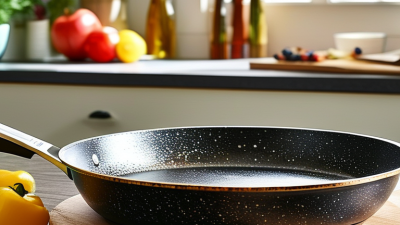
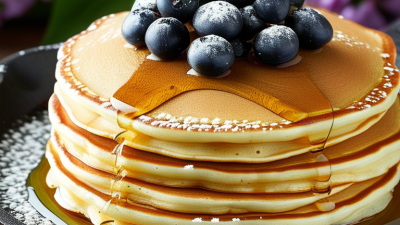
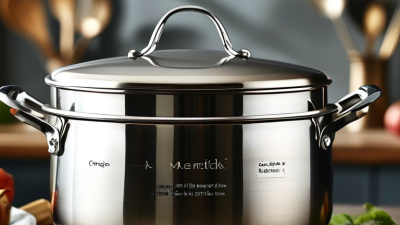
Picking out the right cooking tools can really make a difference in your time in the kitchen. For example, a Round Griddle Pan is a must-have, whether you're just starting out or you're a seasoned pro. Its wide, flat surface spreads heat evenly, giving you perfect results on a bunch of dishes—think pancakes, tortillas, stir-fries, you name it. That’s the beauty of a good Round Griddle Pan — it adapts to so many recipes.
That said, I know it can get a bit overwhelming trying to find the right one. So many brands out there, all claiming to be the best, but honestly, they’re not all equal. When you’re shopping around, pay attention to things like the material, the size, and how well it heats evenly. For example, cast iron pans hold onto heat like a champ, while non-stick ones make cleaning-up a breeze.
Think about your cooking style, too. Do you often cook for a big family? Maybe a larger pan would be more your speed. Or if you hate scrubbing pots and pans afterward, a non-stick option might be just what you need. Ultimately, finding the perfect Round Griddle Pan is about matching it to what works best for you and how you cook. So, take your time, compare a few options, and pick what feels right. Trust me, a little extra thought now will make your cooking easier and a lot more fun down the line.
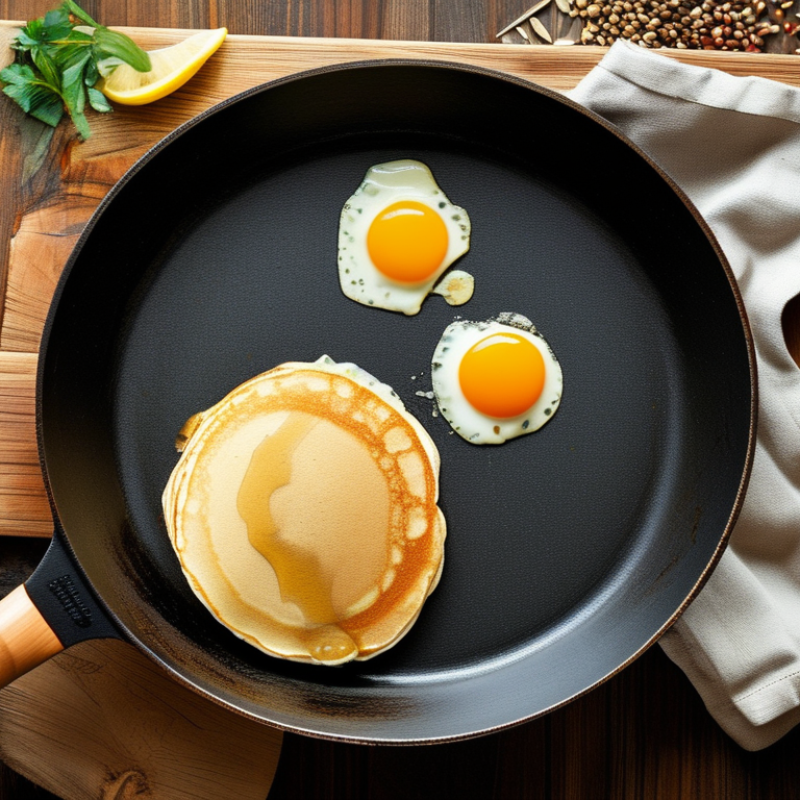
Understanding Round Griddle Pans: Types and Features
When choosing a round griddle pan, it’s important to understand the different types and features available. The material of the pan plays a crucial role in its performance.
Cast iron is known for its heat retention, making it great for searing meats. Non-stick surfaces, on the other hand, allow for easy food release, which is ideal for pancakes or eggs. Some users prefer stainless steel for its durability and even cooking, but it can be tricky to manage.
Another feature to consider is the size of the pan. Round griddles come in various diameters, typically ranging from 8 to 20 inches. A smaller pan is perfect for cooking single servings, while a larger one accommodates family meals.
Thickness also matters. Thicker pans tend to be heavier and can provide better heat distribution, but they may take longer to heat up.
Don’t overlook the handle design. Some griddle pans come with detachable handles for easy storage. Others feature ergonomic designs that provide a secure grip. Reflecting on the choice you make is essential. You might find that certain features work better for your cooking style, while others may not meet your expectations at all. Experimenting with various types can lead to better cooking experiences, even if it means dealing with a few mishaps along the way.
Key Materials Used in Round Griddle Pans and Their Benefits
When selecting a round griddle pan, understanding the key materials is crucial. Each material brings unique advantages to your cooking experience. Cast iron is popular due to its excellent heat retention. It tends to get better with age, but it requires regular seasoning to maintain quality. This might be a hassle for some. Stainless steel is another common choice. It offers a sleek look and is easy to clean. However, it may not distribute heat as evenly as cast iron.
Non-stick coatings are loved for their convenience. Foods release easily, making cleanup straightforward. Yet, these pans can scratch and wear over time. They may also limit the heat you can use. If you're not careful, you might end up with peeling coatings. A good Griddle Pan Round should balance these materials based on your cooking style. Think about how often you cook, and what types of dishes you prepare. Each material has its pros and cons, and it's important to evaluate them according to your needs.
Size and Thickness: How to Choose the Right Dimensions for Your Needs
Choosing the right size and thickness for a round griddle pan is essential for achieving optimal cooking results.
A pan that is too small may restrict your cooking surface, leading to uneven heat distribution.
Consider your typical cooking tasks. Are you making breakfast for the entire family or just a quick meal for yourself?
Larger pans, around 12 to 14 inches, work well for multiple servings. For smaller portions, an 8 to 10-inch pan may suffice.
Thickness also plays a crucial role in your cooking experience. Thicker pans tend to hold heat better, providing consistent cooking temperatures.
However, they can be heavier and more challenging to handle.
A pan between 3 to 5 millimeters can strike a good balance between weight and heat retention.
Reflect on what feels comfortable for you. A heavier griddle may be durable, but it might also be inconvenient to maneuver.
Finally, think about your storage space. A large, thick griddle pan takes up significant kitchen real estate.
If space is limited, choosing a more compact option might be wise. Not all griddles are easy to store.
Consider how often you cook and your storage capabilities. This not only aids in your cooking routine but also keeps your kitchen organized.
Non-Stick Coatings: Types and Their Impact on Cooking Performance
When selecting a round griddle pan, the type of non-stick coating plays a crucial role in cooking performance. Different coatings offer varying benefits. For example, traditional Teflon provides excellent food release but may wear out quickly at high temperatures. Ceramic coatings are gaining popularity due to their heat resistance and eco-friendliness, yet they can be sensitive to metal utensils.
The durability of non-stick coatings affects how the pan performs over time. Some coatings may chip or degrade, resulting in uneven cooking. A Round Pancake Griddle with a sturdy coating allows for beautifully even pancakes. But beware, even the best coatings require care. Using the right utensils can prolong their life. Scratches can significantly impact cooking performance.
Consider the texture of the cooking surface too. A smooth surface often results in a better flip, while a textured one may hold onto food more. This could lead to frustration when cooking. Choosing the right round griddle pan is about balancing these factors for your cooking style. Reflect on your habits and needs to make the best choice.
Compatibility with Heat Sources: Electric, Induction, and Gas Stoves
When selecting a round griddle pan, compatibility with your heat source is crucial. Electric stoves generally provide consistent heat, perfect for cooking pancakes and crepes uniformly. However, they can sometimes lead to hot spots that may burn food. Induction stoves, on the other hand, offer precise temperature control and quick heating. Not all griddle pans work on induction, so it's essential to check for magnetic properties.
Gas stoves allow for more flexibility in heat control. They give instant response to temperature changes, which is beneficial for foods that require precise cooking times. Yet, they can also lead to uneven heating if the pan isn’t properly centered. Look for a pan with a thick bottom to help distribute heat evenly, regardless of your stove type.
Remember that your choice of a round griddle pan affects cooking performance. Consider testing different pans to find one that suits your cooking style. Sometimes, a less popular option might surprise you with its efficiency. It’s about finding the right balance between functionality and your unique cooking needs.
Care and Maintenance Tips for Longevity of Your Griddle Pan
A well-maintained round griddle pan can elevate your cooking experience. Proper care ensures its longevity and performance. Start with cleaning. After each use, rinse the pan with warm water. Avoid harsh detergents. They can strip the natural seasoning. A gentle sponge works wonders. Dry your pan immediately to prevent rust.
Maintenance is crucial. Season your griddle pan regularly. A thin layer of oil helps maintain the non-stick surface. Heat the pan on low for a few minutes after applying oil. This practice ensures the Round Pan Cake turns out perfectly every time. Store your griddle in a dry place to avoid moisture damage. Use a paper towel to cover the cooking surface, preventing scratches.
Inspect your griddle for any signs of wear. A chipped surface can ruin your cooking. If you notice damage, consider re-seasoning or replacing the pan. Cooking with care is as important as the ingredients themselves. Remember, each round pan cake is a reflection of your attention to detail. Be mindful of how you treat your kitchen tools.
How to Choose the Best Round Griddle Pan for Perfect Cooking? - Care and Maintenance Tips for Longevity of Your Griddle Pan
| Dimension |
Material |
Heat Source Compatibility |
Weight |
Care Instructions |
| 10 inches |
Cast Iron |
Gas, Electric, Induction |
4 lbs |
Season with oil, hand wash only |
| 12 inches |
Non-Stick Aluminum |
Gas, Electric |
3 lbs |
Wash with soft sponge, avoid metal utensils |
| 14 inches |
Stainless Steel |
Gas, Electric, Induction |
5 lbs |
Dishwasher safe, dry immediately |
| 16 inches |
Ceramic |
Gas, Electric |
4.5 lbs |
Do not use high heat, hand wash |
Assessing Price vs. Quality: Finding the Best Value in Round Griddles
When selecting a round griddle pan, price and quality are key factors. The right balance can maximize your cooking experience. According to recent industry reports, consumers are increasingly seeking durable cookware that offers both functionality and affordability. A mid-range Round Pizza Pan typically averages between $30 and $50, reflecting a solid choice for most home chefs.
Before purchasing, consider the material. Nonstick surfaces can be quite effective, but they may wear out faster. Cast iron provides durability and excellent heat retention, yet it often requires more maintenance. The choice ultimately depends on your cooking style and preferences. That said, a truly versatile round griddle pan may come at a higher price, which can be worth the investment if it enhances your cuisine.
Tips: Always read user reviews on the product. Look for experiences that resonate with your cooking habits. Check for warranty details, as they can sometimes indicate the manufacturer's confidence in the product. Don't forget to consider the pan's compatibility with your stovetop, especially if you have an induction cooktop. Ultimately, the best round griddle pan should not only meet your budget but also cater to your cooking needs effectively.
Price vs. Quality Assessment of Round Griddle Pans
This chart compares different round griddle pans based on their quality scores, prices, and durability factors. Griddle A offers the best quality at a higher price, while Griddle B is more affordable but provides lower quality and durability. Griddle C strikes a balance between both quality and price.
FAQS
: Common materials include cast iron, stainless steel, and non-stick coatings. Each has its unique benefits.
Cast iron retains heat well and improves with age. Regular seasoning is needed, which may be inconvenient.
Stainless steel has a sleek look and is easy to clean. It may not heat as evenly as cast iron.
Non-stick coatings scratch and wear over time. They can limit cooking temperatures and may peel if mishandled.
Use suitable utensils to avoid scratches. Careful cooking and cleaning extend their lifespan.
Rinse it with warm water, avoiding harsh detergents. Dry it immediately to prevent rust.
Regularly season it with oil. Heat it on low after applying oil for a non-stick surface.
Store it in a dry place to avoid moisture damage. Cover the cooking surface with a paper towel.
A chipped surface can negatively impact cooking. If damaged, consider re-seasoning or replacing it.
Texture affects food release. Smooth surfaces allow better flipping, while textured ones can be frustrating.
Conclusion
When selecting the best round griddle pan, understanding the various types and features available is crucial. These pans come in different materials, each offering unique benefits such as heat retention and non-stick properties. The right size and thickness depend on individual cooking needs, while the choice of non-stick coating can significantly influence cooking performance and ease of cleaning.
Additionally, compatibility with different heat sources, including electric, induction, and gas stoves, is an essential factor to consider for optimal cooking. Regular care and maintenance will ensure the longevity of your round griddle pan. Lastly, balancing price with quality is key to finding the best value, ensuring that you invest in a product that enhances your cooking experience without breaking the bank.