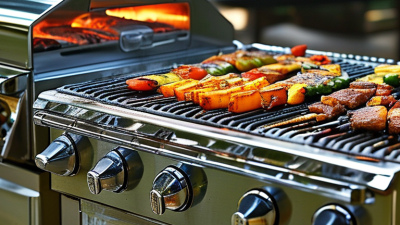
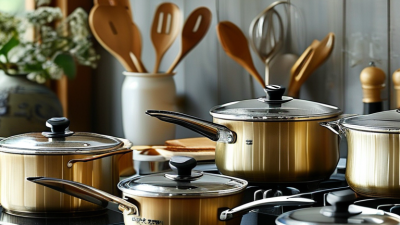
Picking out the perfect non-stick grill can really level up your cooking game. Did you know that, according to the National Association of Home Cooks, about 75% of folks who cook at home prefer grills with non-stick surfaces? Makes sense — they're just so much easier to use and clean up afterward. Plus, a good non-stick grill doesn't just save you time; it usually distributes heat more evenly, so your food turns out perfectly cooked all around.
That said, not all non-stick surfaces are built the same. Some cheaper options might chip, peel, or wear out pretty quickly — and that could even be a safety issue. Big names like Cuisinart and George Foreman tend to be more reliable, especially since they come with safety certifications and are known for sticking around. Also, keep an eye on how heat-resistant the grill is. If it can’t handle high temperatures, you might end up with uneven cooking or faster wear and tear.
Choosing the right non-stick grill really depends on your cooking style and what you need. Think about size, material, and how it’s designed. Are you someone who grills all the time? Do you usually cook for a big family? Getting a feel for your habits will help you pick something that works perfectly with your culinary vibe, so your new grill becomes your best kitchen buddy.
Understanding Non-Stick Grill Material Options and Their Benefits
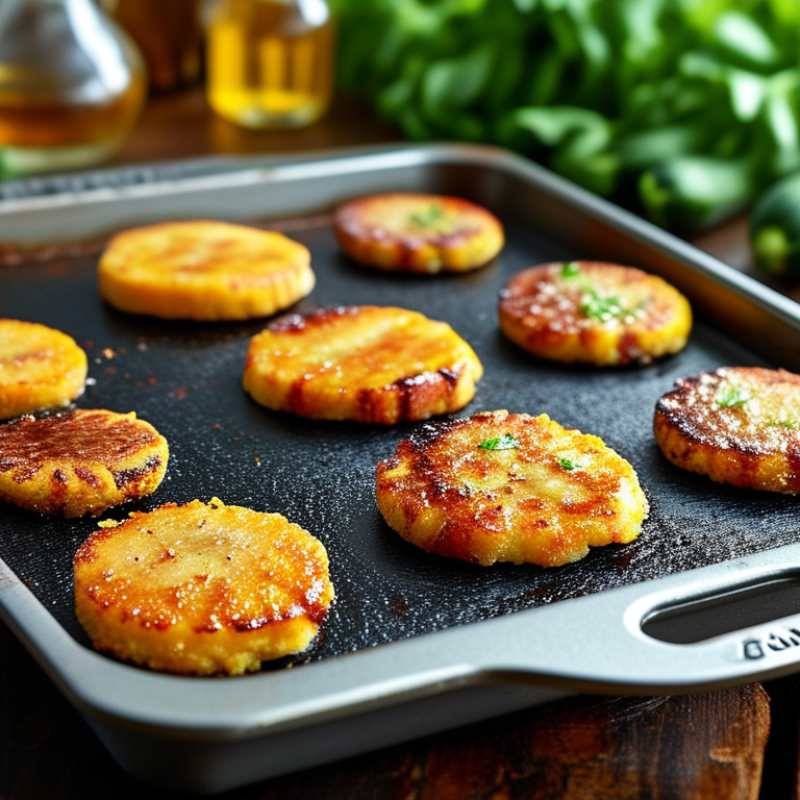
When choosing a non-stick grill, consider the materials. Common options include ceramic, Teflon, and cast iron. Each material has unique benefits. For example, ceramic offers excellent heat retention and is generally safer for health concerns. It can withstand high temperatures without releasing harmful chemicals. On the other hand, Teflon provides a truly non-stick surface, making cooking and cleaning easier.
Cast iron is a classic choice, though not inherently non-stick. Its surface can become easier to use as it’s seasoned over time. It retains heat very well, but it requires more maintenance to prevent rust. Think about what aspects matter for your cooking style. Would you prefer easy cleaning, or are you willing to invest time in seasoning for better flavor?
When making your decision, think about your cooking habits. Regular griller? You might need a durable option that can handle high temperatures. If you grill occasionally, lightweight materials may serve your needs just fine.
Pay attention to the coating and check for durability claims. Not all non-stick grills are created equally; some may wear out faster. Researching user reviews can help unveil potential issues. Cooking is an art that requires the right tools. Choosing the right grill can enhance your culinary experience significantly.
Key Features to Look for in a Non-Stick Grill
When selecting a non-stick grill, several key features can enhance your cooking experience. Look for durable materials that guarantee longevity. A heavy-duty non-stick surface is essential. It ensures even heat distribution, preventing food from sticking and making cleanup effortless. Consider options with a high temperature tolerance. You want a grill that can withstand various cooking methods without compromising its non-stick capability.
Another important feature is size. The grill should fit your cooking space and meet your meal preparation needs. A compact non-stick pan grill is great for small kitchens. However, larger models are ideal for families or entertaining guests. Additionally, examine the handle design. Ergonomic, heat-resistant handles ensure safety during cooking.
Lastly, an easy-to-clean surface is critical. Non-stick coatings may require special treatment. Use gentle sponges to maintain the coating. Reflect on your cooking habits, too. Do you often grill meats, vegetables, or both? Different cooking styles may require varied grill sizes and shapes. Evaluate your needs carefully to choose the best non-stick grill that fits your life.
Size and Cooking Surface Considerations for Your Needs
Choosing the right size and cooking surface for a Non Stick Grill Pan is essential for maximizing your culinary experience. Larger surfaces provide ample room for cooking multiple items at once, making them ideal for gathering. A study by the American Culinary Federation indicates that pans with at least 10 to 12 inches in diameter enhance cooking efficiency by allowing more heat distribution and quicker meal preparation. Smaller pans may suffice for single servings but often lead to uneven cooking.
Considering your cooking needs, it’s crucial to evaluate kitchen storage and available space. Compact models may fit well in small kitchens but could limit your cooking capabilities. A report from the National Kitchen and Bath Association suggests that 60% of home cooks prefer larger grills for versatile meal prep. However, not all users utilize the full space; inefficiencies arise when cooks prepare for smaller groups consistently. Reflecting on your cooking habits can lead to better choices.
The material and construction of the Non Stick Grill Pan also impact surface considerations. Heavier materials often provide even heat distribution, while lighter pans can lead to hot spots. According to research from the Food Safety and Inspection Service, unevenly cooked food can cause foodborne illnesses and other cooking challenges. Understanding these dynamics is vital for any home cook aiming for safe and enjoyable meals.
Non-Stick Grill Size and Cooking Surface Preferences
Types of Non-Stick Coatings: What You Should Know
When choosing a Non Stick Grill Plate, understanding the types of non-stick coatings is vital. There are several common types, including Teflon, ceramic, and anodized aluminum. Data shows that Teflon, a popular option, is effective for high-heat cooking. However, users need to be aware of its limitations. Overheating can cause the coating to degrade, potentially releasing harmful chemicals. This concern has led many to explore alternative options.
Ceramic coatings have gained traction due to their perceived safety. Studies suggest that they are more scratch-resistant and can withstand higher temperatures compared to Teflon. However, the longevity of ceramic coatings varies significantly. Reports indicate that they can wear down faster, particularly with use of metal utensils. Buyers should consider these factors when selecting their Non Stick Grill Plate.
Anodized aluminum is another option, known for its sturdiness and resistance to corrosion. The non-reactive surface makes it a preferable choice for acidic foods. Yet, it may not offer the same easy release as other coatings. Ultimately, the best choice depends on personal cooking habits. Each type has its strengths and weaknesses that require thoughtful reflection.
Maintenance and Care Tips for Long-Lasting Performance
Maintenance and care are crucial for the longevity of your non-stick grill. Proper use can ensure that the surface remains intact and functional. According to culinary experts, misuse leads to damaged coatings, which can cause food to stick and reduce performance. Surveys reveal that almost 30% of users experience peeling or chipping within the first year due to improper care.
One essential practice is to always use silicone or wooden utensils with your Induction Non-Stick Grill Pan. Metal utensils can scratch the surface, leading to premature wear. Cleaning should also be approached with caution. Avoid abrasive scrubbers; instead, use soft sponges and warm soapy water. Experts recommend a gentle wash after each use to prevent residue build-up.
Lastly, remember to avoid high heat settings. Many non-stick surfaces can degrade at extreme temperatures, leading to a loss of effectiveness. Keeping your grill pan on medium to low heat ensures a longer life. Regular inspections of your grill for any signs of wear can also save you from costly replacements. Taking these steps can significantly improve your cooking experience while preserving the quality of your equipment.
Safety Considerations When Choosing a Non-Stick Grill
When selecting a non-stick grill, safety should be paramount. Many consumers overlook potential hazards associated with non-stick coatings. Recent studies indicate that some non-stick materials can release harmful chemicals when overheated. A report from the Environmental Protection Agency estimates that frequent exposure to these chemicals could lead to long-term health issues. Thus, understanding the materials used is crucial.
Look for grills made with PFOA-free non-stick coatings. PFOA, or perfluorooctanoic acid, is a substance linked to various health risks. The World Health Organization has categorized it as possibly carcinogenic. Reliable manufacturers often publish test results showing the safety of their products. Utilizing third-party certifications can also provide peace of mind regarding safety standards.
Consumer awareness is growing around these issues. A survey conducted by a leading marketplace found that 70% of respondents consider the safety of non-stick surfaces essential. However, many still buy based on convenience or price rather than safety ratings. This suggests a gap in consumer education. Evaluating grilling options critically can lead to healthier choices and safer cooking experiences.
Top Brands and Models Recommended by Cooking Experts
When it comes to selecting a non-stick grill, it's essential to know which brands hold the highest acclaim among culinary professionals. Many experts emphasize the durability and heat retention of certain models. These characteristics greatly influence the grilling experience. Non-stick coatings vary widely, so picking one backed by reliable research is crucial.
Moreover, the ease of cleaning is a critical factor. A well-designed grill should allow for quick maintenance after cooking. Many experts recommend models with thick bases that distribute heat evenly. This feature prevents hot spots and enhances flavor. It's common for users to experience issues with food sticking to the surface, leading to frustration. Therefore, opting for a grill known for its reliable non-stick capabilities can make a big difference.
Lastly, consider ergonomics and safety features, which enhance usability. Handles that remain cool during cooking are essential for safe grilling. Many users overlook this detail until it becomes a problem. An in-depth comparison of user reviews may reveal recurring issues like wear of the coating after prolonged use. Evaluating feedback can offer insights into the grill's long-term performance.
How to Choose the Best Non Stick Grill for Your Cooking Needs? - Top Brands and Models Recommended by Cooking Experts
| Model |
Material |
Size (inches) |
Heat Source |
Price (USD) |
User Rating (out of 5) |
| Model A |
Ceramic |
12 |
Electric |
89.99 |
4.5 |
| Model B |
Titanium |
16 |
Gas |
109.99 |
4.7 |
| Model C |
Cast Iron |
14 |
Charcoal |
119.99 |
4.8 |
| Model D |
Stainless Steel |
20 |
Induction |
149.99 |
4.6 |
| Model E |
Non-Stick Coating |
18 |
Electric |
79.99 |
4.3 |
FAQS
: Common materials include ceramic, Teflon, and cast iron. Each brings unique benefits to cooking.
Ceramic grills retain heat well and are generally safer. They can withstand high temperatures without harmful chemicals.
Teflon provides a truly non-stick surface, making both cooking and cleaning easier for users.
Cast iron isn't inherently non-stick. It needs seasoning over time for easier use and better flavor.
Larger grills allow for more cooking space. It enables better heat distribution for quicker meal preparation.
Yes, compact models save space, but they may limit cooking capabilities. Reflecting on your needs helps in making choices.
Teflon is popular but has overheating risks. Ceramic is safer but may wear down faster with metal utensils.
Uneven cooking can lead to foodborne illnesses. Heavier materials often provide better heat distribution.
Regular grillers may prefer durable options, while occasional users might opt for lightweight materials instead.
Consider your cooking habits, the size you need, and how comfortable you are maintaining the grill material.
Conclusion
Choosing the right Non Stick Grill involves understanding the various materials and their benefits, such as durability and heat distribution. It's essential to consider key features, including the grilling surface area and the types of non-stick coatings available, as they greatly influence cooking performance. Additionally, evaluating the grill size in relation to your cooking needs ensures you have adequate space for your meals.
Maintenance plays a crucial role in the longevity of your Non Stick Grill. Proper care, including cleaning and storage tips, can enhance its performance over time. Moreover, safety considerations, such as the presence of harmful chemicals in non-stick coatings, should guide your selection process. Overall, being informed about the different options will help you make the best decision for your cooking needs, ensuring you enjoy delicious grilled meals with ease.