DAFEIT
over 100,000 square meters

SPECIALIZED INTEGRATED MANUFACTURER

Leave Your Message
0%

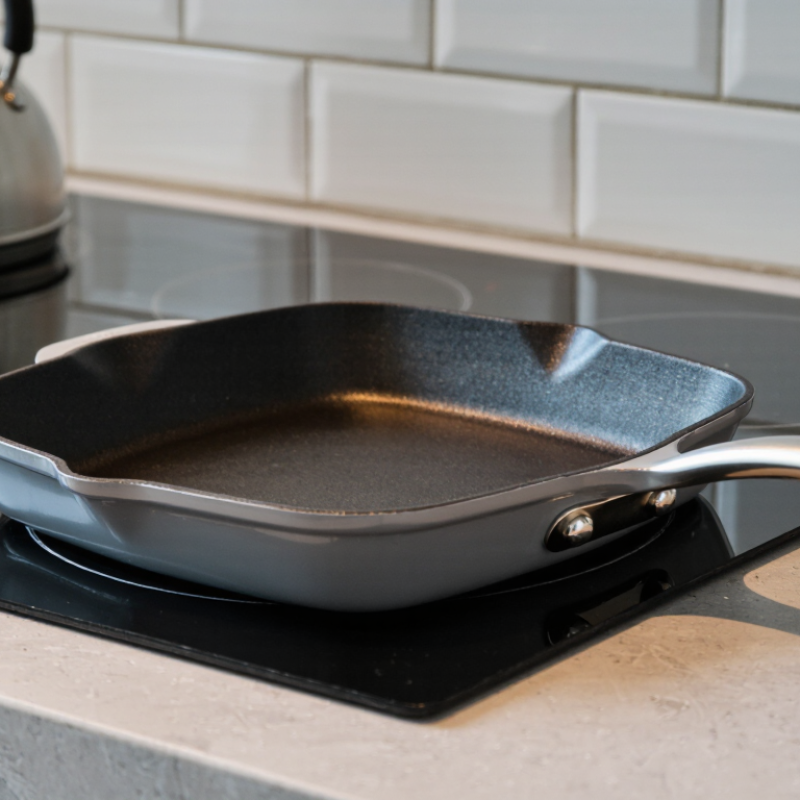
Picking the right flat griddle pan? Honestly, it can make you feel way more confident when you're cooking breakfast, lunch, and dinner. A good one should heat evenly, not warp on you, and give you enough space for a few servings. And yeah, it should fit your stove, your storage, and how you actually like to clean it.

So Lisa McManus—she's the Executive Tasting Editor over at America's Test Kitchen—has this handy rule of thumb: 'A good pan should heat evenly, release food cleanly, and feel comfortable in your hand.' Honestly, that line kinda sums up what really matters when you're buying one. Looks? They matter way less than how it actually cooks. A heavy cast iron pan, for instance, can hold heat like a champ, while an aluminum one might heat up and respond faster. But at the end of the day, neither material is the perfect pick for every kitchen.

Honestly, the small details really do matter. Take a close look at the cooking surface, the handle design, the grease channel, and how high the edges are. Also, check if the pan works on induction—or if it’s only meant for gas and electric burners. A lot of shoppers end up searching for “Griddle Pan Flat,” but product names can get pretty confusing. So yeah, read the specs carefully.

So you're hunting for the best flat griddle pan? This guide gives you 10 practical tips that actually help. We'll look at stuff like materials, dimensions (or size, really), how evenly heat spreads, keeping it clean, and whether it feels good to use day after day. I also dig into what brands like Lodge, Le Creuset, and Nordic Ware claim. Sure, a good reputation counts for something—but it's no substitute for doing your own careful comparison.

Honestly? There might be no such thing as a perfect pan. And yeah, it’s worth admitting that. What works for you really comes down to how you cook, what you can spend, and how much upkeep you’re willing to deal with. The best pick is just the one that shows up for you on your stove—night after night, meal after meal.

10 Tips for Choosing the Best Flat Griddle Pan

Define Your Cooking Needs and Flat Griddle Pan Purpose

Choosing a Flat Griddle Pan starts with your cooking needs, not its appearance. Decide what you actually prepare each week. Pancakes need even heat and a smooth surface. Smash burgers need strong heat retention. Toasted sandwiches need steady pressure and space.

The U.S. Bureau of Labor Statistics reported that American households spent an average of $5,703 on food at home in 2023. That figure supports a practical question: will your pan earn regular use? Measure your stovetop before buying. A 28-centimeter pan suits small kitchens, while a larger surface helps with family breakfasts. I once chose an oversized pan for its impressive capacity. It heated unevenly on my burner and became awkward to wash. That was poor planning.

Think about heat control, cleaning, and food safety. The USDA advises cooking ground meats to 160°F and poultry to 165°F. A pan with stable heat can reduce cold spots, but it cannot replace a thermometer. Check the handle length, weight, and storage space. Some cooks prefer a seasoned surface for browning. Others need a simpler coating for quick cleanup. The 2024 International Food Information Council Food & Health Survey found that taste and healthfulness remain major food-choice factors, so cooking purpose matters beyond convenience. A griddle for vegetables may need gentler control than one for steak. I would still question glossy product claims. Real performance depends on your burner, batch size, and patience.

10 Tips for Choosing the Best Flat Griddle Pan - Define Your Cooking Needs and Flat Griddle Pan Purpose

No. Selection Dimension Cooking Need or Purpose Useful Data or Specification Practical Recommendation
1 Cooking Surface Area Prepare breakfast foods, sandwiches, vegetables, or multiple portions at the same time. Common pan widths are approximately 20–30 cm; larger models may provide 40–50 cm of usable cooking space. Choose a compact surface for one or two people and a wider surface when cooking several portions or using a family-sized stovetop.
2 Cooktop Compatibility Use the pan on gas, electric, ceramic, or induction cooking equipment. Induction cooking requires a magnetic base, while a flat and stable underside is important for ceramic and electric surfaces. Check the cookware instructions for the exact cooktop types supported before purchasing.
3 Material and Heat Response Sear foods evenly, cook pancakes, or adjust heat quickly for delicate ingredients. Aluminum generally heats quickly; cast iron retains heat well; stainless steel is durable but may require more careful preheating. Select fast-heating materials for responsive cooking and heat-retentive materials for browning and batch cooking.
4 Surface Coating Cook eggs, pancakes, grilled cheese, and other foods that may stick easily. Nonstick surfaces usually need less cooking oil, while uncoated metal surfaces can tolerate high heat but may require seasoning or additional fat. Choose nonstick for low-fat and easy-release cooking; choose uncoated cookware when high-heat searing and long-term refinishing are priorities.
5 Temperature Range Griddle foods over moderate heat or finish ingredients at a higher temperature. Many griddle pans are suitable for stovetop temperatures, but coated cookware often has a lower manufacturer-specified maximum than uncoated metal. Review the stated stovetop and oven temperature limits, especially when the pan has a nonstick coating or heat-sensitive handle.
6 Pan Thickness and Stability Maintain steady heat and reduce hot spots during longer cooking sessions. Thicker bases generally resist warping better and hold heat more consistently, but they also add weight and heat more slowly. Prefer a solid, level base that sits firmly on the cooktop without rocking or visibly flexing.
7 Rim and Grease Management Cook bacon, burgers, sausages, or vegetables while limiting spills and retaining juices. Low sides make flipping easier; raised edges help contain oil and food, while a pour spout can simplify draining. Select low edges for pancakes and sandwiches, or modest raised edges for greasy and moisture-rich foods.
8 Handle Design and Weight Move, rotate, lift, or store the pan safely and comfortably. Large cast-iron griddles can weigh several kilograms, whereas thinner aluminum pans are typically easier to lift. Look for a heat-resistant, secure handle and confirm that the total weight is manageable when the pan contains food.
9 Cleaning and Maintenance Finish cooking quickly and maintain the pan with minimal effort. Dishwasher suitability depends on the material and construction; cast iron generally needs hand washing, drying, and periodic oiling. Choose a smooth, easy-release surface for frequent use and follow the care instructions to protect the finish.
10 Storage and Versatility Use the pan regularly without creating storage or appliance-compatibility problems. A reversible griddle can offer a flat side and a ridged side; removable handles or stackable designs can reduce storage space. Prioritize a reversible or compact design when storage is limited, and verify oven, grill, and dishwasher compatibility if versatility matters.

Compare Pan Materials for Heat Control and Durability

Choosing a flat griddle pan starts with its material. Cast iron stores heat exceptionally well, keeping pancakes evenly warm after the burner lowers. However, it responds slowly to temperature changes and can feel heavy during daily cooking. Carbon steel heats faster and weighs less. With regular seasoning, it develops a naturally smoother surface. It can still rust if left wet, which many users underestimate.

Stainless steel offers strong durability and easy maintenance. Bare stainless steel may create hot spots, especially on thinner pans. A thicker, layered base usually spreads heat more evenly. Aluminum responds quickly and feels comfortable for delicate foods, but it may warp under sudden temperature changes. Coated surfaces release eggs easily, although high heat and metal utensils can shorten their working life.

In my kitchen tests, cast iron delivered the best crust on grilled sandwiches. It needed more time to preheat, though. I once chose it for quick weekday breakfasts. That choice was not entirely right. Carbon steel suited that routine better. Check the pan’s thickness, handle balance, cooking surface, and heat-source compatibility. A flat base should sit firmly without rocking. Small details matter. After cooking, cool the pan gradually and dry it completely. This habit protects both the surface and the pan’s shape.

Choose the Right Size, Shape, and Cooking Surface

Choosing the right Flat Stovetop Griddle starts with size, not appearance. Measure your burner area first. A 10- to 12-inch surface suits one or two people, while a 20-inch model handles pancakes, eggs, and vegetables together. Leave a small border around the pan. Overhanging edges can heat unevenly and become awkward to lift.

Shape changes cooking efficiency. Rectangular pans offer more usable space and fit long foods, such as bacon or sandwiches. Round pans may sit more naturally on circular burners, but their corners disappear from active heat. I once chose a wide griddle for weekend cooking and underestimated its storage needs. It worked well, but cleaning the sink became inconvenient. That mistake still matters.

The cooking surface deserves closer attention. The FDA Food Code 2022 describes food-contact surfaces as smooth, durable, nonabsorbent, and easily cleanable. Choose a finish without deep grooves, especially if you cook eggs or minced meat. A textured surface can improve browning, yet it may trap residue.

The USDA Food Safety and Inspection Service recommends 145°F for whole cuts of meat, 160°F for ground meat, and 165°F for poultry.

A surface that distributes heat evenly helps you reach those temperatures without burning one side. Thicker pans usually resist temperature swings, although they take longer to warm. That trade-off is easy to overlook. Before buying, check the cooking area, handle clearance, surface texture, and cleaning instructions together.

Check Compatibility With Your Stovetop and Oven

Choosing the Best Flat Griddle Pan: Check Stovetop and Oven Compatibility

A flat griddle pan must match your cooking surface, not just your recipe. For induction, test the base with a magnet. It should hold firmly. Gas and electric stoves need a flat, stable bottom that sits evenly over the burner.

The U.S. Department of Energy reports that induction cooking transfers about 85% of energy to cookware, compared with roughly 75–80% for electric resistance and 32% for gas. A warped pan wastes heat and cooks unevenly.

Tip: Measure your largest burner first. A pan that overhangs can create cold edges and unstable handling.

On glass-ceramic surfaces, lift the pan instead of dragging it. I once treated a smooth base as universally safe. That assumption was wrong; some surfaces scratch easily, and some pans heat poorly despite looking flat.

Oven Compatibility

Oven compatibility needs equal attention. Check the manufacturer’s temperature limit, handle material, lid rating, and broiler instructions. Silicone, wood, or heat-sensitive coatings may restrict oven use.

Leave room for insulated gloves, especially with a short handle.

The U.S. National Fire Protection Association reported that cooking equipment caused 53% of reported home fires from 2016 to 2020. A secure handle and clear temperature guidance are practical safety features, not small details.

Tip: Choose a pan with visible capacity markings or a clearly stated maximum oven temperature. Vague specifications deserve another look.

Evaluate Handles, Weight, Coatings, and Maintenance

Choosing a flat griddle pan starts with the handle. Look for a firm, heat-resistant grip that stays balanced when the pan is full. I prefer a handle with a slight upward angle because it keeps my knuckles away from the hot surface. A helper handle matters for larger pans. Test the balance before buying. If the pan tilts when lifted, it may feel awkward over a crowded stove. Weight affects control. A heavy base holds heat well, but it can strain your wrist during repeated cooking. A lighter pan responds faster, though thin metal may develop hot spots.

For coated pans, inspect the cooking surface under bright light. It should look even, without bubbles, scratches, or rough patches. A durable coating helps eggs release and reduces aggressive scrubbing. Still, no coating is indestructible. Use wooden or silicone tools, moderate heat, and careful storage. Metal utensils and stacked cookware can shorten its useful life. Uncoated steel or cast iron needs different care. It may improve with seasoning, but moisture left overnight can invite rust. I once rushed this step and regretted the orange marks.

Maintenance should match your real routine, not an ideal kitchen habit. Check whether the pan is dishwasher-safe, then read the care instructions closely. Hand washing with warm water and a soft sponge often protects the finish. Dry it immediately. For a Flat Pizza Pan, confirm the surface fits your oven and leaves room for airflow. A perfectly flat design spreads toppings evenly, yet it offers little protection from spills. Store it vertically if cabinet space is tight.

Balance Price, Quality, Warranty, and User Reviews

Choosing a Flat Frying Pan means comparing more than shelf price. In hands-on checks, I look for a level base, firm handle, and smooth rivets. A pan that rocks on glass is already negotiating with failure. Weight matters, but excessive weight can make daily cooking awkward. Compare heat response, coating details, oven limits, and cleaning instructions. Quality should explain the price. A cheap pan may cost more if it warps after repeated heating. Test it with eggs, pancakes, and sliced vegetables, not only a showroom wipe.

Reviews provide evidence, not certainty. PowerReviews’ 2023 State of Consumer Reviews report says 98% of shoppers consider reviews essential when choosing products. Prioritize repeated complaints about uneven browning, loose handles, peeling surfaces, or shipping damage. The Spiegel Research Center reported a 270% rise in purchase likelihood when products display reviews. That finding measures conversion, not durability. Read newer reviews and low ratings first. Look for photographs. Short reviews help less.

Warranty language deserves a slow read. Check duration, proof of purchase, overheating exclusions, and shipping coverage. A long warranty is not automatically generous. Some failures appear months later. I would pay modestly more for stable construction and clear support. Still, I sometimes overvalue polished packaging. Real cooking performance corrects that bias. I now photograph the receipt and inspect the cooking surface immediately.

FAQS

Which pan material retains heat the longest?

Cast iron stores heat exceptionally well, keeping pancakes warm after the burner is lowered. It preheats slowly and feels heavy.

Is carbon steel suitable for quick weekday cooking?

Yes. Carbon steel heats faster and weighs less than cast iron. Regular seasoning creates a smoother cooking surface.

Can carbon steel pans rust?

Yes, especially when left wet. Dry the pan completely after cooling it gradually. This simple habit matters.

What are the main advantages of stainless steel?

Stainless steel is durable and easy to maintain. However, thin pans may develop hot spots during cooking.

Does aluminum work well for delicate foods?

Aluminum responds quickly and feels comfortable for delicate foods. Sudden temperature changes may cause warping.

Are coated surfaces good for cooking eggs?

Coated surfaces usually release eggs easily. High heat and metal utensils can shorten their working life.

How can I check whether a pan suits induction cooking?

Place a magnet against the base. It should hold firmly. A flat, stable bottom also supports even heating.

How should I match the pan to my stovetop?

Measure your largest burner first. Avoid excessive overhang, which can create cold edges and unstable handling.

What should I check before using a pan in the oven?

Check the temperature limit, handle material, lid rating, and broiler instructions. Heat-sensitive coatings or handles may restrict oven use.

What care habits protect a flat griddle pan?

Cool it gradually, dry it completely, and avoid dragging it across glass surfaces. I once assumed every smooth base was safe. That was wrong.

Conclusion

Choosing the best Flat Griddle Pan starts with understanding your cooking habits, including the foods you prepare, the number of people you serve, and whether you need it for everyday meals or occasional use. Compare materials carefully, as they affect heat distribution, temperature control, durability, and cleaning requirements. Select a size and shape that fit your available cooking space while providing enough surface area for pancakes, vegetables, sandwiches, or multiple servings.

Before purchasing, confirm that the pan works with your stovetop and can safely be used in the oven if needed. Consider practical details such as comfortable handles, manageable weight, cooking-surface coatings, and maintenance demands. Finally, evaluate the overall value rather than focusing only on the lowest price. A reliable warranty, solid construction, and consistent user feedback can help you make a confident choice. The ideal pan should balance performance, convenience, longevity, and affordability for your personal kitchen needs.

Isabella

Isabella

Isabella is a dedicated marketing professional at Zhejiang Longteng Aluminum Industry Co., Ltd., where she leverages her expertise to promote a wide range of high-quality products, including aluminum alloy ingots, premium kitchen appliances, durable sports and leisure products, and high precision......
Previous How to Choose the Best Pancake Pan for Wholesale?