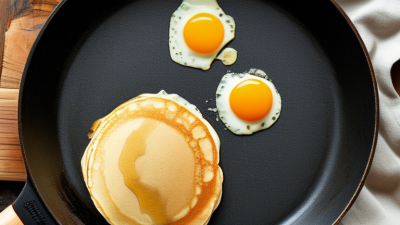
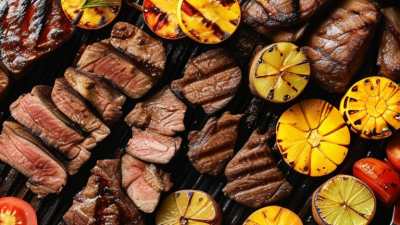
Picking out the best frying skillet can really change the game in your kitchen. I mean, Chef Julia Parker, who's pretty much a pro when it comes to kitchenware, once said, “A great frying skillet doesn’t just improve your cooking — it sparks your creativity.” So, it’s worth taking a moment to understand what makes a frying skillet top-notch and how it can benefit you.
First off, a good skillet should have a sturdy non-stick coating. It needs to heat evenly because, let’s be honest, nobody wants burnt or undercooked spots. A lot of home cooks don’t really think about what materials their skillet is made of— but honestly, it makes a big difference. Cast iron and stainless steel are popular choices because they each bring their own perks, like better flavor, heat retention, and even easier cleanup. Plus, how heavy the skillet is and how the handle feels can make a big difference during long cooking sessions — a well-balanced skillet just feels nicer to use.
That said, even the fanciest skillet isn’t perfect. Some need special care, and they might not be as flexible for certain recipes. It’s really important to think about your own cooking style and the kinds of meals you tend to prepare. Knowing that stuff helps you choose a frying skillet that’s perfect for you — ones that will make cooking more fun and less of a hassle.
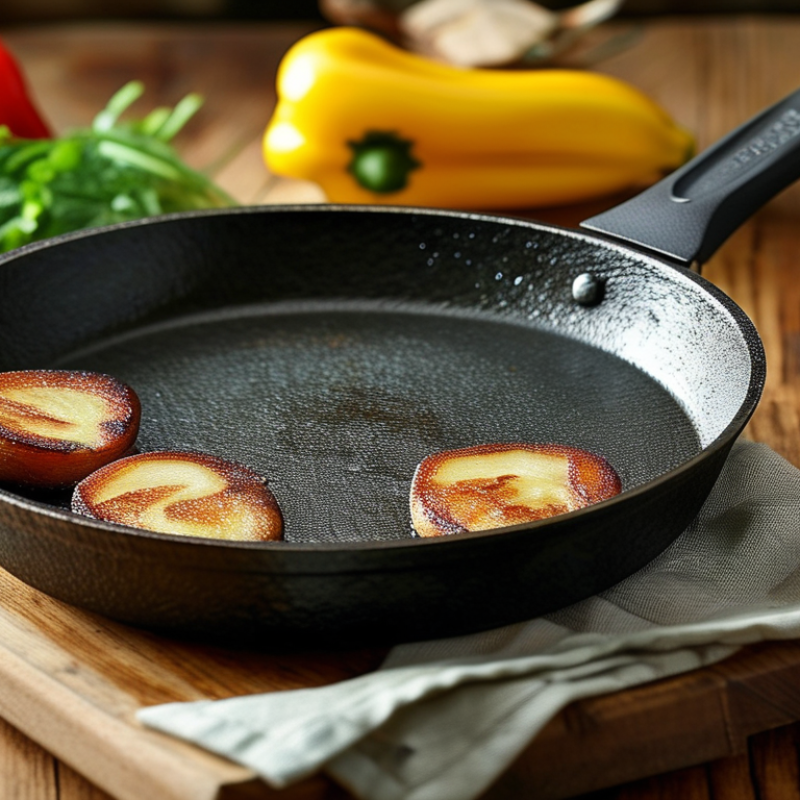
Understanding the Importance of a Quality Frying Skillet
When it comes to cooking, having a quality frying skillet can make all the difference. A good skillet heats evenly and distributes heat effectively, allowing food to cook consistently. This means fewer burnt edges and more perfectly cooked meals. For home cooks, this is a crucial aspect of kitchen success.
The right frying skillet can also enhance the texture of your dishes. A non-stick surface can prevent sticking, but it’s essential to use the right utensils to avoid scratching. Many people overlook the maintenance of their skillets until they encounter issues. Regular seasoning or proper cleaning can extend the life of your cookware significantly. Investing time in your skillet's care is as vital as choosing the right one.
Additionally, the material of the skillet affects cooking performance. Options range from stainless steel to cast iron. Each material reacts differently to heat. Understanding these nuances takes experience. It’s also a personal journey, as everyone develops their preferences. Reflecting on your cooking needs can lead to better choices in the long run. Finding the ideal skillet becomes a blend of trial, error, and culinary growth.
Types of Frying Skillets and Their Unique Features
When choosing the right frying skillet, it's essential to understand the different types available. Each skillet serves unique cooking needs. For instance, stainless steel skillets are durable and non-reactive. They provide an excellent sear but require proper heat control to prevent food from sticking. On the other hand, non-stick skillets are ideal for easy cleanup and cooking delicate foods like eggs. They don't require much oil, making them a healthier choice.
Cast iron skillets boast superior heat retention. They can go from stovetop to oven seamlessly. However, they need regular seasoning to maintain their non-stick properties. Remember, a cast iron skillet can become a family heirloom if properly cared for.
Finding the right skillet also involves personal cooking style. If you love high-heat techniques, a heavy-duty stainless steel skillet is a must. If you're more into easy, quick meals, a non-stick option may be better. Don’t hesitate to experiment with different materials. You might find that what you thought was perfect isn't meeting your expectations in the kitchen.
Use caution when choosing cookware. Not every skillet fits every cooking method. It’s okay to invest time exploring what suits your routine. Adapt as needed. Cooking should be enjoyable, not frustrating.
Why Choose the Best Frying Skillet for Your Cooking Needs? - Types of Frying Skillets and Their Unique Features
| Type of Frying Skillet |
Material |
Heat Conduction |
Durability |
Best Use |
| Stainless Steel Skillet |
Stainless Steel |
Good |
Very High |
Searing, Browning |
| Non-Stick Skillet |
Aluminum, Coated |
Excellent |
Moderate |
Frying, Omelettes |
| Cast Iron Skillet |
Cast Iron |
Excellent |
Very High |
Baking, Frying |
| Carbon Steel Skillet |
Carbon Steel |
Very Good |
High |
Searing, Stir-Frying |
| Ceramic Skillet |
Aluminum, Ceramic Coating |
Good |
Moderate |
Healthier Cooking |
Material Choices: Stainless Steel, Non-Stick, and Cast Iron
When selecting a frying skillet, the material significantly impacts your cooking experience. Stainless steel is highly durable and resistant to staining, making it a favorite among professional chefs. Its non-reactive surface is perfect for boiling or sautéing and holds heat well. However, food may stick if not properly preheated or oiled.
Cast iron skillets are renowned for their heat retention. They require some maintenance, such as seasoning, to keep them non-stick and rust-free. Their ability to evenly cook food makes them ideal for searing meats. Yet, they can be heavy and cumbersome. You may need to invest time in learning the best practices for care and usage.
For a simpler cooking experience, non-stick skillets are easy to clean and require less oil. While very convenient, they often have a shorter lifespan, especially if subjected to high heat. Using metal utensils can also damage their coating. Always consider how you'll use your cookware when choosing the right frying skillet.
Incorporating a Skillet Frying Pan into your kitchen can elevate your cooking. Experimenting with different materials may reveal preferences you didn't know you had. Chipping away at your understanding of each type can improve your overall cooking skills. Embrace the imperfections in your cooking style, and let each meal be a stepping stone to mastery.
Comparison of Frying Skillet Materials
Size Matters: Choosing the Right Diameter for Your Cooking Needs
When selecting a frying skillet, size is a critical factor. The skillet's diameter largely determines what you can cook. A smaller skillet is ideal for single servings or sautéing vegetables. However, you may find it limiting when cooking for family or guests. A 10-inch skillet serves one to two people well, but a 12-inch model can easily accommodate larger meals. According to industry data, approximately 60% of home cooks prefer skillets between 10 to 12 inches for versatility.
Additionally, shape and depth play a significant role in cooking efficiency. A deeper skillet can hold more liquid, which is favorable for sauces and stews. A shallow design might burn food more easily. Reports show that 73% of chefs recommend a wider skillet for frying, which allows for even heat distribution. This is essential when achieving the perfect sear. If you frequently cook dishes like Skillet Bbq, having the right size means less splatter and more control over your meal.
However, it is vital to reflect on your cooking habits. If you often cook for yourself, an oversized skillet may take up unnecessary kitchen space. Many cooks purchase a large skillet only to realize they seldom use it. Finding the right balance between size and functionality can significantly enhance your culinary experience. Evaluate your needs and choose wisely.
Heat Distribution and Retention in Frying Skillets
Choosing the best frying skillet can significantly impact your cooking. Heat distribution and retention are vital factors. A well-made Skillet Pan distributes heat evenly across its surface. This ensures that food cooks thoroughly, preventing hot spots that can scorch some areas while others remain undercooked.
When selecting a skillet pan, consider the material. For instance, cast iron retains heat exceptionally well, making it ideal for high-temperature cooking. On the other hand, stainless steel provides quick heating but may lose heat quickly. This can be frustrating when attempting to achieve the perfect sear. You might find yourself adjusting the temperature frequently, affecting your cooking experience.
Not every skillet pan performs optimally at all tasks. Non-stick skillets excel at lower temperatures but may not retain heat effectively. This can lead to longer cooking times. Reflecting on your cooking habits helps refine your choice. Are you making delicate sauces or searing meats? Your decision will influence both flavor and texture. Striking the right balance in heat retention is key to mastering your recipes.
Care and Maintenance for Longevity of Your Skillet
Caring for your frying skillet is essential for its longevity. A well-maintained skillet can last for many years, and proper care can improve cooking performance. The National Cooking Institute found that skillets that receive regular maintenance can retain heat better and distribute it evenly. This means that your meals will cook more consistently.
To preserve your skillet's surface, clean it gently after each use. Avoid abrasive materials that can scratch the surface. A soft sponge and mild soap are often sufficient. Seasoning your skillet regularly enhances its non-stick properties. This can be done by applying a thin layer of oil after cleaning. Not only does this prevent rust, but it also builds up the skillet’s protective layer.
Re-evaluating your cleaning techniques periodically is worthwhile. Many people overlook the importance of drying their skillet immediately after washing. Leaving it wet can lead to oxidation and deterioration. Always ensure that your skillet is completely dry to maintain its quality. Maintaining your frying skillet requires attention but can significantly improve its lifespan and cooking efficiency.
Tips for Selecting the Best Frying Skillet for Your Cooking Style
When selecting the best frying skillet, it’s essential to consider your cooking style and needs. A Wok Skillet can be versatile, allowing for different cooking techniques. According to a recent report by the Institute of Culinary Education, over 70% of professional chefs emphasize choosing the right skillet for optimal heat distribution and cooking efficiency.
Material plays a crucial role. For example, stainless steel, cast iron, and non-stick surfaces each serve distinct purposes. Stainless steel skillets are excellent for achieving a perfect sear, while non-stick surfaces prevent food from sticking. A study by the National Restaurant Association indicates that a well-chosen skillet can improve cooking outcomes by nearly 30%.
Consider the size of the skillet based on your family needs. A larger Wok Skillet may enable you to cook for larger gatherings, while smaller versions work best for everyday meals. Pay attention to handle construction as well; it should be sturdy yet comfortable to hold. Aim for handles that can withstand high heat. Replicating professional practices can elevate your culinary skills.
FAQS
: A quality frying skillet heats evenly, allowing for consistent cooking. This leads to fewer burnt edges and better meals.
Different materials respond differently to heat. For example, cast iron retains heat well, while stainless steel requires careful heat control.
Think about your cooking style and needs. High-heat techniques may favor stainless steel, while non-stick suits quick meals.
Clean it gently, avoiding abrasives. Regular seasoning with oil after cleaning helps maintain non-stick properties and prevent rust.
Use a soft sponge and mild soap. Re-evaluate your technique and ensure the skillet is dried immediately after washing.
Yes, with proper care, a cast iron skillet can last for generations. It could become a cherished family item.
Yes, seasoning enhances non-stick properties and builds a protective layer, contributing to better cooking performance.
Neglecting care can lead to rust and deterioration. This impacts cooking efficiency and the overall lifespan of your skillet.
Absolutely, mixing skillets allows for versatility. Experimenting can help you find what truly meets your cooking expectations.
Periodically assessing your cooking habits can lead to better skillet choices. It's a personal journey of culinary growth.
Conclusion
Choosing the best frying skillet for your cooking needs is essential for achieving optimal culinary results. A quality frying skillet not only enhances the flavor of your dishes but also influences the cooking process. Understanding the types of skillets available—such as stainless steel, non-stick, and cast iron—along with their unique features can help you select the perfect one for your kitchen. Additionally, considering the size and heat distribution capabilities will ensure that your skillet meets your cooking style effectively.
Proper care and maintenance of your frying skillet are crucial for prolonging its lifespan and performance. By following maintenance tips and selecting a skillet that aligns with your cooking habits, you can maximize your cooking experience. In summary, investing in a high-quality frying skillet tailored to your needs can significantly enhance your culinary endeavors.