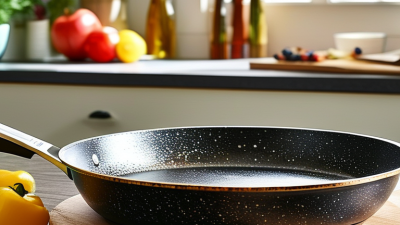
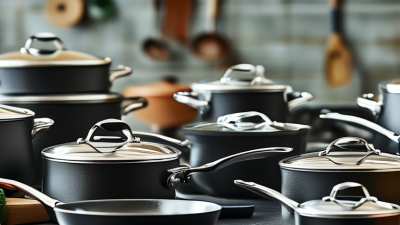
Picking out the right Non Stick Grill can actually feel a bit overwhelming, huh? There are just so many options out there — how do you even choose? Well, as chef Martha Stewart once said, “A good non-stick grill should make cooking a breeze and cleanup super easy.” That really hits the nail on the head when thinking about what to look for in a grill.
When you're weighing your choices, think about your own cooking style. Are you more into outdoor grilling, or do you prefer the convenience of cooking indoors on the stovetop? The design of the grill matters a lot — some heat everything evenly, while others might not be as reliable. It’s honestly worth digging into reviews and expert opinions so you can get a better idea of what’s worth your money.
A lot of folks overlook how important maintenance is. Believe me, a Non Stick Grill needs the right care if you want it to last longer. Not all materials are created equal, so understanding that can save you from a lot of frustration down the line. Sure, a shiny new grill looks awesome, but in the long run, durability usually wins — that’s where making an informed choice really pays off.
Understanding Non-Stick Grills: Benefits and Features
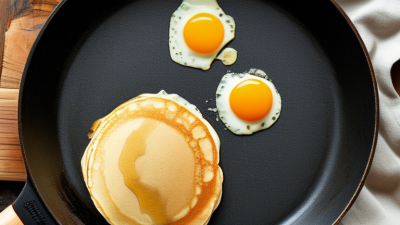
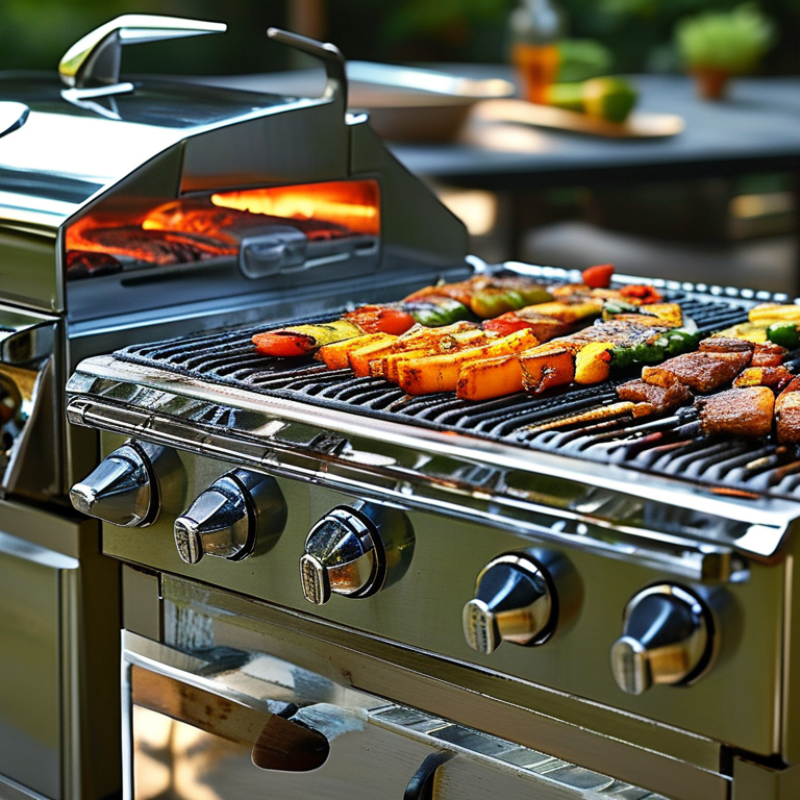
Non-stick grills have become essential for many cooking enthusiasts. They offer numerous benefits, making grilling more enjoyable. The primary advantage is the ease of cooking and cleaning. Food doesn’t stick, which means fewer frustrations. A quick wipe is often enough to clean the grill surface. This feature alone saves time and effort.
When considering features, look for materials that are durable and free from harmful chemicals. Such materials enhance safety and longevity. The grill’s size is also vital. A compact grill is ideal for small kitchens. In contrast, larger grills cater to those who entertain frequently. Some models even come with adjustable temperature controls, allowing for precise cooking.
Beyond functionality, aesthetics matter too. A stylish grill can enhance your kitchen’s appearance. However, do not overlook specific requirements, like heat distribution. If some areas overcook food while others remain cold, it defeats the purpose of non-stick functionality. Each grill offers a unique experience, so reflect on your cooking habits and think critically about what features you truly need.
Key Considerations When Selecting a Non-Stick Grill
When selecting a non-stick grill, several key considerations come into play. First, consider the material. Most non-stick pans utilize coatings like Teflon or ceramic. According to the Coatings Industry Association, Teflon can improve cooking efficiency by up to 20%. However, quality can vary significantly. Cheaper options may wear off quickly, affecting performance and safety.
Another factor is heat distribution. Uneven heat can lead to burnt spots. A good non-stick pan grill should heat evenly. A report from the National Kitchen Association indicates that consistent heat distribution is crucial for achieving perfectly grilled food. Check reviews and user experiences. This can reveal potential issues you might not anticipate.
Finally, consider the size and weight. A larger grill may seem ideal, but it can be cumbersome. A lightweight option is easier to handle and clean. According to consumer feedback, many users express frustration over oversized grills that offer little advantage in cooking. Balancing size with functionality is paramount for any kitchen.
Types of Non-Stick Coatings: Teflon vs Ceramic vs Others
When selecting a non-stick grill, understanding the types of non-stick coatings is crucial. Teflon and ceramic are the two most common options. Teflon has been a popular choice for many years due to its excellent non-stick properties. According to industry reports, around 70% of households use Teflon-coated cookware. However, there are concerns about the safety of Teflon when overheated, as it can release harmful fumes.
Ceramic coatings have gained attention recently. They are considered more environmentally friendly and safe for high-heat cooking. Studies indicate that ceramic surfaces can withstand temperatures up to 500°F without breaking down. They provide a non-toxic cooking experience, attracting health-conscious consumers. Yet, ceramic may not last as long under heavy use, raising questions about durability.
Other coatings, like silicone and newer hybrid options, are also emerging. While these alternatives may offer unique benefits, they often lack the extensive testing and reliability associated with Teflon and ceramic. It's essential to choose based on personal usage patterns, as some coatings perform better in specific situations. If a grill is used daily, opting for a robust material may be wise, while occasional use could allow for more flexibility.
Size and Cooking Surface Area: Finding the Right Fit
Choosing the right size and cooking surface area for your non-stick grill pan is crucial. It directly affects your cooking experience and results. If you often grill for large groups, a bigger surface area can be more efficient. However, larger pans may not fit well on all stovetops.
It's also important to consider your kitchen storage space. You might find an excellent non-stick grill pan, but it needs to fit in your cabinet. Measure your available space before purchasing. A compact design can be a lifesaver if you're dealing with limited storage.
Here are some tips: Select a grill pan that suits your cooking needs. If you usually grill vegetables, a pan with a larger cooking surface would be beneficial. Also, think about the material. Some non-stick surfaces vary, impacting the way heat is distributed. Reflect on your preferences for grilling and cooking ease. Ultimately, finding the right fit requires balancing size, utility, and storage.
Grill Size vs Cooking Surface Area
This chart illustrates the common sizes of non-stick grills and their corresponding cooking surface areas. The right fit depends on your cooking needs.
Budgeting for a Non-Stick Grill: Price Range and Value
When budgeting for a non-stick grill, consider both price range and the value you derive. Non-stick grills can vary significantly in price, typically ranging from $30 to over $200. The lower end often offers basic features, while mid-range options present better materials and longevity. It’s essential to evaluate what you need before purchasing. A cheaper grill may save you money upfront, but could cost more in the long run if it needs frequent replacing.
Look for grills that balance cost and quality. Models featuring durable non-stick coating tend to last longer. They may have slightly higher price tags, but they often perform better. Read reviews to gauge other users' experiences. There are countless options, but identifying a grill that meets your cooking habits is crucial.
Consider your cooking frequency. If you grill often, investing in a higher-quality model may be worthwhile. A budget option could suffice for occasional cooks. Many customers underestimate the importance of material quality. Reflect on how often you'll use the grill to ensure the selected model exceeds your expectations. In the end, the right non-stick grill should fit comfortably within your budget while satisfying your culinary needs.
Maintenance and Care Tips for Longevity of Non-Stick Grills
To maintain your non-stick grill plate, proper care is essential. Always avoid using metal utensils. They can scratch the surface and reduce its effectiveness. Instead, opt for silicone or wooden tools. This small choice makes a significant difference in longevity.
Cleaning your non-stick grill should be done carefully. Use a soft sponge and mild detergent. Hot water helps dissolve residue, but never soak it for too long. If food gets stuck, avoid abrasive cleaners. They might damage the non-stick coating. Rinse well and dry immediately to prevent water spots.
Regular inspections can also extend its life. Check for peeling or scratches. If you notice any, consider replacing the grill plate. A damaged surface can affect cooking performance and safety. While non-stick grills are convenient, they require your attention to ensure they remain effective.
How to Choose the Best Non Stick Grill for Your Needs? - Maintenance and Care Tips for Longevity of Non-Stick Grills
| Feature |
Description |
Importance Level |
Maintenance Tips |
| Material |
Look for PFOA-free coatings for health safety and durability. |
High |
Use wooden or silicone utensils to prevent scratching. |
| Size |
Choose a size that fits your cooking needs and storage space. |
Medium |
Clean with a soft sponge to avoid damaging the surface. |
| Heat Distribution |
Even heating helps in cooking food uniformly. |
High |
Preheat before cooking for best results. |
| Ease of Cleaning |
Non-stick surfaces should be easy to wipe clean. |
Medium |
Avoid abrasive cleaners to maintain the coating. |
| Weight |
Lightweight grills are easier to handle and store. |
Low |
Store in a cool, dry place to extend life. |
Safety Considerations: Health Implications of Non-Stick Coatings
When selecting a non-stick grill, safety is vital. Many non-stick coatings contain polytetrafluoroethylene (PTFE), which can release toxic fumes at high temperatures. According to a study by the Environmental Protection Agency, overheating non-stick cookware can produce harmful particles. This raises concerns about long-term health effects.
Consumer health data often highlights exposure risks associated with traditional non-stick surfaces. Studies suggest that some coatings may contain perfluorinated compounds (PFCs), which are linked to various health issues, including hormone disruption. Individuals seeking an Induction Non-Stick Grill Pan should ensure it is free from these harmful substances.
Choosing safer options is essential. Look for products that are certified free from PFCs and other harmful chemicals. Research indicates that ceramic-based non-stick coatings can be safer alternatives. However, always verify the materials used in any non-stick grill. Awareness of potential health implications is crucial for informed decisions.
FAQS
: Consider your cooking needs. A larger surface is better for big groups but may not fit all stovetops.
Measure your kitchen storage space. Ensure that the pan fits in your cabinets or storage area.
Some non-stick coatings can emit toxic fumes when overheated. Be cautious about high-temperature cooking.
Some coatings may contain PFCs, which can disrupt hormones and pose health risks.
Look for pans certified free from harmful chemicals. Research the materials used in the coating.
Studies suggest they can be safer alternatives, but always verify their safety claims.
Overheating can release harmful particles into the air, raising health concerns long-term.
Yes, the material can influence heat distribution, impacting your grilling experience and results.
If space is limited, a compact design can make a significant difference in your kitchen's organization.
Not necessarily, but be aware of the potential health risks associated with overheating and certain chemicals.
Conclusion
Choosing the right Non Stick Grill can greatly enhance your cooking experience, making meal preparation easier and more enjoyable. Understanding the benefits and features of non-stick grills is essential, as they offer convenience and efficiency compared to traditional grilling methods. Key considerations include the type of non-stick coating, such as Teflon or ceramic, and the size and cooking surface area that best fits your needs. Additionally, budgeting for a non-stick grill requires evaluating price ranges and value, while proper maintenance and care can ensure its longevity.
Safety is also a crucial factor when selecting a non-stick grill; it's important to understand the health implications of various coatings. By taking into account these considerations, you can make an informed decision that aligns with your cooking habits and preferences, ultimately leading to a satisfying grilling experience.