DAFEIT
over 100,000 square meters

SPECIALIZED INTEGRATED MANUFACTURER

Leave Your Message
0%

So you're picking out the best Nonstick Cookware for a business? It's not just about who has the lowest price. Restaurant kitchens put cookware through the wringer—constant heat cycles, quick scrubbing, and staff grabbing and stacking pans all day. A pan that works great at home can really struggle during a packed breakfast rush.

Grand View Research put the global nonstick cookware market at around USD 7.7 billion in 2023, and they expect growth through 2030 too. Convenience, easier cleanup, and more commercial foodservice demand are driving that. Sounds promising, right? But those numbers don't automatically mean every operator gets their money's worth. A café cranking out 200 omelets a day needs something very different from a hotel that only sends out the occasional room-service meal.

Performance is really what matters.

Lisa McManus, Executive Tasting and Testing Editor at America's Test Kitchen, once made a point worth remembering: "nonstick pans are not forever pans." That's not just a clever line. Coatings can stop releasing food well if they get too hot, get hit with metal utensils, are scrubbed too hard, or are stacked carelessly. And for a purchasing manager, how often you have to replace the pan can matter way more than the original invoice.

So look at the little things. Test how eggs release after repeated heating. See if handles stay cool during a busy service. Think about pan weight, storage space, and cleaning time. Check the manufacturer's care instructions and commercial warranty. Independent testing often shows weaknesses that pretty product photos never will.

Honestly? The perfect pan may not exist.

A smart decision balances food quality, labor savings, safety guidance, and total cost of ownership. After you buy, keep track of failure rates and ask staff what they think. It's easy to skip that step—and it can reveal assumptions that looked totally reasonable during procurement.
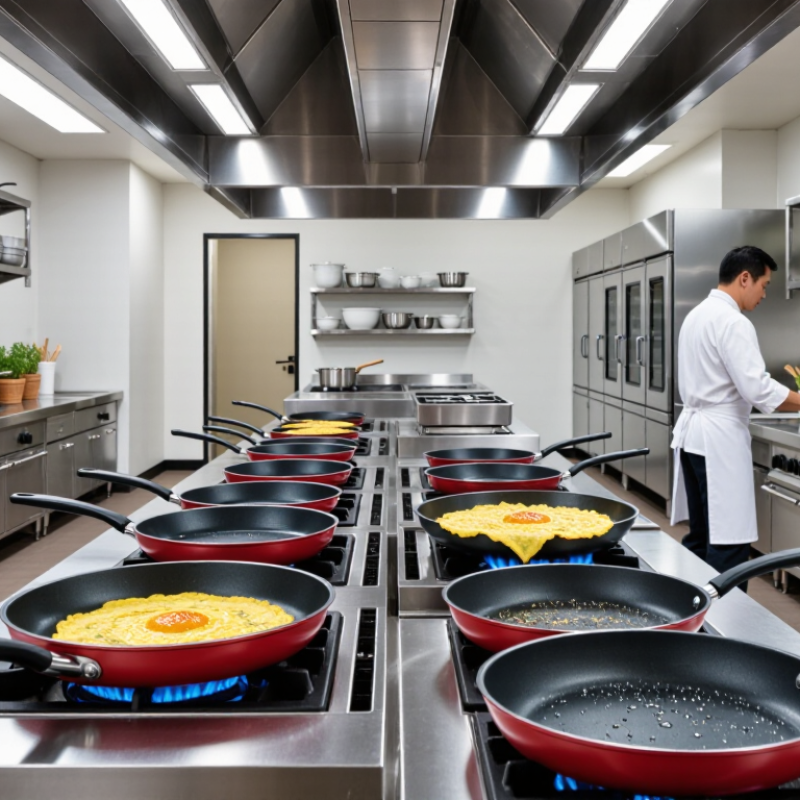
How to Choose the Best Nonstick Cookware for Your Business

Business Cooking Needs and Nonstick Cookware Requirements

Business Cooking Needs and Nonstick Cookware Requirements

A commercial kitchen needs cookware that matches its daily rhythm, not just its menu. A breakfast café may cook eggs continuously, while a catering team handles larger batches under changing conditions. Speed matters. Even heating helps prevent pale pancakes and burnt edges during busy service. A Nonstick Cookware Set should include practical sizes, such as a small skillet for sauces and a wider pan for omelets. Unused pieces only consume storage space.

Durability deserves close attention. Choose pans with stable bases, comfortable handles, and surfaces designed for frequent cooking. Check whether the cookware suits your available stovetops and cleaning procedures. In my kitchen testing, a pan that releases food easily can still fail when its handle becomes loose or its base warps. Small details become expensive problems. Staff should use suitable utensils and avoid stacking pans without protection. Follow the manufacturer’s care instructions, even when service is rushed.

Cleaning time also affects business costs. A smooth surface can reduce scrubbing after sticky foods, but no coating lasts forever. Inspect pans regularly for scratches, peeling, or uneven heating. Remove questionable cookware from service instead of risking inconsistent food quality. A perfect set does not exist. I once prioritized a low purchase price and underestimated replacement costs. That decision looked efficient for one month. It was not. Consider workload, storage, staff habits, and replacement availability before choosing cookware for long-term operations.

Key Materials Used in Commercial Nonstick Cookware

Choosing commercial nonstick cookware starts with understanding its core materials. Aluminum is common because it heats quickly and keeps pans relatively light. Hard-anodized aluminum adds surface strength and resists dents better than untreated aluminum. It still needs careful handling around high heat and sharp utensils.

The cooking surface matters more than appearance. PTFE-based coatings offer smooth release for eggs, pancakes, and delicate fish. They perform well when kitchens respect recommended temperatures and avoid overheating empty pans. Ceramic coatings provide a different feel and often suit operators seeking a mineral-based surface. However, their release performance may decline sooner with constant commercial use. Stainless steel bodies can improve structural strength, but stainless steel alone is not nonstick.

Material thickness also affects daily results. A thin pan may heat rapidly but develop hot spots over a busy burner. A thicker base usually spreads heat more evenly, although it adds weight for staff.

I have found that coating durability depends on more than the material name. Cleaning habits, stacking, preheating, and utensil choice can decide whether a pan lasts months or years. Small details matter.

There is no perfect surface. A coating that releases food easily may not tolerate rough service. Ceramic may feel attractive, yet its long-term consistency deserves careful testing. Before buying large quantities, test sample pans during a real shift. Check browning, handle comfort, washing time, and coating wear. Record the results. Kitchen conditions reveal weaknesses that product descriptions often miss.

Evaluating Coating Safety, Durability, and Performance

Choosing a Nonstick Cookware Pan for a business requires more than checking its price or appearance. Ask suppliers for current food-contact safety documents and clear coating specifications. These records should identify testing methods, temperature limits, and recommended care. Avoid products with vague claims or missing technical information.

Coating durability becomes important during busy service. Test sample pans with repeated heating, cooling, washing, and utensil contact. Inspect the surface under strong light after each cycle. Small scratches can become larger problems. The pan should release eggs, sauces, and delicate fish without excessive oil. It should also distribute heat evenly across the cooking surface. Uneven heating creates pale centers and burnt edges.

Measure performance in your own kitchen. Staff handling often differs from laboratory use. Check how quickly the pan responds when heat changes. Examine the handle, rivets, and base after several shifts. Some coatings perform well initially but weaken under aggressive cleaning. That matters. Care instructions must be realistic for your team, not merely attractive on paper. I would also record failure points rather than hiding them. A slightly heavier pan may improve stability, yet it can slow fast-paced cooking. The best choice depends on your menu, equipment, and cleaning routine. Safety and durability should guide the purchase, while performance proves its daily value.

Choosing Suitable Pan Sizes, Shapes, and Product Types

How to Choose the Best Nonstick Cookware for Your Business

Pan size and shape should match your busiest service, not your showroom shelf. A 20-centimeter pan suits eggs, small sides, and single portions. A 28-centimeter pan handles a full breakfast plate more comfortably. Straight sides support sauces and reduce spills, while sloped sides help cooks flip food quickly. For large batches, choose wide sauté pans with stable bases and generous handles. Measure your burners first. A beautiful pan can still heat unevenly.

The global cookware market was valued at approximately USD 19.87 billion in 2023, according to Grand View Research. That growth reflects demand for efficient, durable kitchen tools. Restaurant operators also need speed. The National Restaurant Association projected U.S. restaurant sales would reach USD 1 trillion in 2024. Therefore, product types should reflect workflow. Use shallow fry pans for fast cooking, saucepans for controlled heating, and deep pans for high-volume dishes. Avoid buying one shape for every task. I have seen teams do this, then struggle with crowded burners and uneven portions.

Tips: Build a simple test set before placing a large order. Check pan weight, handle clearance, stacking space, and heat response. Ask whether each item is Nonstick Cookware Safe for your intended utensils and cleaning routine. Review supplier care instructions carefully. Some coatings tolerate gentle tools but dislike harsh scrubbing. Record cooking times during a busy shift. The results may challenge your first choice.

How to Choose the Best Nonstick Cookware for Your Business - Choosing Suitable Pan Sizes, Shapes, and Product Types
Use this comparison to match pan dimensions, shapes, coatings, and construction features with the workload, menu, cooking equipment, and service requirements of a commercial kitchen.
Product Type Common Size Range Typical Shape Best Commercial Uses Recommended Batch Size Heat Source Considerations Key Advantages Important Limitations Operational Buying Notes
Nonstick Fry Pan 20–24 cm diameter Round, shallow sides Single portions, eggs, pancakes, sautéed vegetables, small fish fillets 1–2 portions Suitable for gas, electric, and ceramic cooktops; induction requires a magnetic base. Fast food release, easy portion control, compact storage Limited capacity for sauces and large batches; shallow sides can increase splashing. Useful for breakfast stations, cafés, room-service kitchens, and low-volume à la carte work.
Standard Nonstick Fry Pan 26–28 cm diameter Round, moderately sloped sides Omelettes, chicken breasts, fish, stir-fried vegetables, pan sauces 2–3 portions Check the manufacturer’s maximum operating temperature and handle suitability for the intended cooktop. Versatile size for everyday service; balances surface area and maneuverability May be too small for high-volume production and too large for individual portions. A practical core size for restaurants that need one general-purpose nonstick pan.
Large Nonstick Fry Pan 30–32 cm diameter Round, broad cooking surface Large fish portions, sautéed vegetables, multiple eggs, family-style dishes 3–5 portions Requires a cooktop zone large enough to heat the base evenly; avoid overcrowding. Higher capacity and larger searing area Heavier and less agile; uneven heating may occur if the burner is too small. Choose reinforced handles and a stable base for frequent commercial handling.
Nonstick Sauté Pan 24–30 cm diameter; 5–8 cm depth Wide base with straight, higher sides Reduced sauces, braised vegetables, shallow frying, pasta finishing, one-pan meals 3–6 portions Works on most cooktops when the base is flat; induction compatibility depends on construction. Combines frying surface with extra capacity and reduced splashing Usually heavier than a fry pan; higher sides can make tossing food more difficult. Prioritize a helper handle, secure lid, and a base that remains flat during heating.
Nonstick Saucepan 1–3 L capacity Round, deep sides Custards, cream sauces, gravies, reheating, grains, small-batch soups 1–8 portions, depending on capacity Use low-to-medium heat for delicate sauces and follow the coating care instructions. Good control for sticky or delicate foods; easy cleanup Not designed for broad searing; narrow base may heat more slowly on large burners. Select multiple capacities if the menu includes both individual and small-batch sauces.
Nonstick Crêpe or Pancake Pan 24–28 cm diameter Very shallow, low rim Crêpes, pancakes, flatbreads, quesadillas, delicate seafood 1 item at a time A flat, stable base supports even batter spreading; avoid excessive preheating. Easy turning and clean release; low sides improve spatula access Low capacity and limited versatility for liquid or high-volume dishes. Best for dedicated breakfast, dessert, and specialty-food stations.
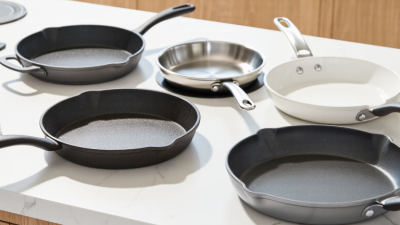
Nonstick Grill Pan 24–28 cm round or 25–30 cm square Raised ridges with a grooved surface Grilled sandwiches, vegetables, chicken portions, presentation marks 1–3 portions Needs sufficient contact with the heat source; raised ridges reduce the actual contact area. Creates grill marks and allows some fat to drain away from the food Harder to clean than a flat pan; ridges can reduce uniform browning. Buy only when grill-mark presentation is important to the menu; include suitable cleaning tools.
Nonstick Wok-Style Pan 28–32 cm diameter Deep bowl with curved or gently sloped sides Stir-fried noodles, vegetables, rice dishes, quick sautéing 2–5 portions Flat-bottom designs are more broadly compatible with commercial cooktops than round-bottom designs. High sidewalls support tossing and reduce ingredient spillover Some models have a smaller flat heating area; excessive heat can shorten coating life. Choose a flat-bottom model unless the kitchen has a dedicated wok burner.
Nonstick Egg Pan 18–20 cm diameter Small round pan with low to medium sides Fried eggs, individual omelettes, breakfast sandwiches, single servings 1 portion Low-to-medium heat helps prevent delicate egg mixtures from overbrowning. Efficient for portion consistency and quick breakfast production Small cooking area and limited use outside breakfast or individual service. Useful where speed, repeatability, and portion control are more important than versatility.
Nonstick Roasting or Braising Pan 30–40 cm length; 5–10 L capacity Large rectangular or oval form Large-batch vegetables, shallow braises, oven finishing, buffet preparation 6–15 portions Confirm oven-safe temperature, lid compatibility, and whether handles remain cool or require protection. High capacity and efficient transfer from stovetop to oven when designed for both uses Bulky, heavy when full, and unsuitable for small burners or limited storage. Verify rack dimensions, storage space, lifting requirements, and cleaning procedures before purchase.
Nonstick Multi-Pan Set Commonly includes 20–24 cm, 26–28 cm, and 30–32 cm pans Mixed shapes and capacities Menus with varied portions, breakfast service, catering, and multi-station kitchens From single portions to 5 portions All pieces should match the kitchen’s cooktops; check whether lids and accessories are interchangeable. Standardizes equipment and covers several menu applications Unused sizes can increase cost and storage requirements; replacement matching may be difficult. Choose sets only when most included sizes correspond to actual menu demand.
Selection checklist: Confirm the pan’s base diameter, total weight, handle design, coating-care requirements, oven-safe temperature, lid availability, induction compatibility, storage footprint, and replacement availability. For commercial use, select utensils and cleaning methods that are approved for the specific nonstick coating.

Comparing Heat Compatibility and Cooking Efficiency

Heat compatibility should be tested before purchasing nonstick cookware in volume. An induction-ready pan needs a magnetic base and stable contact with the cooking surface. Gas burners demand a flat base that resists warping under direct flames. Use an infrared thermometer during trials. Small details matter.

The U.S. Energy Information Administration’s 2020 Residential Energy Consumption Survey reports that cooking uses about 4% of household energy. Commercial kitchens usually face heavier, repeated demand. Faster heat recovery can reduce idle time between orders.

The Foodservice Technology Center evaluates commercial cooking equipment through measured energy input, recovery, and production rates. These metrics are more useful than advertising claims. Record preheating time, surface temperature, and output per batch. A pan that heats quickly may still create hot spots.

Food safety also depends on control. USDA FSIS guidance recommends 165°F for poultry, so cookware should distribute heat evenly without forcing excessive burner settings. For teams seeking Safest Nonstick Cookware, select products with clear temperature limits and documented food-contact compliance. Avoid empty preheating, especially on powerful burners.

Our first trial exposed an inconvenient flaw: the smallest pan overheated faster than expected. We changed the testing method after that. Human habits remain part of equipment performance.

Assessing Maintenance, Lifespan, and Replacement Costs

In a busy commercial kitchen, nonstick cookware is judged by more than its purchase price. A pan that releases eggs easily today may become a daily replacement expense later. Track cleaning time, surface wear, and cooking performance for each pan. Use soft sponges, mild detergent, and wooden or silicone tools. High heat can weaken the coating faster than careful washing. That detail is often missed. Allow pans to cool before washing to reduce warping.

Lifespan depends on heat cycles, workload, storage, and staff habits. A small café may use one skillet dozens of times each day. Inspect the surface weekly for scratches, peeling, bubbling, or uneven release. Do not keep using damaged cookware because food can stick and cleaning becomes slower. Manufacturer care instructions should guide temperature limits and washing methods. In my experience, staff training protects cookware better than a cheap replacement policy. Still, training is not perfect. Record purchase dates and replacement reasons, not only invoices.

Replacement cost includes labor, downtime, delivery, and inconsistent results during transition. Compare expected service life with the cost per day of operation. A durable pan costing more upfront may reduce interruptions over two years. Yet projected lifespan can be optimistic when pans face constant high heat. Test a small batch for four to eight weeks before standardizing a larger order. Measure cooking speed, cleaning minutes, and rejected dishes. Numbers reveal problems. Review the records monthly when actual wear disagrees with assumptions.

FAQS

What cookware does a busy commercial kitchen usually need?

Choose pieces that match daily cooking tasks. A small skillet suits sauces and eggs. A wider pan handles omelets and larger portions. Unused pans waste storage space.

Why does even heating matter during busy service?

Even heating reduces pale centers and burnt edges. It also supports more consistent portions. Test pans on your actual burners. A pan can look excellent but heat poorly.

How should a business evaluate cookware durability?

Check the base, handle, rivets, and cooking surface. Use sample pans through repeated heating, cooling, washing, and utensil contact. Inspect them under strong light. Small scratches can grow quickly.

What safety information should suppliers provide?

Request current food-contact safety documents and coating specifications. The documents should show testing methods and temperature limits. They should also explain suitable care. Avoid vague technical claims.

Which pan sizes work well for different portions?

A 20-centimeter pan suits eggs and single portions. A 28-centimeter pan handles a fuller breakfast plate. Wide sauté pans support larger batches. Measure burner size before ordering.

How do pan shapes affect cooking speed?

Straight sides help contain sauces and reduce spills. Sloped sides make flipping easier. Deep pans suit higher-volume dishes. Do not force one shape into every task.

How can a kitchen reduce cleaning time?

Smooth surfaces usually release sticky foods more easily. Use suitable utensils and follow practical care instructions. Avoid harsh scrubbing when the coating does not tolerate it. Cleaning still takes time.

When should cookware be removed from service?

Remove pans with peeling, serious scratches, warped bases, or uneven heating. Inconsistent cookware can damage food quality. Replacement costs may exceed the original savings. My low-price choice failed after one month.

Conclusion

Choosing the best Nonstick Cookware for a business begins with understanding daily cooking demands, menu requirements, kitchen volume, and equipment limitations. Commercial kitchens should evaluate materials such as aluminum, stainless steel, and reinforced layered constructions for their balance of heat distribution, strength, and weight. Coating safety, durability, food release, and resistance to scratching or peeling are also essential factors, especially when cookware is used frequently. Selecting the right pan sizes, shapes, and product types can improve workflow, while checking heat compatibility ensures efficient performance across suitable cooking surfaces and temperatures.

Businesses should also consider how easily the cookware can be cleaned, stored, and maintained. Products with strong construction and reliable coatings may offer a longer service life, reducing interruptions and replacement expenses. By comparing purchase price with expected durability, cooking efficiency, maintenance needs, and replacement frequency, food service operators can choose Nonstick Cookware that supports consistent results, safer handling, and better long-term value.
Sophia

Sophia

Sophia is a dedicated marketing professional at a leading aluminum industry manufacturer. With a profound understanding of the company's core offerings, she specializes in high-quality aluminum alloy ingots, premium kitchen appliances, durable sports and leisure products, and high-precision......
Previous What Are the Top Types of Grill Plates?