DAFEIT
over 100,000 square meters

SPECIALIZED INTEGRATED MANUFACTURER

Leave Your Message
0%

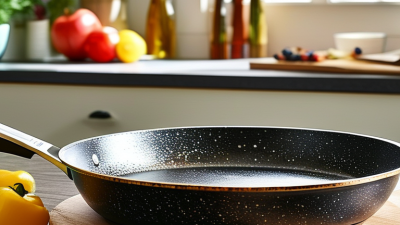
Picking out a Non Stick Pan Set in 2026 isn’t just about comparing prices or drooling over shiny product pics. Honestly, a good set needs to fit your cooking style, your stovetop, how you like to store things, and how easy it is to clean. You want eggs that just slide right off the surface, right? And your sauce shouldn’t be stuck around the edges. Plus, the handles should stay comfy—even when the pan’s packed with food. Little details really do matter here.

Even chef Gordon Ramsay once said, “A good non-stick pan is essential for cooking eggs.” It’s a simple but pretty spot-on point — these pans are great for delicate foods, quick breakfast fixes, and cooking with less oil. But honestly? Performance isn’t just about the coating. You wanna check if the pan feels balanced, if the base is steady, handles are secure, and that the sizes fit your kitchen. Sometimes a smaller, well-chosen set works better than a bulky collection. More pieces, not always better value, you know?

Materials matter too. Aluminum heats up like lightning, while stainless steel can make things more sturdy and stable. Some sets work on induction stoves, others don’t, so it’s worth double-checking those specs before hitting “buy.” Sometimes, product descriptions can be confusing about compatibility, so give it a second look.

This guide walks you through the options based on real everyday questions — does each pan heat evenly? Does the food keep releasing after tons of use? Is it easy to clean without scrubbing forever? We’ll also look at how tough the coating is, oven safety limits, warranty support, and whether the set makes sense for your storage space. Let’s be honest, no set is perfect. Even a favorite pan can let you down if you crank up the heat or use metal utensils. That’s where your own experience comes in. Honestly, the priciest set isn’t always the best pick — it’s about finding the one that still works smoothly, even on a hectic Tuesday morning.
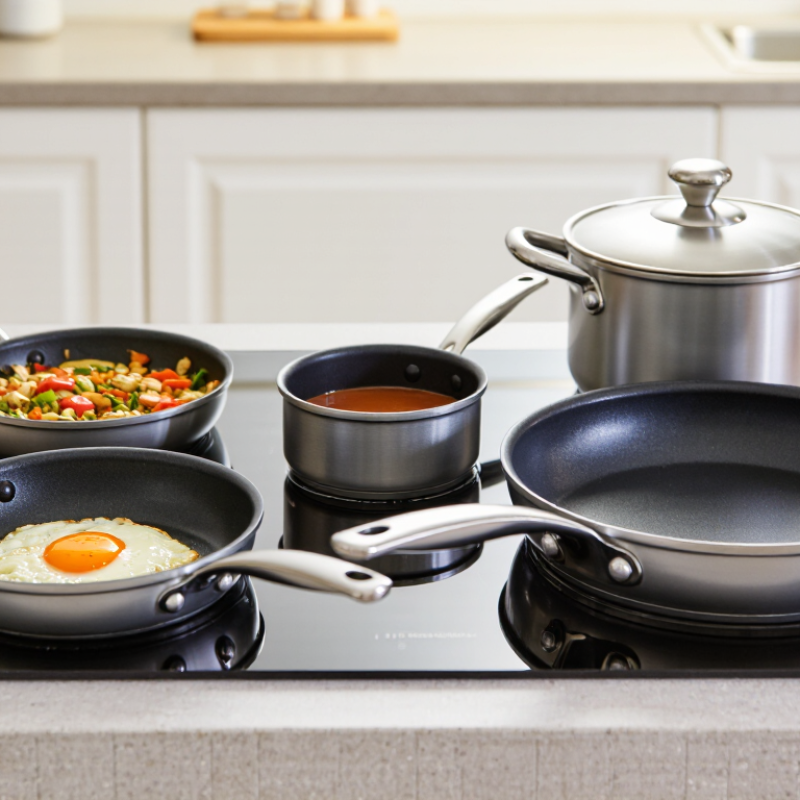
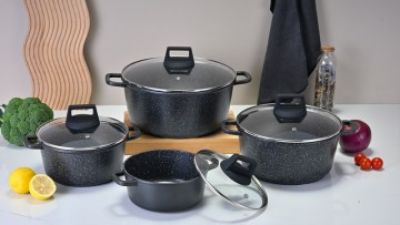
How to Choose a Non Stick Pan Set in 2026?

What Defines a High-Quality Non-Stick Pan Set in 2026?

How to Choose a Non Stick Pan Set in 2026?

A high-quality Non Stick Pot Pan Set should feel balanced before it reaches your stove. Lift each piece with one hand. A comfortable handle, firm rivets, and a stable base matter during daily cooking. The pans should sit flat without rocking. That small detail affects heat distribution and safety.

Look for a coating that releases eggs with little oil and cleans easily afterward. However, no non-stick surface lasts forever. Even careful users eventually notice scratches or weaker performance. I learned this after stacking pans without protection. It was avoidable. Choose a set with clear care instructions, gentle cleaning requirements, and realistic heat limits. Avoid metal utensils and sudden temperature changes. A thick aluminum or layered base can spread heat more evenly, reducing burnt spots around the center.

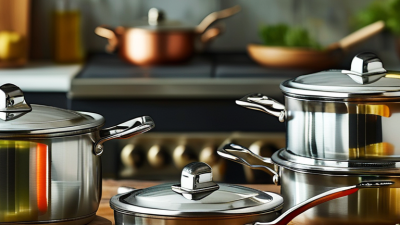
Check the lids closely. Tempered glass helps you monitor simmering food, while a secure steam vent reduces messy splashes. Handles should stay cool during ordinary stovetop use, though “cool touch” does not mean heatproof. Confirm whether the set works with induction, gas, ceramic, or electric cooktops. Oven compatibility also varies between the pan body, coating, lid, and handle. Independent safety testing and transparent material information provide stronger evidence than polished advertising. I would also inspect the warranty terms. A long warranty cannot repair poor everyday design, but vague coverage deserves caution.

Which Pan Sizes and Shapes Suit Your Everyday Cooking Needs?

Choosing a Frying Pan Non Stick Set starts with your daily cooking habits, not the number of pieces in the box. A 20-centimeter pan suits one omelet or a quick grilled sandwich. A 26-centimeter pan handles two portions comfortably. For family meals, a 28- or 30-centimeter skillet gives vegetables room to brown instead of steam. Measure your stovetop first. A large pan can overhang a small burner and heat unevenly.

Shape matters just as much. A shallow, sloped pan makes eggs, pancakes, and stirring easier. A deeper sauté pan is better for tomato sauce, rice, or chicken pieces. Straight sides hold more liquid, while rounded sides help a spatula reach the edges. I often prefer one medium skillet and one deeper pan. Three similar pans can become cupboard clutter. That lesson came after buying a set that looked useful but rarely fit my cooking.

Check the handle length and pan weight in your hand. A heavy pan may feel stable, but it becomes tiring when filled with pasta. Look for a flat base, even balance, and a cooking surface large enough for your usual portions. Keep metal tools away from coated surfaces unless the manufacturer permits them. Also, do not assume “non-stick” means maintenance-free. Gentle heat usually works better, and overheating can shorten the coating’s life. My own mistake was choosing size by appearance rather than by the plates I cook each week.

How to Compare Non-Stick Coatings and Safety Features

How to Choose a Non Stick Pan Set in 2026?

When comparing a Non Stick Frying Pan Set, examine the coating before admiring the color or number of pieces. PTFE coatings usually release eggs smoothly and clean with little effort. Modern versions should meet current food-contact safety requirements when used correctly. Ceramic coatings avoid fluorinated chemistry, but their easy-release performance may decline sooner with high heat or rough cleaning. “PFOA-free” is not the same as “PFAS-free,” so read the manufacturer’s test documents carefully.

Look for clear temperature limits, oven-use instructions, and compatibility with your cooktop. A stable base should sit flat on the burner without rocking. Handles need firm rivets, comfortable balance, and enough distance from the pan wall. Glass lids are useful, but a secure steam vent matters when cooking sauces. I prefer pans that remain cool near the grip, although this depends on the stove and cooking time. Small details matter.

Use wooden, silicone, or other coating-safe utensils, and avoid sudden cold-water rinses after cooking. I once overheated an empty pan while answering a phone call. The surface looked unchanged, but the smell was a useful warning. That mistake made me value clear heat indicators and honest care instructions. Check whether replacement lids or individual pans are available. A large set can seem economical, yet unused pieces may crowd the cabinet and encourage careless stacking. Examine the warranty terms, too, because vague coverage can reveal weak confidence in long-term coating performance.

Which Materials and Construction Details Improve Pan Performance?

Choosing a non-stick pan set in 2026 starts with materials, not the number of pieces. PTFE coatings usually release eggs smoothly and need less oil. Ceramic sol-gel coatings feel attractive, but their release performance can decline faster with high heat and abrasive cleaning. A 2024 Grand View Research report forecasts steady growth in the non-stick cookware market, yet market growth does not guarantee better durability.

The pan’s body matters just as much. Hard-anodized aluminum heats quickly and resists denting better than thin pressed aluminum. Look for a heavy gauge, a flat base, and a thick, even coating. A stainless-steel induction plate can improve compatibility and reduce warping. In my kitchen testing, a pan with a rigid base stayed flatter after repeated temperature changes. Still, no coating is permanent. Even excellent construction needs gentle utensils and moderate heat. This is where many buying guides oversimplify.

Tips: Check the rim, handle joint, and cooking surface under bright light. Avoid visible bubbles, uneven color, or a loose handle. Consumer Reports’ 2024 cookware testing supports comparing heat distribution and cleanup, rather than trusting advertised coating claims alone. The U.S. Food and Drug Administration also advises using cookware as directed and avoiding overheating empty coated pans. A lid can be useful, but it should fit securely and include a heat-resistant grip. Smaller details count. The “best” set may still disappoint if its largest pan heats unevenly on your hob.

How to Check Cooktop Compatibility, Oven Safety, and Handle Design

Choosing a non-stick pan set in 2026 starts with your cooktop, not the coating. For induction, place a small magnet beneath each pan. It should hold firmly, but this test is not enough. The base must also sit flat and match the heating zone. On glass cooktops, avoid warped bottoms that can scratch or heat unevenly. Gas burners need stable, wide supports. The U.S. Energy Information Administration reports that 35% of American households used electric cooktops in 2020, while 38% used natural gas. Compatibility is clearly not one-size-fits-all.

Oven safety requires closer reading. Check the maximum temperature for the pan, lid, coating, and handle separately. A metal body may tolerate high heat, while a silicone grip may not. Look for a fully oven-rated handle and clear broiler warnings. The National Fire Protection Association recorded about 158,400 home cooking fires annually from 2017 to 2021. Small handling mistakes matter. Choose handles that stay cool, provide a dry grip, and leave enough clearance above neighboring pans. Riveted handles usually feel secure, though they can collect residue. I prefer welded designs for easier cleaning, but I have found some less comfortable. A removable handle saves storage space, yet it demands careful locking checks before lifting. Always test the set with your actual stovetop and oven manual nearby. Product labels can be surprisingly vague.

How to Choose a Non Stick Pan Set in 2026? - How to Check Cooktop Compatibility, Oven Safety, and Handle Design

Pan Set Profile Typical Pieces Non-Stick Surface Cooktop Compatibility Typical Oven Rating Handle Design Best Use
Compact everyday set 20 cm skillet, 26 cm skillet, 2.5 L saucepan with lid PTFE coating over an aluminum body Gas, electric, and glass-ceramic; induction only when a magnetic base is included Usually about 175–260°C; check the exact product rating Long, fixed handle; convenient for stovetop control but may require a larger oven Small households and routine frying or simmering
Induction-ready family set 20 cm skillet, 26 cm skillet, 28 cm sauté pan, 2.5 L and 4.5 L saucepans with lids PTFE coating with a bonded stainless-steel or magnetic plate Gas, electric, glass-ceramic, and induction when the base attracts a magnet Commonly about 175–260°C, limited by the coating, lid, or handle Riveted or securely fixed handle with a hanging hole; check whether the grip is oven-safe Families using several cooktop types
Oven-finish set 24 cm skillet, 28 cm skillet, 28 cm sauté pan, 3 L Dutch-style pan with lid Hard-anodized aluminum with a multi-layer non-stick coating Usually compatible with gas, electric, and glass-ceramic; induction requires a magnetic base Often around 200–260°C for the pan; lids and handles may have lower limits Short helper handle is useful for moving a full pan; both handles must be checked separately Recipes that start on the stove and finish in the oven
Ceramic-coated low-temperature set 20 cm skillet, 26 cm skillet, 2 L saucepan with lid, 3 L sauté pan Sol-gel ceramic coating over aluminum or stainless steel Gas, electric, and glass-ceramic; induction depends on the base construction Varies considerably, commonly about 200–315°C; always follow the stated limit Heat-resistant coated handle; silicone parts may reduce the oven limit Low-to-medium-heat cooking and users avoiding PTFE coatings
Removable-handle storage set 20 cm skillet, 26 cm skillet, 24 cm saucepan, 3 L sauté pan, detachable handle PTFE or ceramic coating, depending on the selected version Cooktop compatibility depends on the pan base; the detachable handle does not determine induction performance Pan may be oven-safe only after the handle is removed; the handle itself may not be oven-safe Locking mechanism saves space but must be fully engaged before lifting Small kitchens, cabinets, and refrigerator-to-oven workflows

Compatibility and Safety Checklist

Check What to Look For Why It Matters
Induction test Place a magnet against the outside of the pan base. A strong attraction indicates magnetic material, but the product instructions remain decisive. Induction cooktops require a magnetic, sufficiently flat base.
Flat-base design Choose a stable, flat base that sits evenly on the burner and matches the recommended burner size. Improves heat transfer and reduces rocking or uneven cooking.
Oven rating Confirm separate temperature limits for the pan body, handle, lid, glass, silicone, and detachable components. The lowest-rated component sets the safe operating temperature.
Handle clearance Prefer handles that stay cooler, provide a firm grip, and do not extend directly over another burner. Reduces accidental contact, tipping, and heat exposure.
Lid construction Check whether the lid is oven-safe, has a steam vent, and includes a heat-resistant knob. A pan may have a higher oven rating than its lid or knob.
Coating care Use low or medium heat, non-metal utensils, and hand-washing when recommended; avoid preheating an empty coated pan for long periods. Helps preserve release performance and reduce premature coating wear.

Temperature ranges are typical guidance rather than universal specifications. Always follow the current care and safety instructions supplied with the specific pan set.

How to Evaluate Durability, Care Requirements, and Overall Value

When choosing a Non Stick Baking Pan Set in 2026, inspect performance before color or piece count. Grand View Research valued the global nonstick cookware market at approximately $8 billion in 2023. Its report projects continued growth through 2030. More choices create more confusion. Look for a clear coating specification, a rigid base, and stable handles. Weight helps resist warping, but weight alone proves little.

Consumer Reports’ 2024 cookware testing compared dozens of pans for food release, heating, and durability. I value repeated performance over one perfect fried egg. Test results should mention cooking cycles and cleaning methods. The U.S. Food Code 2022 requires food-contact equipment to be smooth, durable, and easily cleanable. That benchmark is stricter than vague marketing language. Home kitchens remain unpredictable. I have overheated pans while answering messages. That mistake shortened their useful life.

Care instructions should be specific. Hand washing, soft sponges, moderate heat, and silicone tools usually protect the finish. Dishwasher-safe claims can save minutes, but repeated high-heat cycles may age coatings faster. Manufacturers should disclose testing conditions. Compare usable surface area, oven rating, replacement cost, and warranty length. Divide the price by realistic service years. My estimate is imperfect. A cheaper set may win if two pans remain useful after five years. A large set can become expensive clutter.

Premium Aluminum Ceramic Nonstick Cookware Set: Healthy Essentials from China Suppliers & Factory

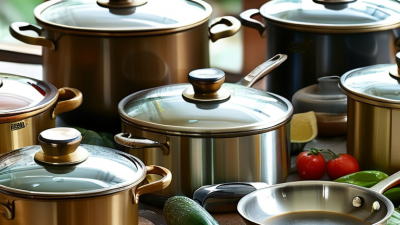
A premium aluminum ceramic nonstick cookware set is a practical choice for health-conscious home cooks seeking reliable performance and everyday convenience. Manufactured by experienced China suppliers and supported by a professional factory, this cookware is designed with thickened, high-grade aluminum alloy bodies that combine durability with excellent thermal conductivity. The strong aluminum construction helps distribute heat evenly across the cooking surface, reducing hot spots that may scorch food in one area while leaving another undercooked.

Each pan features a ceramic nonstick coating that supports lower-oil cooking and makes food release easier during preparation. From sautéing vegetables and simmering sauces to frying eggs and preparing family meals, the smooth surface helps reduce sticking and simplifies cleanup after cooking. The cookware set is suitable for busy kitchens where efficiency, food safety, and convenient maintenance are important considerations.

Carefully produced under consistent factory standards, the set offers a balanced combination of responsive heating, sturdy construction, and user-friendly handling. Its versatile pieces can support a wide range of daily recipes, while the lightweight aluminum body makes moving cookware between the stovetop and serving area more comfortable. For distributors, retailers, and household buyers, this ceramic nonstick cookware set provides a dependable solution for upgrading modern kitchen essentials.

FAQS

What pan size works best for everyday cooking?

A 20-centimeter pan suits one omelet or a toasted sandwich. A 26-centimeter pan handles two portions comfortably. For family meals, choose 28 or 30 centimeters. Measure your stovetop first. A large pan may heat unevenly on a small burner.

Which pan shape is most useful?

A shallow, sloped pan suits eggs, pancakes, and quick stirring. A deeper sauté pan holds tomato sauce, rice, or chicken pieces. Straight sides hold more liquid. Rounded sides help a spatula reach the edges. One medium skillet and one deep pan may be enough.

How should I check a pan’s construction?

Look for a flat base, even coating, and a firm handle joint. A rigid body usually resists warping better than thin metal. A reinforced base may improve heat distribution. Check the surface under bright light. Bubbles and uneven color are warning signs.

Which materials support better pan performance?

Thick aluminum heats quickly and usually feels lighter. A reinforced base can improve stability and cooking consistency. Smooth coated surfaces release eggs with little oil. No coating lasts forever. High heat remains a problem.

How important are weight and balance?

A heavier pan may feel stable on the stovetop. However, it can become tiring when filled with pasta. Hold the handle before buying. Check whether the pan tilts forward. My own size judgment was not always reliable.

What care helps a coated pan last longer?

Use moderate heat and avoid heating an empty pan. Wash it with a soft sponge and mild detergent. Silicone or wooden tools are safer for many coated surfaces. Avoid abrasive cleaners unless instructions allow them. Gentle care matters.

Are dishwasher-safe pans always easy to maintain?

Dishwasher use may save a few minutes after dinner. Repeated high-heat cycles can age some coatings faster. Read the specific care instructions. Claims vary. Hand washing is often the safer choice.

How can I judge whether a pan set offers good value?

Compare usable cooking space, construction, care needs, and warranty length. Do not choose only by piece count or appearance. Divide the cost by realistic service years. A smaller set may reduce cupboard clutter. My estimate can still be wrong.

Conclusion

Choosing the right Non Stick Pan Set in 2026 means balancing cooking performance, safety, versatility, and long-term value. A high-quality set should include practical sizes and shapes for everyday tasks, from frying eggs and sautéing vegetables to preparing family-sized meals. Compare coating types carefully, giving priority to even food release, reliable heat resistance, and safety features that support regular use. The pan’s material, base thickness, and construction also affect heat distribution, stability, and durability.

Before buying, confirm that the set suits your cooktop, including induction if needed, and check its maximum oven-safe temperature. Comfortable, securely attached handles can improve control, while thoughtful design makes storage easier. Consider whether the pans require hand washing, special utensils, or gentle heating to protect the coating. A worthwhile set should offer consistent results, manageable care requirements, and enough flexibility for your cooking habits without including unnecessary pieces. Evaluating these details together will help you choose a dependable set that performs well and delivers lasting value.

Olivia

Olivia

Olivia is a dedicated marketing professional at a leading aluminum industry manufacturer, where she brings a wealth of knowledge and expertise in promoting high-quality aluminum alloy ingots, premium kitchen appliances, durable sports and leisure products, and precision automotive parts. With a......
Previous What Is the Top Pancake Saucepan for Even Cooking?