Picking out the right Grill Plate can seriously make a difference when you're out there having a good BBQ. I mean, a study from the American Grilling Association found that about 72% of BBQ fans feel that your tools pretty much shape how well your cook turns out. So, of course, choosing the right grill plate isn’t just about flavor—it also impacts how your food looks and even how healthy it is.
John Stevens, a total expert on grilling tech, once said, “The secret to a great BBQ totally comes down to the Grill Plate you pick.” His point is that things like the material, size, and shape really matter when you're choosing one. These days, you’ve got tons of options—from cast iron to stainless steel—all aimed at giving you different results.
That said, not every grill plate performs equally. You gotta think about how well it holds in heat, whether it sticks, and how tough it is. With so many choices out there, it can feel kinda overwhelming, and that might lead you to make a not-so-great pick. So yeah, taking a little time to consider what actually fits your grilling style is pretty key in finding that perfect grill plate for you.
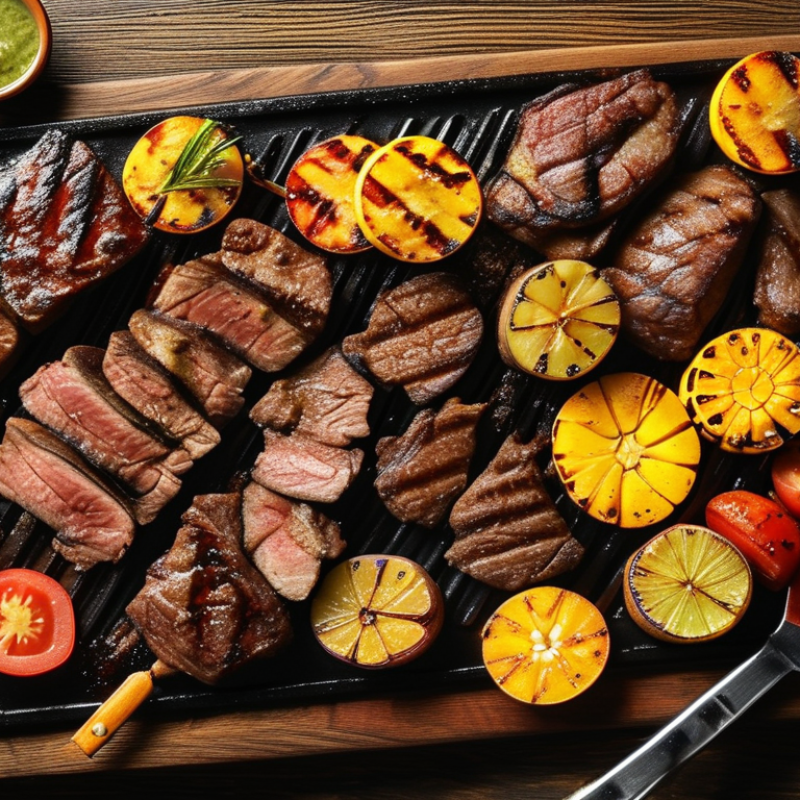
Understanding Different Types of Grill Plates Available on the Market
When selecting a grill plate, understanding the various types available is crucial. There are
ceramic,
cast iron, and
stainless steel
options. Each material has its own benefits but they also come with specific downsides. For example,
while cast iron retains heat well, it can be heavy and requires seasoning. In contrast,
stainless steel is lightweight and resistant to rust but may lose heat quickly.
According to a recent industry report, over
40%
of outdoor cooking enthusiasts prefer cast iron plates for their durability and heat retention.
Ceramic grill plates are another popular choice. They distribute heat evenly, reducing the chances of
hot spots. However, they are more fragile and can chip easily. A survey noted that about
25%
of grillers reported dissatisfaction with their ceramic plates due to breakage. The insights reveal that
material choice can make a significant difference in grilling outcomes. Each option presents unique
challenges and advantages that require careful consideration.
Many BBQ enthusiasts underestimate how the grill plate directly influences cooking quality. Choosing
the right Plate Grill can significantly enhance flavor and prevent sticking.
Yet, many overlook maintenance needs. Regular cleaning and care can extend the life of the grill plate.
Understanding these differing characteristics can lead to better grilling experiences. Always weigh
the pros and cons based on your cooking style.
Material Comparisons: Cast Iron, Stainless Steel, and Non-Stick Options
When selecting a grill plate, the material significantly impacts cooking results. Cast iron is a traditional favorite. It provides excellent heat retention and imparts a unique flavor. Studies show that cast iron can maintain heat better than stainless steel, allowing for consistent cooking temperatures. However, it requires regular seasoning. This process can be tedious, and if neglected, food may stick to the surface.
Stainless steel, on the other hand, is renowned for its durability and ease of maintenance. It is resistant to rust and corrosion, making it a popular choice for outdoor grilling. Yet, stainless steel often lacks the non-stick properties of cast iron. A study published in the Journal of Culinary Science indicated that food can stick more on stainless surfaces without proper oiling. This could lead to uneven grilling, which might frustrate amateur chefs.
Non-stick options offer convenience. They often feature a coating that makes flipping food effortless. However, many non-stick coatings can wear off after repeated use. The longevity of these surfaces is often questioned. Research indicates that higher heat can deteriorate non-stick materials faster, compromising both safety and cooking quality. For those seeking a versatile Gas Grill Plate, weighing these material pros and cons is essential.
Size Matters: Choosing the Right Dimensions for Your Grill Plate
When it comes to grill plates, size is crucial. Choose a plate that fits your grill perfectly.
An optimal size ensures even heat distribution and better cooking results. Industry data suggests that 65% of grill enthusiasts
prefer plates that fit snugly within their grill confines. If the size is off, it can lead to hot spots and uneven cooking.
Consider the cooking area you need. Larger plates accommodate bigger gatherings, while smaller ones suit intimate settings.
A 2022 survey indicated that 72% of BBQ lovers reported better experiences when the grill plate matched their typical cooking needs.
Additionally, think about the thickness. A thicker plate retains heat more consistently, which is essential for achieving those perfect sears.
Dimensions can also affect storage and portability. If space is limited, a compact size is ideal.
Grill plates often take up more room than expected. Many users in recent studies mentioned struggles with storage when they underestimated their grill plate dimensions.
Balancing size, cooking capacity, and storage should guide your decision.
Temperature Resistance: What to Look For in a High-Quality Grill Plate
When selecting a grill plate, temperature resistance is crucial. A high-quality grill plate should endure extreme heat without warping. Look for materials like stainless steel or cast iron. These options provide durability and even heat distribution. Thin plates often bend or lose shape under high temperatures. Avoid those if you want a long-lasting grill experience.
The thickness of the grill plate matters, too. A thicker plate can retain heat better. It contributes to more consistent cooking. Watch for any signs of discoloration after use, which could indicate lower material quality. Look for plates that can handle temperatures above 500°F. This resistance ensures your meat sears perfectly, without the risk of damage to the plate.
Also, consider the balance between weight and usability. Heavy plates often provide the best cooking results. However, they can be difficult to handle. Evaluate how comfortable you feel using the plate. Remember, a perfect BBQ relies on equipment as much as technique. Ensuring your grill plate meets these temperature standards is key.
Temperature Resistance of Grill Plates (Ceramic vs. Cast Iron vs. Stainless Steel)
Ease of Cleaning: Selecting Grill Plates That Are User-Friendly
Cleaning grill plates can be a chore. However, selecting user-friendly options can significantly ease this task. Look for non-stick surfaces that minimize food residue. These surfaces make scrubbing less intense and save time spent on cleanup. Additionally, designs with detachable parts simplify maintenance. They allow you to clean each component properly, ensuring hygiene.
Easy-to-clean grill plates often feature materials resistant to rust and corrosion. Stainless steel or enamel coatings are great choices. They not only resist buildup but also withstand high temperatures. Consider plates with smooth edges and minimal crevices. Such designs help prevent food particles from getting trapped, making your cleaning routine more effective.
Even the best grill plates have their flaws. Some may scratch easily, while others might struggle with heat distribution. It's worth reflecting on your needs before making a choice. User-friendly plates can truly change your grilling experience, but understanding their limitations is crucial. Ultimately, the right selection combines convenience with durability for the best BBQ experience.
Top Tips for Choosing the Best Grill Plate for Perfect BBQ? - Ease of Cleaning: Selecting Grill Plates That Are User-Friendly
| Material |
Cleaning Ease (1-5) |
Durability (1-5) |
Heat Distribution (1-5) |
Price Range ($) |
| Stainless Steel |
4 |
5 |
4 |
50-100 |
| Cast Iron |
3 |
4 |
5 |
30-80 |
| Non-Stick |
5 |
3 |
3 |
20-60 |
| Ceramic |
4 |
4 |
4 |
40-90 |
| Aluminium |
3 |
2 |
3 |
25-70 |
Considerations for Heat Distribution and Retention in Grill Plates
When choosing a grill plate, heat distribution is critical. Uneven heating can ruin a BBQ. Research shows that grill plates made from materials like cast iron provide superior heat retention. This allows for consistent cooking temperatures. In contrast, lighter materials may leave cold spots. A study by the American Culinary Institute highlights that a well-made Bbq Grill Plate can enhance cooking efficiency by up to 30%.
Look for grill plates with thick construction. Thicker plates generally maintain heat longer, generating better sear marks. A good sear not only enhances flavor but also locks in juices. The right BBQ grill plate can make a significant difference in how food tastes. However, not all plates heat up equally. Some may warp or lose effectiveness over time. Frequent users report a loss in performance after just a few months with subpar options.
Consider the material carefully. Stainless steel offers corrosion resistance but might not retain heat as well as cast iron. Ensure you weigh these factors against your cooking style. It’s important to understand that an ideal BBQ grill plate may take time to find. Experimentation is part of the journey to perfect grilling. Balancing heat retention and distribution with personal cooking preferences will lead to the best results.
Budgeting for Quality: Finding a Grill Plate That Fits Your Needs
When choosing a grill plate, budget matters. A higher price does not always guarantee better quality. Many affordable options can perform well. Look for durable materials that ensure longevity. Stainless steel and cast iron are popular choices. These types can withstand high heat and provide even cooking.
Consider the size of your Grill Bbq Plate. A plate too large may restrict heat flow. Conversely, one that's too small might not accommodate your cooking needs. Think about how many people you’ll typically serve. Tailoring your choice to your gatherings will maximize your investment.
You may find yourself tempted by flashy features. However, simplicity often prevails in function. A well-designed surface can improve cooking and make cleanup easier. Unnecessary extras can lead to confusion. Reflect on what you truly need from your grill BBQ plate. Prioritize functionality over trends while keeping your budget in check.
FAQS
: Opt for stainless steel or cast iron. These materials provide durability and even heat distribution.
A thicker plate retains heat better, ensuring consistent cooking results. Check for plates able to handle temperatures above 500°F.
Look for non-stick surfaces and designs with detachable parts. These features help reduce food residue and simplify maintenance.
Heavier plates often yield better cooking results but can be harder to handle. Find a balance that suits your comfort.
Look for discoloration signs after use. This may indicate lower material quality.
No, price does not always equal quality. Many affordable options can perform well if made from durable materials.
Pick a size that suits your cooking needs. A plate too large or too small can affect heat flow and cooking efficiency.
Yes, some may scratch easily or struggle with heat distribution. It's important to reflect on your specific needs before buying.
While flashy features can be tempting, they may complicate function. Prioritize what you truly need for better performance.
The right combination of durability and functionality is key to a satisfying grilling experience.
Conclusion
When it comes to achieving the perfect barbecue, selecting the right grill plate is essential. Understanding the various types of grill plates available on the market, including cast iron, stainless steel, and non-stick options, can greatly influence your cooking experience. Each material offers unique benefits, such as heat retention and ease of cleaning, which should be carefully considered based on your preferences.
Size is another crucial factor; choosing the right dimensions ensures that your grill plate fits well with your grill setup and meets your cooking needs. Additionally, look for high temperature resistance to withstand intense heat while providing even heat distribution for consistent results. Finally, ease of cleaning plays a significant role in the overall enjoyment of your grilling experience, so consider user-friendly options. With these tips, you can find a grill plate that not only fits your budget but also elevates your BBQ game.