When you're talking about must-have kitchen gear, the Non Stick Skillet is definitely one of those go-to tools, whether you’re cooking at home or working like a pro chef. Chef Laura Bennett from Kitchen Masters puts it nicely: "A really good non-stick skillet can totally change the way you cook." And honestly, many people agree — it just makes life so much easier when prepping and frying up your favorite meals.
Picking out the right non-stick skillet isn’t exactly a walk in the park, though. You gotta think about stuff like what material it’s made of, the size, and how durable it’s gonna be over time. With so many options out there, it’s super easy to get overwhelmed. Sometimes, folks just buy whatever is cheapest or sticks to brands they’ve heard of, but that doesn’t always guarantee they’ll be happy with it or find it convenient to use day after day.
It’s really worth sticking to trusted brands — but heads up, not every big-name company delivers on quality either. Reading reviews and asking for recommendations from people you trust can save you a lot of headaches down the line. Do a little homework, and you'll end up finding a non-stick skillet that really fits your cooking style and holds up through regular use. Trust me, it’s worth the effort!
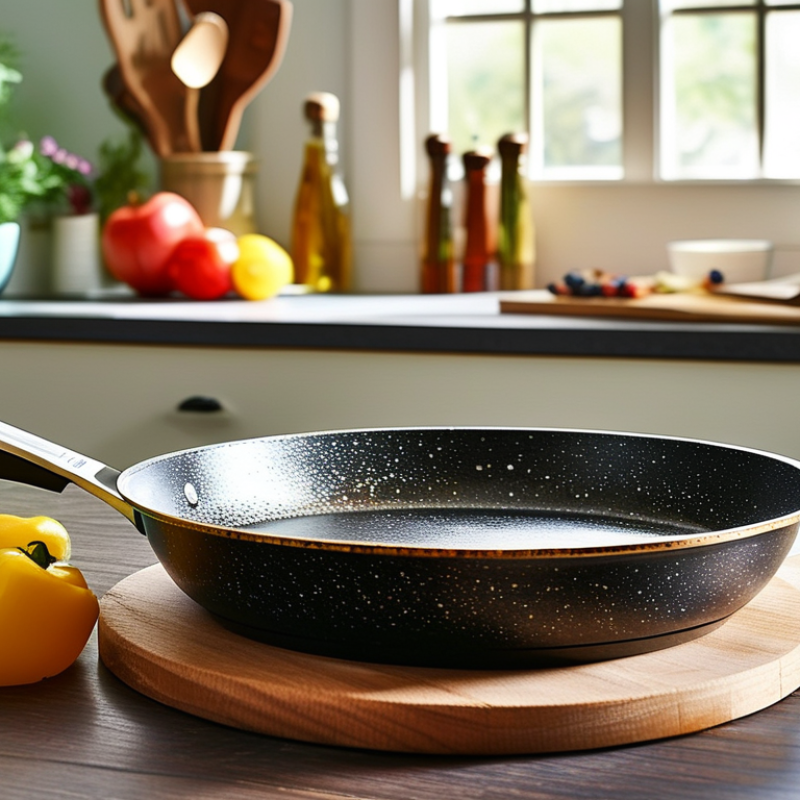
Factors to Consider When Selecting a Wholesale Non-Stick Skillet
When selecting a wholesale non-stick skillet, there are several essential factors to consider. The material is crucial. Many skillets use aluminum, which heats evenly. However, some may warp over time. Look for hard-anodized options as they offer durability and scratch resistance.
Another factor is the non-stick coating. Various types exist, each with its pros and cons. Teflon is popular but can wear off. Ceramic coatings are eco-friendly but might not last as long. Assessing the thickness of the skillet also matters. A thicker skillet often cooks better, reducing the chances of hot spots.
Finally, handle design impacts usability. Ensure the handle is comfortable and remains cool during cooking. A wobbly handle can lead to accidents. It’s worth testing the skillets in person to gauge their weight and feel. These aspects can significantly enhance kitchen efficiency.
Comparison of Non-Stick Skillet Features
Understanding Different Non-Stick Coating Materials in the Market
Non-stick skillets have gained popularity due to their convenience. Understanding the different non-stick coating materials available can help you make informed choices. Common materials include Teflon, ceramic, and anodized aluminum. Teflon, while effective, can degrade at high temperatures. Ceramic coatings are generally safer and environmentally friendly but may wear out faster than expected.
When choosing a skillet, consider how often you cook at high temperatures. This decision affects your coating choice. Look for skillets with ceramic coatings if you prefer chemical-free materials. On the other hand, Teflon might suit those prioritizing easy food release. Always inspect the skillet for scratches or damage that can affect its performance.
Another key tip is to evaluate the skillet's durability and maintenance. Some coatings require special utensils, and not all are dishwasher-safe. Take time to weigh your cooking habits and preferences. Even the best skillet might not meet your expectations if it doesn't align with your cooking style. Always remember that the best skillet for you might not be the most popular choice. Make a thoughtful decision.
Assessing Heat Distribution and Retention in Skillet Performance
When selecting a wholesale non-stick skillet, understanding heat distribution and retention is essential. Research from the Association of Kitchenware Manufacturers shows that effective heat distribution can enhance cooking efficiency by up to 30%. A skillet that heats evenly reduces the risk of hot spots, which can lead to burnt food. Consider materials like aluminum or copper, which conduct heat well, ensuring your meals cook uniformly.
Heat retention is another key factor. A skillet that retains heat allows for better searing and browning. Data from the Culinary Institute of America suggests that the right choice can enhance flavor profiles significantly. Look for skillets that maintain their heat for longer without requiring excessive energy. However, be cautious as excessive heat can also lead to degradation of the non-stick coating. Testing the skillet's performance during cooking can provide valuable insights.
The thickness of the skillet also plays a critical role in heat management. Thinner skillets may heat quickly but can lead to uneven cooking. A slightly thicker skillet might take longer to warm up but will provide a more stable cooking surface. Reflect on the balance between responsiveness and stability when making your choice. This reflection can reveal that what seems ideal may not always be the best for your needs. Ultimately, the right non-stick skillet will make cooking more enjoyable and efficient.
Evaluating Durability and Lifespan of Non-Stick Cookware Products
When choosing non-stick cookware, evaluating durability and lifespan is essential. The material used significantly influences how long your non-stick pans will last. Options like ceramic coatings can wear out faster than traditional Teflon surfaces. However, Teflon itself can degrade over time, especially if exposed to high heat. Look for products designed to withstand high temperatures for improved longevity.
Additionally, the manufacturing process matters. Pans made with reinforced elements may offer better resistance to scratches. Weight is another vital factor. Heavier skillets often indicate sturdier construction. Regular use can reveal flaws over time, so consider how often you'll need replacements.
Cleaning habits also play a role in the lifespan of non-stick cookware. Using metal utensils can lead to scratches, diminishing the skillet's non-stick properties. It's worth reflecting on your cooking methods and how they align with the care required for non-stick pans. Over time, you may notice that some products don’t hold up, serving as a reminder to invest wisely.
Importance of Brand Reputation in the Skillet Wholesale Industry
In the skillet wholesale industry, brand reputation plays a crucial role. When selecting non-stick skillets, customers often rely on the experiences of others. A strong brand often indicates quality. Consumers tend to trust brands that are known for their durability and safety. Negative reviews can significantly affect a brand’s reputation. Customers will steer clear of brands with consistent complaints about peeling coatings or broken handles.
Building a good reputation takes time. A brand needs to consistently deliver high-quality products. Engaging with customers helps in understanding their needs. Brands that listen to feedback improve their offerings. However, not every brand gets it right. Some may overlook vital aspects like material safety and user experience. If a brand doesn’t address concerns, it risks losing customer trust.
Reputation is not just about selling more skillets. It's about creating lasting relationships. A brand that values quality fosters loyalty. This loyalty can translate into repeat business. Brands must also embrace transparency. Sharing sourcing and manufacturing processes reassures customers. Reliable brands communicate openly about their product details. In turn, this builds a solid foundation for long-term success.
Cost Analysis: Balancing Quality and Affordability in Skillets
When considering a wholesale non stick skillet, it's essential to analyze the cost versus quality. Research indicates that the price point for Non Stick Pans can vary widely, from $20 to over $100. A study by the National Kitchen + Bath Association shows that consumers often prioritize durability over lower costs. However, a cheaper non stick pan may not always last, leading to more frequent replacements.
The materials used in non stick pans significantly affect both price and performance. High-quality skillets often feature reinforced coatings that resist scratching and peeling. According to industry reports, pans with ceramic or diamond-infused coatings tend to have longer lifespans than traditional non stick options. Failing to invest in quality could result in spending more in the long run.
Balancing affordability and durability is crucial. While many budget options may entice with low prices, they often compromise longevity. A report from Consumer Reports suggests that many low-cost non stick pans demonstrate poor heat distribution. This results in uneven cooking and disappointing culinary outcomes. Investing slightly more in a well-reviewed non stick pan could enhance your cooking experience and reduce the hassle of frequent replacements.
Certifications and Safety Standards for Non-Stick Cookware Quality
When selecting non-stick cookware, understanding certifications and safety standards is crucial. Many consumers overlook the importance of safety in non-stick skillets and woks. Products certified by bodies such as the FDA or NSF offer better assurance of quality. Research shows that 70% of consumers prioritize safety certifications when choosing cookware. This reflects growing awareness of potential health risks associated with low-quality non-stick products.
Various materials used in non-stick cookware may contain harmful chemicals, such as PFOA and PFOS. In 2019, the Environmental Protection Agency reported a significant decline in PFOA usage due to health safety concerns. Consumers should check whether the non-stick wok or skillet is labeled as PFOA-free. This is not just a marketing tactic; it can significantly influence health.
Another key aspect is the durability of the non-stick coating. A high-performance non-stick skillet can last up to ten years when properly cared for. However, some might perform poorly early on, leading to user dissatisfaction. Regular inspections of your cookware can help maintain its quality. When pots and pans show signs of wear or deterioration, it's time to reassess your options. Cooking should be safe and enjoyable, not a source of worry.
10 Tips for Choosing the Best Wholesale Non-Stick Skillet - Certifications and Safety Standards for Non-Stick Cookware Quality
| Feature |
Importance |
Certification |
Safety Standard |
| Material |
Durability and heat distribution |
PFOA-free |
FDA Approved |
| Coating Type |
Non-stickness and ease of cleaning |
PTFE-free options |
European EN Standards |
| Handle Design |
Safety and comfort |
BPA-free |
ASTM International |
| Compatibility |
Stove compatibility (gas, electric, induction) |
Induction-friendly certifications |
UL Listing |
| Heat Resistance |
Quality of cooking and safety |
High-heat resistant |
ISO 9001 |
| Size & Weight |
Ease of use and storage |
Weight capacity certified |
ETL Listed |
| Warranty |
Assurance of quality |
Lifetime warranty available |
Consumer Product Safety Commission |
| Price |
Value for money |
Price range certification |
N/A |
| User Reviews |
Feedback on performance |
Verified purchase certificates |
N/A |
| Manufacturer Reputation |
Trust and reliability concerns |
Accreditations from trusted organizations |
N/A |
FAQS
: Effective heat distribution enhances cooking efficiency, reducing the risk of burnt food.
Consider materials like aluminum or copper for even heat distribution.
A skillet that retains heat allows for better searing and enhances flavor profiles.
Excessive heat can degrade the non-stick coating, compromising skillet performance.
Thinner skillets heat quickly but may cause uneven cooking; thicker ones provide stability.
The material used affects durability; ceramic may wear out faster than traditional options.
Metal utensils can scratch the surface, diminishing non-stick properties over time.
Heavier skillets often indicate sturdier construction, which may affect longevity.
Regular use reveals flaws; consider how often you will need replacements.
Think about your cooking methods and how they align with the care needed for non-stick pans.
Conclusion
Choosing the best wholesale non-stick skillet requires careful consideration of various factors to ensure optimal performance and satisfaction. It's essential to evaluate different non-stick coating materials available in the market, as they significantly impact cooking efficiency and safety. Additionally, assessing heat distribution and retention is crucial for achieving consistent cooking results, while the durability and lifespan of non-stick cookware must be considered to ensure long-term use.
Brand reputation plays a vital role in the skillet wholesale industry, as established brands often provide higher-quality products backed by customer trust. Furthermore, it's important to conduct a cost analysis to balance quality and affordability, ensuring that the chosen non-stick skillet meets both budgetary and performance expectations. Lastly, checking for certifications and safety standards is essential to guarantee that the non-stick cookware adheres to health regulations, providing a safe cooking experience for all users.