SPECIALIZED INTEGRATED MANUFACTURER
You know, a pancake pan can either make your morning feel like a breeze—or turn a simple batch into a sticky mess, uneven browning, and a whole lot of extra scrubbing. Honestly, it's not just about picking something with a "nonstick" sticker on it. Things like the pan's size, how heavy it is, whether the handle feels comfortable in your hand, what the surface is actually made of, and if it works on your stovetop—all that stuff adds up in day-to-day cooking. Little details really do matter. For instance, a heavier pan might hold heat like a champ, but lifting it every time you flip a pancake? That can get pretty tiring, real quick. You know, a lightweight model is definitely easier to handle, but the thing is, it can develop hot spots on some stoves.
So, Grand View Research put out a report on the cookware market, and they're saying it was worth about $29.9 billion in 2023. They also project it'll grow at a steady 6% annually through 2030. Now, that number covers all sorts of cookware – we're not just talking about pancake pans here. But it does give you a sense of the market's size, and it's huge. With so many options out there, it makes you wonder about all those product claims – they definitely deserve a second look, don't you think? You know, Julia Child once said something like, 'You don't have to cook fancy or complicated masterpieces—just good food from fresh ingredients.' That really hits home when you're picking out a pan. Honestly, reliable performance beats flashy gimmicks every time. But let's be real—no pan is going to fix everything for you. The thickness of your batter, how hot your burner gets, and even your timing all play a part. So this guide walks you through ten practical things to check, like how the surface feels and how heat spreads, so you can find a pan that actually works for your kitchen and how you like to cook. You know, there are still some trade-offs, and that's something we should really keep in mind, I think.
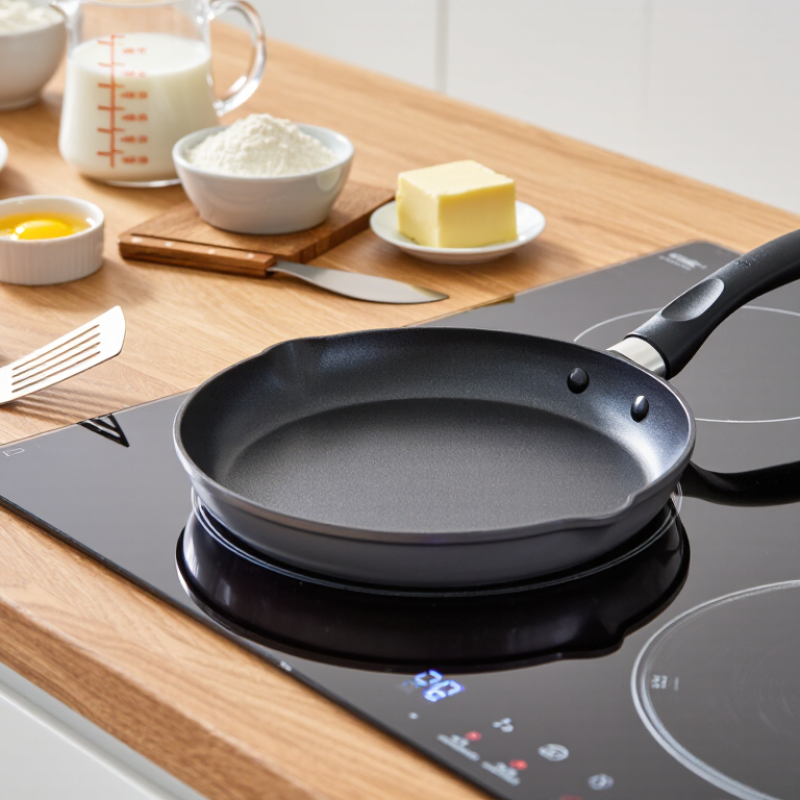
Before choosing a pancake pan, picture your usual breakfast. Do you make two pancakes on a quiet weekday, or feed several people at once? The U.S. Census Bureau’s 2023 American Community Survey reports an average U.S. household size of about 2.5 people. That is a useful reference, not a rule: a small pan may suit solo breakfasts, while a wider cooking surface can reduce repeat batches. Measure your burner, too. A pan that overhangs it may heat unevenly, leaving one side pale and the other too brown.
Tip: Match the pan to your routine. For thin pancakes, look for a low rim that makes flipping easier. If you cook several at once, prioritize usable surface area over a wide handle or bulky edges. Check the pan’s weight in your hand; a heavy pan can feel steady, but tiring to lift repeatedly. Small details matter.
Think about cleanup and storage before buying. A smooth, easy-to-clean surface can help when batter drips near the edge, while a compact pan may fit better in a crowded cupboard. Your stove type matters, so check that the pan is suitable for it. One imperfect but useful test: measure a pancake you already make, then compare that size with the pan’s flat cooking area. A larger pan is not automatically better. It may simply take up more space.
Start with the pan diameter that suits how you cook. These 8-, 10-, and 12-inch options are practical size suggestions, not survey results.
An 8-inch pan suits smaller portions, a 10-inch pan offers an everyday middle ground, and a 12-inch pan provides more room for batch cooking. Also consider the pan’s weight, handle comfort, cooking surface, heat distribution, and compatibility with your stovetop.
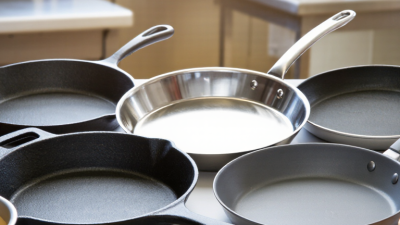
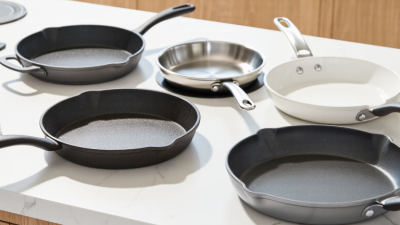
Pan material changes how evenly batter cooks and how much attention it needs. A heavy cast-iron pan holds heat well, helping several pancakes brown consistently, but it takes time to warm and can feel cumbersome. Thin aluminum heats quickly and is easy to lift, though temperature may swing when cold batter hits the surface. A thick base can reduce that problem. Stainless steel is durable, but pancakes may stick unless the pan is properly preheated and lightly greased. That takes practice.
A nonstick Flat Pancake Pan makes flipping easier, especially for delicate first pancakes, but its coating needs gentle utensils and moderate heat. Ceramic-coated surfaces can also release batter well, though their performance may change with wear. Carbon steel offers responsive heating and can develop a useful seasoned surface, but it needs drying and care to limit rust. No material is perfect. Match the pan to your stove, too: a warped base may heat unevenly on a flat electric cooktop. I would check the pan’s weight, handle comfort, and care instructions before buying. Small details matter. A pan that is easy to clean may get used more often than one with impressive heat retention.
Size should match both your appetite and your stovetop. A 10- to 12-inch pan usually leaves room for two or three medium pancakes without crowding. If you cook for several people, a wider Pancake Grill Pan can save time, but check that it sits evenly over your burner. Too wide? The edges may heat less consistently. On a compact stove, a smaller pan is easier to lift and turn, especially when it is full. I have misjudged this before: a pan that fits the cupboard may still feel awkward over the flame.
Shape changes how you use the cooking surface. A round pan works well for classic pancakes and is simple to maneuver. Square or rectangular pans offer more usable corners, handy for cooking several smaller pancakes at once. Measure your cabinet or drawer, too; long handles can make storage surprisingly difficult. Look for a flat base that matches your burner, since a wobbly pan can spread batter unevenly. If you often make pancakes for children, consider whether the cooking area leaves enough space to flip each one without bumping another. Bigger is not always better. A smaller, balanced pan may be the one you reach for most often.
A pancake pan’s cooking surface should feel even, with no rough patches, pits, or raised seams where batter can catch. A smooth surface helps, but it cannot guarantee easy release. Temperature, a clean pan, and a little fat matter too. Too hot, and the underside may brown before the center sets. Too cool, and the pancake can cling.
Keep the first test simple: warm the pan over medium-low heat, wipe on a thin film of oil, and cook one small pancake. Watch its edges; they should firm before you try to flip it.
Coated pans often release delicate batter with less added fat, but the coating needs gentle care. Use silicone or wood utensils, and avoid abrasive scrubbers that can wear the surface. Seasoned cookware may release well, though its performance can vary with its condition and how it is maintained. That variation matters. A shiny surface is not proof that a pan will release pancakes cleanly. Look for an even finish and a flat base that sits steadily on the burner.
If the test pancake tears, wait a little longer before flipping; if it sticks firmly, lower the heat and check that the surface is clean. I still misjudge the timing sometimes, especially with a new pan. A small test batch is useful.
Before choosing a Griddle Pancake Pan, check which heat sources it supports. A flat base usually makes steadier contact with the burner, but compatibility depends on the pan’s material and construction. For induction, the base must be magnetic; a simple magnet test can help confirm this. On gas, a pan should sit securely over the grate without rocking. That small wobble matters. On glass or ceramic cooktops, avoid dragging a heavy pan across the surface, since it may scratch it. Check the maker’s care instructions, too, because some coatings have limits on high heat.
Handle design affects control as much as comfort. Look for a grip that feels balanced when the pan is empty and when you imagine lifting it with a full batch. A long handle can keep your hand farther from the burner, but it needs enough room on the stovetop. Rivets and joints should feel firm, with no looseness. If the handle is metal, assume it can become hot; use a dry mitt and check before gripping. I tend to focus on the cooking surface, then notice the handle only when flipping pancakes. That is an easy mistake. Test the reach and weight before buying, especially if you often move the pan between burners.
A Pancake Skillet Pan should be easy to clean after batter leaves a thin, sticky ring around the edge. A smooth cooking surface usually needs only a soft sponge, warm water, and mild dish soap. Avoid harsh scouring pads unless the care instructions allow them; scratches can shorten the life of some coatings. Check whether the pan is dishwasher-safe, but remember that hand-washing may help preserve its finish. Small detail, real difference. A comfortable handle also matters when you’re wiping the pan or lifting it from the stove.
Durability depends on more than a thick base. Look for a sturdy handle, a flat underside, and materials suited to your cooktop. If possible, hold the pan before buying; a heavy model may feel reassuring in a store but tiring when you flip several pancakes. I used to focus too much on the lowest price. Now I compare the expected lifespan, care requirements, and replacement cost. A modest pan that cleans easily and heats consistently can offer better value than a feature-packed option that needs delicate handling. Still, no pan stays perfect forever, and care instructions can feel fussy. Choose one you’ll actually maintain.
Match the flat cooking area to your usual batch. Measure your burner and a pancake you already make. Bigger is not always better.
A low rim gives a spatula room to slide beneath thin pancakes. A balanced weight also helps when lifting the pan repeatedly.
Warm the clean pan over medium-low heat and wipe on a thin film of oil. Cook one small test pancake. Watch its edges.
The pan may be too cool, dirty, or unevenly heated. Wait until the edges firm before flipping. I still mistime this sometimes.
Test the base with a magnet. If it sticks, the pan may work on induction; check its care instructions to confirm.
Check that the grip feels balanced and the joints feel firm. A long handle stays farther from the burner, but needs space.
Use wood or silicone utensils and avoid abrasive scrubbers. A shiny finish alone does not prove the surface will release pancakes well.
Check its weight, size, and fit in your cupboard. A compact pan may suit a crowded kitchen better. Small details matter.
Choosing the best Pancake Pan starts with understanding how you cook: consider how often you make pancakes, how many you prepare at once, and what kind of stovetop you use. Compare materials such as aluminum, stainless steel, and cast iron, since each heats and retains warmth differently. Choose a size and shape that suit your kitchen and serving needs, and look for a smooth cooking surface that helps pancakes release easily and cook evenly.
Before buying, check that the pan works with your heat source and has a comfortable, secure handle. A design that is easy to clean can make everyday use more convenient, while sturdy construction may offer better long-term value. By weighing cooking performance, ease of use, durability, and price together, you can find a pan that fits your routine and helps you make consistently satisfying pancakes.