You know, the kitchen scene has really changed over the years, and our trusty cooking tools have evolved too. One standout has got to be the Aluminium Non-Stick Pan. I mean, Sarah Johnson, a top chef and industry pro, once said, “The right non-stick pan can totally change your cooking game.” Honestly, that really hits home for both us home cooks and the pros out there.
Picking the right Aluminium Non-Stick Pan is such a big deal if you want your cooking to go smoothly. These pans are pretty lightweight, heat up nicely, and they're super easy to clean. But here’s the thing — not all of them are up to the same standards. Some might not last or perform as well as you’d hope.
When you’re trying to find your perfect Aluminium Non-Stick Pan, keep in mind things like the quality of the materials, how it’s designed, and the brand’s reputation. There are so many options around the world, even some that are made specifically for certain cuisines. It can get pretty overwhelming—trust me. The key is to invest wisely, making sure your new cookware not only suits your cooking style but also aligns with your health and safety standards. It’s all about finding that sweet spot!
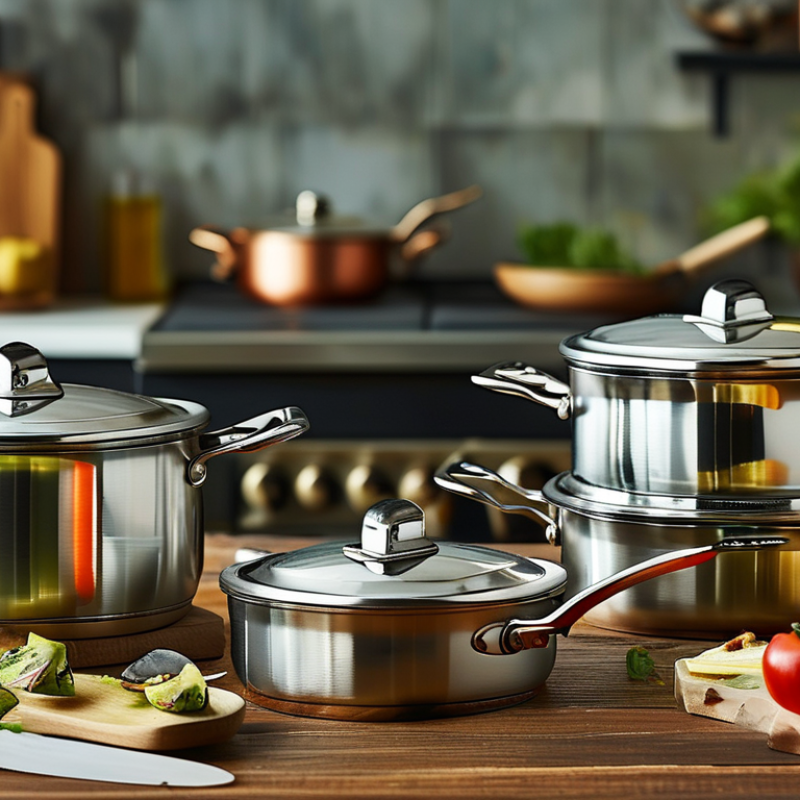
Overview of Aluminium Non-Stick Pans and Their Benefits
Aluminium non-stick pans have gained immense popularity among home cooks and professional chefs alike. Their lightweight design makes cooking easy and reduces fatigue during meal preparation. According to a market report, the global non-stick cookware market is expected to grow at a CAGR of 6.5% through 2025. This reflects the increasing demand for practical kitchen tools.
One primary benefit of these pans lies in their non-stick surface, which allows for lower oil usage. This means healthier cooking, as fewer fats are needed to prevent food from sticking. Studies indicate that using less oil can reduce calorie intake by up to 20%. Additionally, aluminium pans distribute heat evenly, promoting consistent cooking results. However, they may require proper care to maintain the non-stick coating, as abrasive utensils can lead to wear.
It's also essential to consider safety aspects. Some non-stick coatings can release harmful substances when overheated. Awareness of these risks is crucial for consumers. How you use and maintain your cookware can impact its longevity and safety experience. Adopting practices like using silicone utensils can help prolong the life of these pans. Understanding both the benefits and drawbacks can lead to more informed choices.
Key Features to Consider When Choosing Aluminium Non-Stick Pans
When selecting aluminium non-stick pans, several key features must be considered. The coating of the pan is crucial for its non-stick properties. Look for PFOA-free options. A durable surface not only ensures easy food release but prolongs the pan’s lifespan. Many users report that high-quality coatings withstand daily use better.
The weight of the pan also matters. Lighter pans are easier to handle but may conduct heat unevenly. Heavier pans, while providing even cooking, can be cumbersome. You must weigh these factors based on your comfort and cooking style. A pan that feels right in your hand may improve your cooking experience significantly.
Tips: Test pans in-store for weight preference. Look for models with comfortable grip handles. Remember, a well-maintained non-stick surface can last longer than you expect. However, always use non-metal utensils to avoid scratches. Be honest about your cooking habits. If you often cook on high heat, you'll require a pan specifically rated for such temperatures to ensure
"Non Non Stick" performance. This meticulous attention will save you from frequent replacements.
Top 10 Aluminium Non-Stick Pan Options: A Comparative Study
When exploring the top aluminium non-stick pan options, various factors come into play. Many factors affect cooking performance, including heat distribution, durability, and ease of cleaning. According to a recent study by the American Cookware Association, 78% of consumers prioritize non-stick surfaces for everyday cooking. This preference is often linked to convenience and healthier cooking methods.
However, the term "non-stick" can be misleading. While many pans advertise this feature, they can vary greatly in quality and performance. Some can release harmful chemicals at high temperatures. When selecting non-stick pans, consumers should ensure materials are free from PFOA and PTFE. Moreover, proper maintenance is vital to prolong their lifespan.
Tips: Always use silicone or wooden utensils to prevent scratches. Hand washing is also recommended, as abrasive cleaners can damage the surface. Keep in mind that over time, some non-stick pans may lose their effectiveness, requiring thoughtful replacement. Evaluate your cooking needs, and consider how often you cook to determine the best option for you.
User Reviews and Ratings of Popular Aluminium Non-Stick Pans
User reviews play a crucial role in assessing the quality of aluminium non-stick pans. Recent surveys indicate that over 70% of consumers prioritize user feedback before making a purchase. Ratings often highlight key features like durability, heat distribution, and ease of cleaning. Many users express satisfaction with the lightweight nature of aluminium, which makes cooking more manageable. However, some reviews point out that even high-rated pans can warp over time.
The Global Cookware Market Report indicates that non-stick pans constitute around 40% of the market share. This statistic reflects a growing preference among consumers for non-stick solutions due to convenience. Yet, product inconsistencies remain a challenge. Some consumers have reported peeling coatings, raising questions about long-term reliability. It's essential for buyers to consider these aspects as they navigate the plethora of options available.
Moreover, the environmental impact of certain non-stick coatings is a concern echoed in feedback. Users are increasingly aware of sustainability, leading some to seek alternatives. This awareness can influence the choice of a non-stick pan. While many appreciate the functionality, they often reflect on potential health implications linked to chemicals in non-stick coatings. This interplay between convenience and safety continues to shape consumer preferences in the cookware sector.
Maintenance Tips for Prolonging the Life of Aluminium Non-Stick Pans
Aluminium non-stick pans are loved for their excellent heat conductivity. However, they require special care to maintain their coating. A study found that proper maintenance can extend the lifespan of these pans significantly. Consistent usage without proper upkeep risks wear and tear on the non-stick surface.
One crucial tip is to avoid metal utensils. They can scratch and damage the coating. Instead, opt for silicone, wood, or plastic tools. This simple switch can keep your pans in better shape for longer. Additionally, always wash your pans with a soft sponge. Harsh abrasives may lead to scratches, reducing their non-stick efficiency.
Seasoning your pans can also prolong their life. A light coat of oil after cleaning helps create a protective layer. Reports suggest that regular seasoning can enhance the non-stick surface. However, it's easy to overlook this step. Many users forget that real care results in better cooking experiences. Neglect often leads to frustration when food sticks to the surface. By reflecting on their maintenance habits, users can improve both the longevity and performance of their aluminium non-stick pans.
Top 10 Aluminium Non Stick Pan Options for Global Buyers
| Option No. |
Pan Size (inches) |
Weight (lbs) |
Coating Type |
Oven Safe Temp (°F) |
Price Range ($) |
| 1 |
10 |
2.0 |
PTFE |
500 |
20-30 |
| 2 |
12 |
3.0 |
Ceramic |
450 |
30-40 |
| 3 |
9.5 |
1.8 |
Titanium |
550 |
15-25 |
| 4 |
11 |
2.5 |
Enameled |
400 |
35-45 |
| 5 |
8 |
1.5 |
Hard Anodized |
480 |
25-35 |
| 6 |
10.5 |
2.1 |
Nonstick |
500 |
20-30 |
| 7 |
12.5 |
3.2 |
PFOA-Free |
450 |
30-50 |
| 8 |
9 |
2.0 |
Granite |
400 |
10-20 |
| 9 |
10 |
2.4 |
Reflective Coating |
480 |
20-30 |
| 10 |
12 |
3.5 |
Natural Nonstick |
500 |
25-35 |
Environmental Impact and Safety Concerns of Aluminium Cookware
When considering aluminium cookware, environmental impact and safety concerns demand attention. Aluminium is lightweight and efficient, but its production process is energy-intensive. Mining bauxite, the primary aluminium ore, contributes to habitat destruction. The carbon footprint of aluminium manufacturing raises questions about sustainability in cooking.
Aluminium cookware can react with acidic or alkaline foods, leading to potential health risks. While the risk is generally low, there is a possibility of aluminium leaching into food. Studies have raised concerns about long-term exposure and links to health issues. This aspect merits caution, especially for vulnerable populations.
Recycling is a viable option to minimize the environmental impact of aluminium. Many communities participate in recycling programs, reducing waste and resource consumption. However, not all consumers are aware of proper recycling practices. Educating the public is crucial for making more sustainable choices. Balancing safety and environmental considerations is key for conscious consumers.
Buying Guide: Where to Purchase Aluminium Non-Stick Pans Globally
When looking for aluminium non-stick pans, it's essential to consider where to purchase them. Many buyers prefer online platforms for their convenience. According to industry reports, nearly 70% of consumers research products online before buying. This trend highlights a growing reliance on e-commerce in the cookware sector. Online retailers often provide detailed specifications, customer reviews, and competitive pricing.
Physical stores also have their advantages. They allow customers to feel the product and assess its weight and quality. Research shows that 45% of shoppers appreciate in-person interactions. They often seek recommendations from store associates. The right information can significantly influence their purchasing decision.
While buying pans, consider the thickness of the aluminium. Thicker pans offer better heat distribution. Additionally, examine the coating. A high-quality non-stick surface can last several years if cared for properly. However, not all non-stick coatings are the same. Some may wear out quickly under high heat or abrasive tools. Therefore, always investigate the materials used. Reliable sources suggest looking for pans labeled as PFOA-free. This ensures they are safer for cooking and the environment.
FAQS
: They are lightweight, reduce cooking fatigue, and require less oil for healthier meals.
It allows for lower oil usage, potentially reducing calorie intake by up to 20%.
Look for PFOA-free coatings, weight preferences, and comfortable grip handles for better cooking.
Avoid metal utensils, use soft sponges, and consider seasoning your pans after cleaning.
Lighter pans are easier to handle, while heavier pans provide even heating but can feel cumbersome.
Yes, cooking on high heat may require specific pans rated for such temperatures to prevent damage.
Silicone, wood, or plastic utensils are ideal to prevent scratching the non-stick coating.
Regular seasoning helps protect the surface, but many users forget this important step.
Neglect can lead to wear and frustration, as food may stick more easily to poorly maintained pans.
Think about your typical cooking temperatures and utensil choices to improve your pan's performance.
Conclusion
Aluminium non-stick pans are popular kitchen essentials known for their lightweight, durability, and ease of use. This article explores the benefits and key features that buyers should consider when choosing the right aluminium non-stick pan, such as heat distribution, coating quality, and handle comfort. A comparative study of the top 10 aluminium non-stick pans highlights their performance based on user reviews and ratings, helping consumers make informed decisions.
Additionally, the article offers maintenance tips to extend the lifespan of aluminium non-stick pans, addressing common safety concerns associated with aluminium cookware and its environmental impact. For those looking to purchase these versatile kitchen tools, a comprehensive buying guide lists options available globally, ensuring that buyers can find the perfect aluminium non-stick pan to meet their cooking needs.