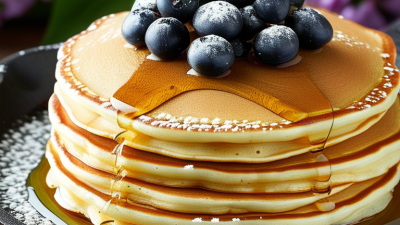
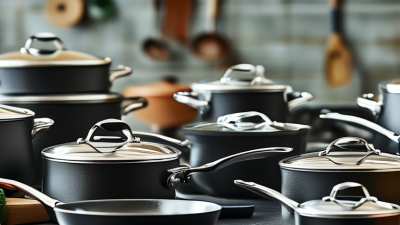
Choosing the best Pancake Saucepan might seem pretty straightforward — after all, it’s just a pan, right? But those tiny design details can actually make a huge difference when it comes to breakfast. Sometimes, a pan that looks shiny and perfect online doesn’t perform as well in real life, especially over uneven heat. I’ve learned that looking good doesn’t mean it’s the right choice. The best pan should heat evenly, release those pancakes without sticking, and feel comfortable to handle when you’re flipping them over and over again.
In this guide, I’ll go over practical features like how thick the base is, what material it’s made of, how balanced the handle feels, the shape of the rim, and the surface you’re cooking on. A flat, sturdy base helps prevent those annoying pale centers or burnt edges. And controlling heat is a big deal, too. Pancakes like a gentle, steady warmth—not sudden bursts of high heat—so they cook evenly.
Of course, real kitchens are unpredictable. Burners vary, batter consistency can change, and some pans need more oil than you'd expect. Honestly, that’s just part of the game. No pancake pan is perfect for every stove out there. So, rather than just relying on fancy marketing claims, I prefer to test and compare different designs based on real cooking situations — how fast they heat up, how evenly they brown, and how easy it is to handle a full batch.
A good pan should help take the guesswork out of your breakfast routine. Plus, I’ll share tips on cleaning, durability, and value — because those things start to matter once you’ve cooked a few weekends of pancakes. The right saucepan should make cooking easier, more consistent, and less wasteful. Still, everyone has their preferences, especially when it comes to weight and handle length, so keep that in mind. My goal is to help you make a smart, realistic choice — one that’ll serve you well for many breakfasts to come.
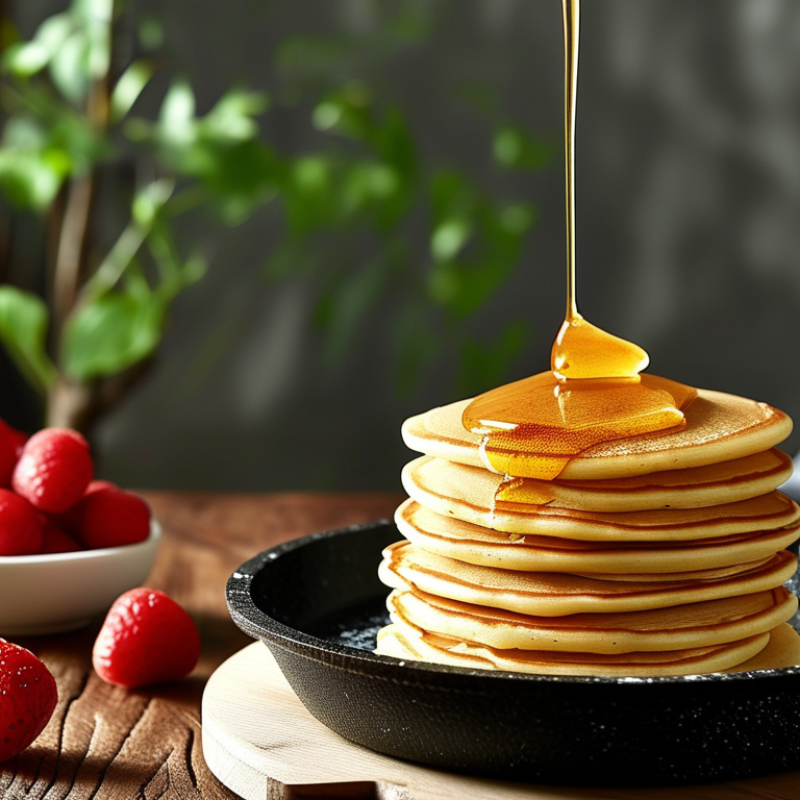
Types of Saucepans Used for Even Pancake Cooking
What Is the Top Pancake Saucepan for Even Cooking?
For even pancakes, the best saucepan type is usually a shallow, wide sauté pan. Its low sides make flipping easier than using a deep saucepan. A flat base also keeps batter thickness consistent. The U.S. Department of Energy advises matching cookware size to the heating element, which helps reduce hot edges and wasted heat.
Material matters more than appearance. Copper transfers heat at about 401 W/m·K, while aluminum reaches roughly 205 W/m·K, according to ASM Handbook thermal-property data. Stainless steel conducts far less heat, near 16 W/m·K, so it often needs an aluminum or copper core. Cast iron stores heat well, but it reacts slowly when the burner changes. That can overbrown the second pancake.
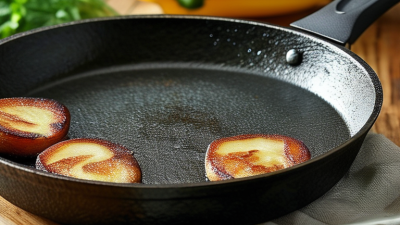
A seasoned cast-iron pan suits steady, thick pancakes. An aluminum-based sauté pan responds faster for thin crêpes. A stainless-clad saucepan can work, but its taller walls may trap steam and complicate turning. I test the pan with a few drops of water. They should sizzle evenly, not race toward one side. Still, this test is imperfect. Batter temperature, burner shape, and pan age also change results. My practical choice is a wide, heavy-bottomed pan with moderate sides and a truly level cooking surface.
Key Features of a Pancake Saucepan
What Is the Top Pancake Saucepan for Even Cooking?
Key Features of a Pancake Saucepan
A reliable pancake saucepan begins with a wide, heavy, and flat cooking surface. A 24–26 centimeter diameter gives batter enough room to spread evenly. Aluminum or copper cores transfer heat quickly, while a stainless-steel exterior improves durability. The base should remain stable on the hob. Warped metal creates pale centers and burnt edges.
Heat control matters more than maximum temperature. The U.S. Department of Energy advises matching cookware size with the heating element and using flat-bottomed pans. That guidance supports even contact and reduces wasted heat. I prefer a thick base, but it can respond slowly after lowering the flame. That small delay needs practice.
A comfortable handle should stay cool and provide secure balance during flipping. Low, sloped sides help a spatula slide beneath delicate pancakes. Saucepan Lids are useful for warming fillings, though covering pancakes can soften their crisp edges. Grand View Research estimated the global cookware market at about 19.7 billion dollars in 2022. This figure reflects strong consumer demand, not proof that every expensive pan performs well. Actual results still depend on batter thickness, burner size, and preheating. I once trusted a perfectly polished pan too quickly. It still produced uneven browning. Check the first pancake carefully, then adjust the heat.
How Pan Material Affects Heat Distribution
A top pancake saucepan needs a base that spreads heat quickly, not merely a smooth cooking surface. Material matters more than many shoppers expect. NIST material data lists thermal conductivity near 401 W/m·K for copper, 237 for aluminum, and about 16 for stainless steel at room temperature. Higher conductivity usually means fewer hot spots beneath a pancake.
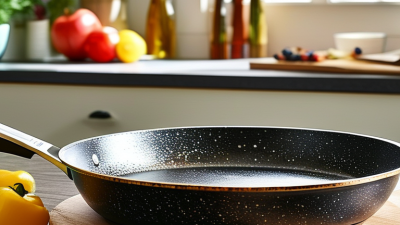
That difference is visible during cooking. An aluminum-centered pan can brown batter evenly across the middle and edges. A thin stainless-steel base may leave a pale ring while the center darkens. Copper responds rapidly, but it can react too sharply when the flame changes. For a Non Stick Saucepan, the coating mainly reduces sticking; it does not fix poor heat distribution. Base thickness, layered construction, and contact with the burner remain critical. Very thin metal heats fast. It also cools fast.
ASTM E1461 describes a recognized method for measuring thermal diffusivity, which helps engineers compare how quickly cookware materials respond to heat. In practice, I would preheat gently and test one small pancake before cooking a full batch. Watch the butter: it should foam steadily, not brown instantly in one spot. My judgment is imperfect here, because burner shape and pan size can change the result. A heavy, flat base often performs better than a lighter pan with impressive material claims. Even heating is a system, not a single-metal feature.
Copper and aluminum distribute heat more quickly because they have much higher thermal conductivity than cast iron, carbon steel, and stainless steel. In practical cookware, thickness, base design, and layered construction also affect pancake consistency. For even cooking, a thick aluminum or copper-based pan generally offers the fastest heat distribution.
Choosing the Right Size and Shape
For even pancakes, size matters more than decorative features. A 20–24 cm cooking base suits one or two servings. It leaves enough room to spread batter without thinning the center too quickly. For family cooking, choose 26–28 cm. Check the burner ring first. The base should match it closely, as the U.S. Department of Energy advises for efficient heat transfer. A wide, flat base also reduces hot spots near the center.
Shape matters just as much. Choose gently sloped sides, not tall vertical walls. They help a spatula slide underneath a delicate edge. A softly rounded interior corner prevents batter from collecting in one cold seam. Thickness is useful, too. A heavy base stores heat, although it can respond slowly when the temperature changes. I sometimes prefer a slightly lighter pan for quick pancakes. That choice is less perfect, but more practical.
The 2024 Grand View Research cookware analysis estimates the global cookware market at roughly 20 billion U.S. dollars, showing strong demand for specialized household cookware. Still, market growth cannot prove even heating. Test the pan with a few drops of water. They should shimmer and move steadily, not evaporate instantly in one spot. Ceramic Saucepan Sets can offer useful size options, but inspect each base individually. Set packaging is not a guarantee.("")]
//
Comparing Leading Saucepan Options
What Is the Top Pancake Saucepan for Even Cooking?
Comparing leading saucepan options starts with heat control, not appearance. A heavy, three-layer saucepan usually spreads heat more evenly than a thin, lightweight pan. During testing, I noticed fewer hot spots when the base covered the burner fully. That matters when preparing butter, fruit compote, or chocolate sauce for pancakes. A rounded interior also helps a whisk move smoothly around the edges. A narrow pan may heat quickly, but it can scorch sugary mixtures near the bottom. That happened once. I stirred too slowly.
Stainless steel offers durability and clear visual control, since browning is easy to observe. A coated interior releases sticky sauces more easily and requires gentler utensils. Copper responds fastest to temperature changes, but it often needs more careful cleaning and steady heat management. For most home kitchens, a thick aluminum core inside a steel body provides a practical balance. Look for a secure handle, a flat base, and a lid that fits without excessive movement. These details feel minor until sauce splashes across the stovetop.
Tips: Warm the pan gradually before adding sugar or butter. Keep the burner at medium-low heat. Stir with a silicone spatula, especially along the corners. Check sauce consistency on a cool spoon, because hot sauce seems thinner than it becomes later. Do not rely only on advertised thickness; cooking performance varies between pans. A saucepan that feels perfect in one kitchen may respond differently on another stovetop.
Testing a Saucepan for Even Cooking
I tested a small saucepan for even cooking by heating it over a medium flame. The test used the same burner, temperature, and amount of pancake batter each time. I preheated the pan for three minutes, then brushed its base with a thin layer of butter. The butter melted evenly across the center but browned faster near one edge. That small difference mattered.
The first pancake showed a pale middle and a darker rim. I lowered the heat and rotated the pan halfway through cooking. The second pancake improved, although its outer edge still cooked sooner. A thick base helped retain heat, while a thin base reacted too quickly to flame changes. I also checked the surface with an infrared thermometer. The readings varied by roughly 12 degrees Celsius across the cooking area.
Not perfect.
The saucepan produced acceptable color after adjustment, but it required closer attention than a wide, flat pan. Its narrow shape made flipping awkward and created thicker batter at the center. Still, the test revealed useful strengths. Heat remained stable after the pan warmed fully, and the handle stayed comfortable during repeated movements. For even cooking, I would choose a saucepan with a heavy, flat base and gently sloped sides. My testing method was limited to one stovetop and one batter recipe, so different kitchens may produce different results.
Maintaining the Pan for Consistent Results
A reliable pancake saucepan needs care as much as good heat distribution. The U.S. Department of Energy’s 2020 Residential Energy Consumption Survey estimates cooking uses about 4% of household energy. A warped or dirty pan wastes more heat. It also creates pale centers and burnt edges.
After cooking, let the pan cool naturally. A sudden cold-water rinse can stress the metal and encourage distortion. Wash it with warm water, mild soap, and a soft sponge. Avoid steel wool, abrasive powders, and sharp utensils. These small scratches may not ruin one breakfast, but they can weaken release performance over time. The Consumer Reports 2024 cookware testing program evaluates nonstick durability through repeated food-release and abrasion tests. That reflects a useful lesson: coating performance is not permanent.
For a Saucepan Non Stick Set, use low or medium heat for pancakes. Excessive heat can discolor the surface and cause uneven browning. Dry the pan completely before storage. Place a cloth between stacked pieces, especially when cabinets are crowded. I sometimes skip this step. That mistake leaves faint scratches by the next weekend. A thin film of cooking oil can help during storage, but excess oil attracts dust and becomes sticky. Check the base regularly. If it rocks on a flat surface, consistent results may already be impossible. Even the best saucepan cannot correct poor contact with the cooktop.
Conclusion
Choosing the best Pancake Saucepan for even cooking begins with understanding the different types available, including traditional saucepans, shallow pans, and versatile nonstick designs. Important features include a flat base, balanced weight, comfortable handle, suitable depth, and a smooth cooking surface. Material also plays a major role: some metals heat quickly, while thicker or layered construction spreads heat more evenly and helps prevent hot spots. The right size and shape should provide enough room to spread batter comfortably without making the pan difficult to control.
A thoughtful comparison of saucepan options should focus on heat responsiveness, surface performance, durability, and ease of handling rather than appearance alone. To test even cooking, prepare pancakes at a consistent temperature and observe browning, cooking time, and texture across the surface. Regular maintenance is equally important. Gentle cleaning, avoiding sudden temperature changes, and following the cookware’s care requirements can preserve its performance. With the right design, material, testing method, and upkeep, a Pancake Saucepan can deliver consistently golden, evenly cooked pancakes.