SPECIALIZED INTEGRATED MANUFACTURER

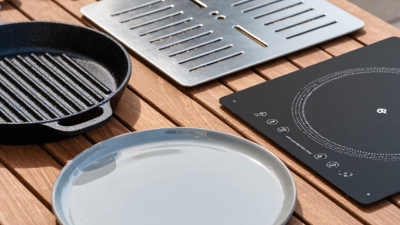
Picking the right Grill Plate? Honestly, it can change a lot: how evenly your food cooks, how much smoke you get, and how much of a pain it is to clean. What works best really comes down to your grill, how you like to cook, and how much upkeep you're willing to do. Cast iron plates hold heat like a champ and give you those dark sear marks on steaks, burgers, veggies. But they also need to be dried carefully and oiled lightly so they don't rust.
Stainless steel plates are lighter and resist corrosion. They're great if you cook a lot, and they handle acidic foods better than bare cast iron. Still, thinner ones can lose heat fast when you slap cold meat on them. Ceramic-coated plates release food more easily and clean up simpler, but the coating can scratch or break down if you use rough tools. A reversible plate gives you options—ridged side for searing, flat side for eggs, seafood, pancakes. Sounds handy. And sometimes it is.
In real-world comparisons, heat distribution matters way more than looks. A well-designed grill plate should sit firmly, leave room for grease to drain, and fit the burner size. Before you buy, check the thickness, handle design, coating instructions, and whether it's dishwasher-safe. Food-safe materials and clear manufacturer info also help you use it safely and reliably.
There's no one-size-fits-all winner.
A heavy cast iron plate might be perfect for weekend grilling, while stainless steel could serve a busy household better. Electric plates can give you steady indoor heat, but they won't really copy live-fire flavor. Even expert advice has limits. In the end, your own testing, cleaning time, and storage space often matter just as much as searing performance.
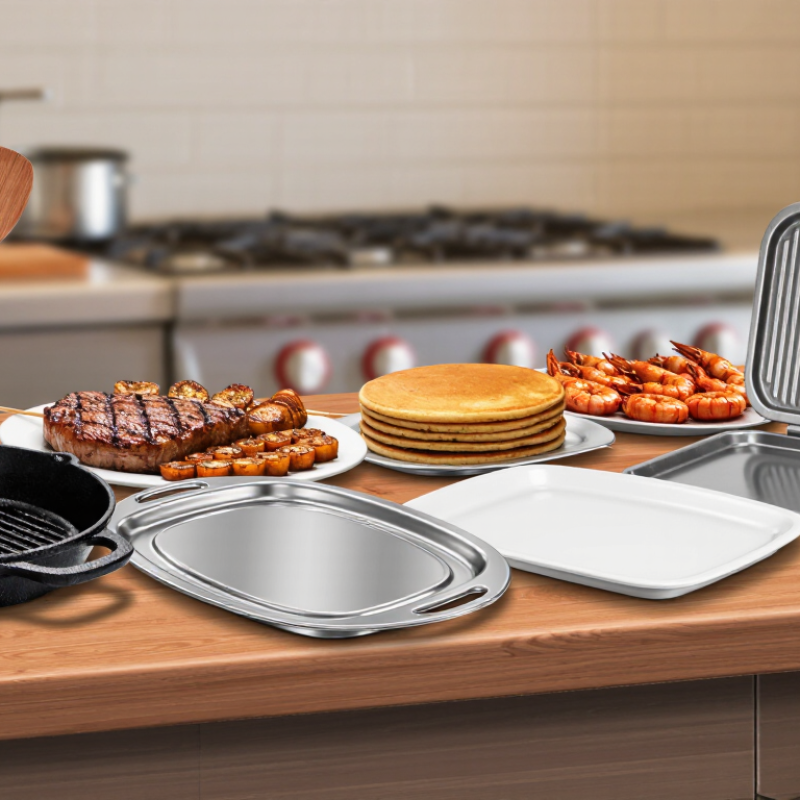
A grill plate is a heated cooking surface placed over a grill, burner, or fire. It transfers heat through direct contact, rather than relying only on hot air. Ridged plates create seared lines and drain some fat. Flat plates offer more contact, making eggs, vegetables, seafood, and small foods easier to manage.
The main types include cast iron, stainless steel, and coated steel or ceramic plates.
Cast iron stores heat well, so it can brown a steak after the surface recovers from a cold food load. Stainless steel heats faster and resists rust, but thin models may develop hot spots.
Coated plates release food more easily, although scratches and extreme heat can reduce their performance. In practice, thickness matters as much as material.
Heat control remains the real test.
The U.S. Department of Agriculture recommends 165°F for poultry, 160°F for ground meat, and 145°F for whole cuts of beef with a rest period. A reliable thermometer is more trustworthy than color or grill marks.
The National Fire Protection Association reported an average of 11,890 home structure fires involving grills, hibachis, or barbecues each year from 2017 to 2021. Grease channels, stable placement, and regular cleaning therefore matter.
I once assumed darker grill marks meant better cooking. That was not always true.
A plate can look impressive while leaving the center underheated. Surface temperature and food temperature are different measurements.
What Are the Top Types of Grill Plates?
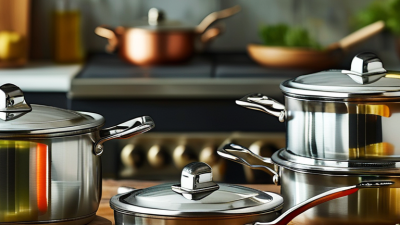
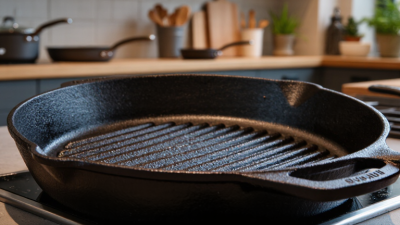
A Plate Grill can be cast iron, stainless steel, carbon steel, or coated aluminum. Each material changes heat retention, maintenance, and cooking texture. Cast iron holds heat exceptionally well, creating dark sear lines on thick vegetables and steak. It is heavy, though, and poor drying can encourage rust. Stainless steel resists corrosion and cleans more easily. However, thin stainless plates may develop hot spots over a small burner.
Construction matters as much as material. Solid plates retain heat better than stamped sheets, while perforated plates improve airflow and allow smoke contact. A raised-ridge surface drains fat into channels, but those channels can be awkward to scrub. Flat plates suit eggs, seafood, and small vegetables. Reversible designs offer both surfaces, although the hinge or edge may collect residue.
Industry data gives useful context. Grand View Research valued the global outdoor cooking equipment market at about 5.1 billion dollars in 2023, with continued growth projected through the decade. Technavio also identifies material durability and product versatility as important purchasing factors in grill equipment. These reports support a practical point: construction affects value over time, not just cooking performance.
I prefer thicker plates for steady heat. That choice is not perfect. They take longer to warm and become difficult to lift after cooking. A lighter plate feels convenient, but temperature recovery can disappoint when cold food covers its surface. Check plate thickness, drainage design, handle strength, and cleaning access before judging by appearance alone.
| Grill Plate Type | Primary Material | Typical Construction | Heat Response | Heat Retention | Surface Characteristics | Cleaning and Care | Best Uses | Main Limitations |
|---|---|---|---|---|---|---|---|---|
| Cast-Iron Grill Plate | Cast iron, usually seasoned or enamel-coated | Thick, one-piece cast construction with raised ridges, a flat side, or both | Moderate | Excellent | Creates strong sear marks and maintains a stable cooking temperature | Season bare iron regularly; dry immediately; avoid prolonged soaking. Enamel-coated versions need less seasoning. | Steaks, burgers, vegetables, and high-heat searing | Heavy; bare iron can rust if not maintained; slow to heat and cool |
| Carbon-Steel Grill Plate | Carbon steel | Pressed or rolled steel sheet, often with a ridged or reversible cooking surface | Fast to moderate | Very good | Smooth, responsive surface that becomes more nonstick as seasoning develops | Season and dry after washing; avoid harsh detergents and long exposure to water | Stir-frying, searing, flat-top cooking, and frequent temperature changes | Can warp if overheated or cooled suddenly; requires seasoning care |
| Stainless-Steel Grill Plate | Stainless steel | Stamped or fabricated plate; some models use a layered or bonded base for better heat distribution | Fast to moderate | Moderate | Nonreactive, durable surface; food may stick more readily without adequate preheating or oil | Generally easy to wash; discoloration and stuck-on food may require soaking or a nonabrasive cleaner | Fish, shellfish, acidic marinades, and general-purpose grilling | Usually provides less heat retention than thick cast iron; can develop hot spots in thin designs |
| Enameled Cast-Iron Grill Plate | Cast iron with a vitreous enamel coating | Heavy cast-iron core covered by a glass-based enamel surface | Moderate | Excellent | Good searing performance with a nonreactive surface that does not require seasoning | Use nonmetal utensils when recommended; avoid thermal shock and abrasive cleaners | Long grilling sessions, acidic foods, and users who want cast-iron performance with simpler care | Heavier and typically more expensive; chipped enamel can expose the iron underneath |
| Hard-Anodized Aluminum Grill Plate | Hard-anodized aluminum, sometimes with a nonstick coating | Machined or cast aluminum body with a hardened oxidized surface | Very fast | Low to moderate | Lightweight and responsive; often offers a smoother release than uncoated metal | Follow the coating instructions; avoid overheating coated versions and abrasive tools | Portable grills, quick cooking, vegetables, and foods needing easy release | Does not hold heat as long as cast iron; coated surfaces can wear over time |
| Aluminum Grill Plate | Cast or stamped aluminum | Lightweight plate, sometimes with a bonded steel layer or a nonstick finish | Very fast | Low | Heats quickly and is easy to handle; thin plates may create uneven browning | Usually simple to clean; avoid metal utensils on nonstick surfaces | Camping, portable cooking, delicate foods, and short grilling sessions | May lose temperature quickly when cold food is added; thin plates can warp |
| Ceramic-Coated Grill Plate | Metal base with a ceramic-based nonstick coating | Aluminum or steel core covered with a ceramic coating; may be flat, ridged, or reversible | Fast to moderate | Moderate | Low-stick surface with little oil required; coating performance depends on temperature and care | Hand-wash when possible; use soft utensils and avoid abrasive cleaners or sudden temperature changes | Low-oil cooking, fish, vegetables, and indoor or outdoor griddling | Coating can degrade from overheating, scratching, or repeated dishwasher use |
| Reversible Grill and Griddle Plate | Commonly cast iron, carbon steel, or coated aluminum | One ridged side for grilling and one flat side for griddling | Depends on core material | Depends on core material | Provides two cooking surfaces in one plate; flat side suits pancakes and pressed sandwiches | Care requirements follow the material and coating on both sides; allow the plate to cool before washing | Mixed menus, compact kitchens, burgers, eggs, pancakes, and vegetables | Often heavy; turning the plate can be awkward; grooves and edges may require extra cleaning |
| Perforated Grill Plate | Usually stainless steel, carbon steel, or aluminum | Plate with holes or slots that allow heat and smoke through while supporting small foods | Fast to moderate | Low to moderate | Helps prevent small pieces from falling through grates while allowing some direct-grill exposure | Clean openings thoroughly to remove grease and food residue; dishwasher suitability depends on the finish | Shrimp, sliced vegetables, mushrooms, diced meat, and delicate foods | Usually gives less direct searing than open grates; thin versions may deform under high heat |
| Solid Flat-Top Grill Plate | Cast iron, carbon steel, stainless steel, or aluminum | Continuous flat cooking surface with no openings; may include a grease channel | Depends on thickness | Moderate to excellent | Prevents small foods from falling through and preserves juices for griddle-style cooking | Remove grease after cooking; bare steel and iron require drying and seasoning | Burgers, breakfast foods, chopped vegetables, seafood, and smash-style cooking | Can reduce exposure to open-flame smoke; grease management is important |
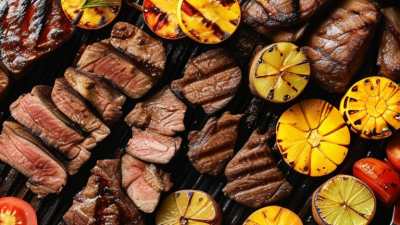
Grill plates come in cast iron, stainless steel, ceramic, and coated metal varieties. Cast iron grill plates remain a strong choice for high-heat cooking. Their dense material absorbs heat slowly and releases it steadily. This helps create dark sear marks on steak, chicken, mushrooms, and thick vegetable slices. A Gas Grill Plate made from cast iron also handles direct flame well when used correctly.
I usually preheat the plate for several minutes before adding food. A drop of water should sizzle and disappear quickly, but the surface should not smoke heavily. Lightly oil the food rather than flooding the hot plate. This reduces flare-ups and supports more even browning. Cast iron also works well for smaller foods, such as prawns or chopped peppers, that might fall through open grates. Keep the heat controlled.
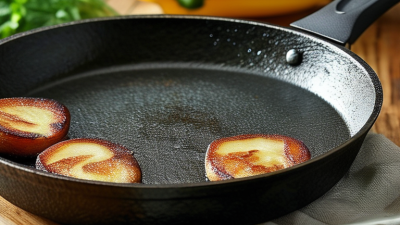
After cooking, I scrape away residue while the plate remains warm. A small amount of hot water can loosen stubborn bits. Dry it immediately, then apply a thin layer of cooking oil to protect the surface. I once left a wet plate overnight, and rust appeared by morning. That mistake was avoidable. Cast iron is durable, but it is not maintenance-free. Thick plates can also become extremely heavy and retain heat long after the burners are off. Use heat-resistant gloves and allow enough cooling time before cleaning or storing.
What Are the Top Types of Grill Plates?
Stainless steel grill plates remain a practical choice for versatile grilling. They handle high heat, resist rust, and suit gas, charcoal, and electric grills. Their smooth surface supports vegetables, shrimp, sliced meat, and smaller foods that might fall through open grates. A perforated plate adds smoke exposure while protecting delicate ingredients. A flat plate creates an even cooking area for eggs, pancakes, or chopped vegetables.
Market demand supports this flexibility. Grand View Research valued the global barbecue grill market at approximately USD 5.7 billion in 2023. Its report also projected continued growth through 2030. That expansion reflects broader interest in outdoor cooking equipment, including replaceable and specialized cooking surfaces. Stainless steel plates also offer a useful balance between durability and manageable cleaning. However, thickness matters. Thin steel can warp under repeated heat changes. I still check the plate after preheating.
Safe cooking requires more than a strong material. The U.S. Department of Agriculture recommends 165°F for poultry, 160°F for ground meats, and 145°F for whole cuts with a rest period. A stainless steel plate transfers heat quickly, but crowded food can create cold spots. Use an instant-read thermometer. Keep one cooler zone.
Cleaning habits affect performance. Remove residue after cooking, wash with warm water, and dry the plate completely. Avoid harsh tools that leave deep scratches. Stainless steel is dependable, not indestructible. Its real advantage is control: one surface can sear, sauté, toast, and protect fragile food during the same outdoor meal.
Grill plates come in cast iron, stainless steel, ceramic-coated, and nonstick designs. Nonstick models suit cooks who value quick release and easier cleaning. A Bbq Grill Plate with a smooth coating can lift delicate fish, sliced vegetables, and eggs without aggressive scraping.
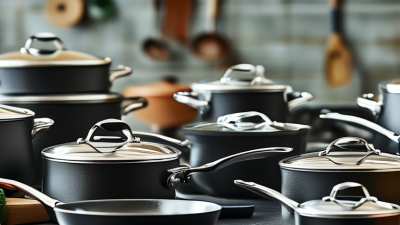
The coating matters most during busy cooking. Less sticking means fewer torn foods and less oil around the surface. A 2024 Grand View Research analysis valued the global cookware market at more than 19 billion U.S. dollars in 2023, reflecting continued demand for practical home cooking equipment. Yet nonstick performance depends on care. Moderate heat, wooden or silicone tools, and gentle hand washing help protect the finish. Metal utensils can leave fine scratches that are easy to miss.
USDA Food Safety and Inspection Service guidance recommends using a food thermometer, with poultry reaching 165°F (74°C). A nonstick plate does not replace safe temperature checks.
Wipe grease with a soft sponge while the plate is still slightly warm. Do not pour cold water onto a very hot surface. I have found that “easy-clean” does not mean maintenance-free. Burned sugar and thick marinades can still form stubborn patches. A removable plate is useful, but its edges may trap residue after repeated grilling.
Flat, ridged, and reversible grill plates suit different cooking habits. A flat plate provides an even surface for eggs, pancakes, vegetables, and delicate fish. It also makes turning food easier, especially when pieces are small. However, it may not create the browned lines many people expect from grilling.
Ridged plates lift food above melting fat and create visible sear marks. They work well for steaks, chicken, sliced courgettes, and firm sandwiches. The grooves can improve texture, but they also need careful cleaning. Burned marinade often hides inside them. A reversible plate combines both designs, giving you a smooth side and a ridged side. This flexibility saves storage space. Still, changing sides can be awkward when the plate is hot, and I sometimes choose the wrong surface for the meal.
Tips: Preheat the plate before adding food. Lightly oil ridges with a brush, not a deep pour. Leave space between pieces for better browning. For a flat surface, blot wet ingredients first; excess moisture can cause steaming instead of searing. After cooking, let the plate cool slightly before washing it. Check the manufacturer’s care guidance, because some surfaces resist harsh scrubbing better than others. My own results are not always perfect, particularly with thin fish, which can tear even on a well-heated plate.
What Are the Top Types of Grill Plates?
Choosing the right Grill Bbq Plate starts with your cooking habits, not its appearance. Cast iron plates hold steady heat and create deep sear marks on steaks, burgers, and vegetables. They are heavy, though, and need drying and light oiling after cleaning. Stainless steel plates heat quickly and resist rust, but food may stick when the surface is too cool. A perforated plate works well for shrimp, sliced peppers, and smaller foods that might fall through the cooking grate.
Think about your grill size and heat source before buying. A plate should sit securely without blocking all airflow. For delicate fish or low-fat foods, a smoother surface can reduce tearing. For fatty meats, shallow channels help move grease away from the food. I once selected a plate that was too large for my grill. It cooked unevenly. That mistake changed how I measure usable space.
Check the plate’s thickness, handles, drainage design, and cleaning requirements. Thicker metal usually gives more stable heat, but it takes longer to warm. Nonstick coatings can simplify cleanup, yet they require careful utensil use and moderate temperatures. Always follow the cooking surface’s care instructions. A thermometer is more dependable than judging heat by appearance. Small details matter. The best choice balances cooking performance, maintenance time, storage space, and the foods you prepare most often.
Common options include cast iron, stainless steel, ceramic-coated, and nonstick plates. Each suits different cooking habits.
Cast iron absorbs heat steadily and creates strong sear marks on steak, chicken, mushrooms, and vegetables. Heat lingers.
Heat it for several minutes before cooking. A water drop should sizzle away quickly, but heavy smoke signals excessive heat.
Lightly oil the food instead of flooding the plate. Keep the heat controlled, especially when cooking fatty ingredients.
Nonstick surfaces suit delicate fish, sliced vegetables, eggs, prawns, and other foods that may tear during turning. Gentle release helps.
Use wooden or silicone tools. Metal utensils can create small scratches that gradually weaken the coating.
Scrape residue while the plate remains warm, then use a little hot water for stubborn pieces. Dry it immediately and apply a thin oil layer. Keep it dry.
No. Use a food thermometer, especially for poultry, which should reach 165°F (74°C). A clean surface cannot confirm safe cooking.
Yes. Thick plates retain heat for a long time and may become heavy to handle. Use heat-resistant gloves and allow complete cooling.
Leaving cast iron wet can cause rust overnight. Pouring cold water onto a very hot plate may cause damage. I still sometimes underestimate stored heat.
A Grill Plate is a practical cooking surface designed to provide steady, direct heat for grilling foods indoors or outdoors. Its construction and material affect how quickly it heats, how evenly it cooks, and how well it retains temperature. Cast iron plates are excellent for high-heat cooking and creating deep seared marks, while stainless steel plates offer durability, versatility, and easier handling. Nonstick plates support easy food release and simplify cleanup, making them convenient for everyday meals.
Grill plates are also available in flat, ridged, or reversible designs. Flat surfaces work well for delicate foods, vegetables, and smaller ingredients, while ridges create attractive grill marks and allow excess fat to drain away. Reversible plates combine both options in one tool. When choosing a Grill Plate, consider the foods you prepare most often, your preferred cooking temperature, maintenance requirements, available cooking space, and whether you need portability or multiple cooking surfaces.