DAFEIT
over 100,000 square meters

SPECIALIZED INTEGRATED MANUFACTURER

Leave Your Message
0%

Global sourcing is changing the way cookware buyers think about performance, durability, and whether a factory is actually reliable. In 2023, the global cookware market was worth about USD 19.89 billion, according to Fortune Business Insights, and its report expects growth to keep going through 2032. That's opportunity, sure. But it's also confusing. A shiny, polished sample can look great and still hide weak rib geometry, handles that don't feel stable, or seasoning that's all over the place.

That's why a Grill Skillet Top deserves a closer technical look. Buyers should check rib height, how flat the surface is, wall thickness, coating adhesion, and heat distribution. A 4-millimeter base won't behave the same as a thinner commercial sample. You notice it when oil pools beside the steak instead of draining between the ridges. Induction compatibility matters, too—and so do carton strength, salt-spray testing, and traceable batch records.

Brock Hensley, CEO of Lodge Cast Iron, has said, “Our products are designed to last for generations.” That idea pushes sourcing standards higher. Longevity should be tested, not just promised. Reports from Grand View Research also point to growing consumer interest in durable, multifunctional cookware. Still, market forecasts can't replace factory audits or independent performance tests. And honestly, this is where the article has to show some humility. Supplier claims can look very precise, but small production changes can shift results. So a reliable Grill Skillet Top comes down to verified materials, repeatable manufacturing, and real cooking evidence. It should sear evenly, release food predictably, and survive repeated cleaning. The best choice isn't always the cheapest quote. Sometimes the quieter supplier is the safer bet.
Why Choose a Grill Skillet Top for Global Sourcing?

Definition and Function of a Grill Skillet Top

Why Choose a Grill Skillet Top for Global Sourcing?

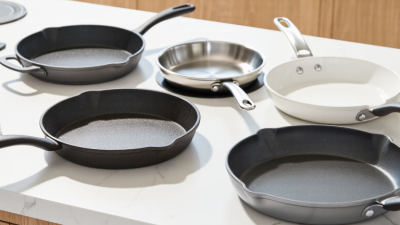
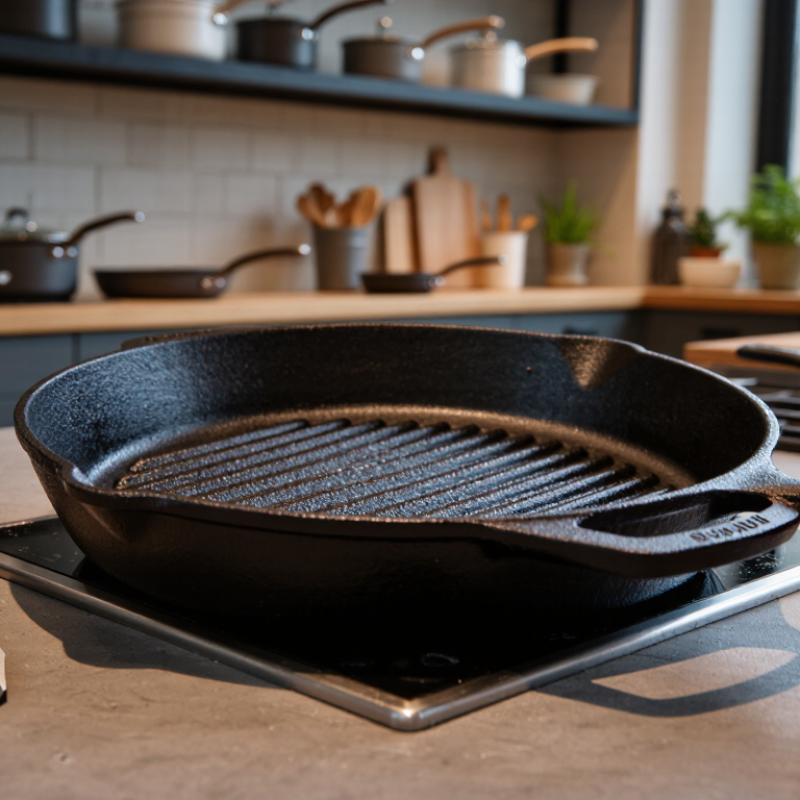
A grill skillet top is a ridged cooking surface fitted over a skillet base. It may be made from cast iron, carbon steel, or multilayer aluminum. The raised ribs contact food directly, while the grooves collect excess oil and released juices. This design supports grilling, searing, and indoor cooking with one compact component. It is a practical option for kitchens with limited space.

Its function depends on heat stability and surface geometry. A well-designed top distributes heat across the cooking area and creates visible grill marks on vegetables, meat, and bread. The grooves should remain deep enough to reduce contact with liquid. However, very deep ribs can make cleaning difficult. That trade-off is easy to overlook.

The global cookware market was valued at about USD 19.7 billion in 2024, according to Fortune Business Insights. Grand View Research also reports continued demand for multifunctional cookware and space-saving kitchen products. These figures support interest in adaptable skillet systems, but market data does not guarantee product performance. Sourcing teams should verify heat retention, coating durability, handle strength, and cleaning tests. I have found that small differences in rib spacing can change cooking results. A prototype may look excellent, yet perform unevenly on induction surfaces. Supplier samples, third-party testing, and material certificates remain essential for reliable purchasing decisions.

Key Materials and Manufacturing Features

Why Choose a Grill Skillet Top for Global Sourcing?

Key Materials and Manufacturing Features

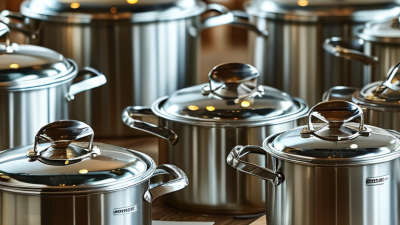
Material selection shapes the skillet top’s heat performance, weight, durability, and purchasing cost. Cast iron stores heat well and creates strong searing marks. However, it is heavy and may require seasoning to resist surface rust. Stainless steel offers corrosion resistance and easier maintenance. Its heat distribution can be weaker without an aluminum core or bonded base.

Aluminum reduces handling weight and transfers heat quickly. Yet, softer aluminum can scratch or deform during rough transport. A reliable supplier should state the alloy, thickness, surface treatment, and maximum working temperature. These details matter more than polished product photos. For coated surfaces, buyers should inspect adhesion, edge coverage, and repeated heating performance. Coatings can wear sooner than expected.

Manufacturing control also affects daily use. Consistent casting prevents thin spots and unstable cooking surfaces. CNC finishing can improve flatness around the rim and contact area. Drain holes, raised ridges, and handle joints need clean edges without sharp burrs. During factory audits, request dimensional reports, coating checks, and heat-cycle samples. Small variations may be acceptable, but uneven bases can cause poor contact and unstable cooking. I have found that packaging tests deserve equal attention. A strong skillet can still arrive damaged if separators are too weak. Temperature claims should also be verified. Not every attractive specification survives real kitchen use.

Advantages for International Sourcing

For international sourcing, a Grill Top Pan offers a practical balance between cooking performance and purchasing flexibility. Its ridged surface creates visible grill marks while allowing excess fat to drain. Buyers can specify cast iron, aluminum, or coated steel, depending on weight, heat retention, and target price. This material choice supports sourcing from multiple manufacturing regions. That matters.

The WTO’s Global Trade Outlook and Statistics reported a 1.2% decline in global merchandise trade volume in 2023, followed by a projected 2.6% increase in 2024. Such movement makes supplier diversification more valuable. A standardized Grill Top Pan specification can be compared across factories without redesigning the product. Procurement teams can evaluate wall thickness, handle attachment, coating durability, packaging volume, and inspection methods. Small details affect landed cost.

International sourcing also improves market adaptability. A square pan may suit compact kitchens, while a double-sided model may appeal to outdoor cooking users. However, the lowest quotation can hide higher freight costs, inconsistent seasoning, or increased defect rates. This is where careful sampling and third-party inspection help. The process is not perfect. Supplier audits can miss production changes. Specifications should therefore include heat testing, surface checks, drop testing, and clear acceptance limits. A detailed product file makes communication easier across languages, time zones, and factories. It also supports more reliable reordering when demand changes.

Compatibility with Global Cooking and Retail Markets

A Stove Top Grill Pan fits kitchens where ovens, fuels, and cooking habits differ. In global sourcing, compatibility matters more than appearance. A pan should sit steadily on gas, electric, ceramic, and induction surfaces. Yet induction performance depends on base material and contact quality. We test heat distribution with flat foods, marinades, and repeated reheating. Real kitchens are rarely perfect. Some models develop hot spots.

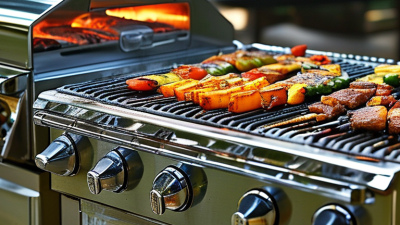
For global retail markets, practical details shape purchase decisions. Buyers often compare handle comfort, pouring edges, weight, and storage size. Grooved surfaces create sear lines, while channels help separate food from excess fat. However, deep grooves can complicate cleaning. That trade-off deserves honest product information. Packaging should show compatible cooktops, care instructions, dimensions, and usable cooking area. Clear details reduce returns and support reliable merchandising.

Different cuisines also test the design. A household may prepare flatbreads, grilled vegetables, seafood, or marinated meat on one pan. The surface needs controlled heat, not only high heat. For export planning, nesting efficiency and protective packaging can reduce transport damage. Retail teams should verify coating durability, food-contact documentation, and local labeling requirements before listing. Requirements vary by market. No single grill top suits every household. Post-launch feedback may reveal missing sizes, awkward handles, or uneven heating. That feedback improves the next sourcing decision.

Why Choose a Grill Skillet Top for Global Sourcing? – Compatibility with Global Cooking and Retail Markets
Market or Cooking Environment Common Cooking Surface Recommended Grill Skillet Features Typical Use Cases Retail and Sourcing Checkpoints
Gas Stovetops Open-flame burners Stable base, heat-resistant handle, and a cooking surface that distributes heat evenly Steaks, vegetables, flatbreads, seafood, and grilled sandwiches Confirm that the base sits securely on burner grates and that the handle remains clear of direct flame
Electric and Ceramic Cooktops Solid or radiant heating zones with smooth surfaces Flat, smooth underside; controlled weight; no rough base that could scratch the cooktop Daily grilling, indoor cooking, and batch preparation Specify base diameter and surface finish; avoid sharp casting marks or uneven contact points
Induction Cooktops Magnetic induction zones Magnetic cooking base, sufficient base contact, and compatibility testing across common induction zones Energy-efficient indoor grilling and quick preheating Do not claim induction compatibility unless the finished product passes heating and detection tests
Ovens and Broilers Conventional, fan-assisted, or broiler heating Oven-rated body and handle, strong thermal resistance, and clear maximum-temperature instructions Searing followed by roasting, baked vegetables, and oven-finished meats State whether the handle, lid, coating, and detachable parts are oven-safe; include care instructions
North American Retail Market Gas, electric, ceramic, induction, and oven cooking Versatile 10–12 inch class, helper handle, pour points, and strong packaging protection Family-size portions, burgers, steaks, bacon, and vegetables Use inch and metric dimensions where possible; provide weight, care, warranty, and cooking-surface compatibility information
European Retail Market Gas, ceramic, electric, induction, and compact ovens Compact footprint, induction-ready base, efficient packaging, and clear multilingual instructions Portion-controlled meals, grilled vegetables, fish, and indoor cooking Provide metric measurements; review food-contact, labeling, packaging, and chemical-compliance requirements for the destination market
United Kingdom and Ireland Gas, ceramic, electric, induction, and ovens Compact storage profile, secure handle, induction option, and easy-clean cooking surface Indoor grilling, breakfast foods, meat, vegetables, and one-pan meals Use metric dimensions and include recycling, care, and safe-use information appropriate to the sales channel
East and Southeast Asian Markets Gas, electric, induction, tabletop cookers, and compact kitchens Smaller diameters, fast heat response, lightweight handling, and space-efficient storage Sliced meat, seafood, tofu, vegetables, pancakes, and shared-table grilling Offer compact formats; verify compatibility with portable induction and tabletop burner sizes
Middle Eastern and South Asian Markets Gas, electric, induction, and high-heat cooking environments High-heat-capable body, durable cooking surface, generous capacity, and secure grip Kebabs, flatbreads, paneer, vegetables, chicken, and spiced meat dishes Prioritize durability and heat performance; show cleaning instructions for oil, spices, and carbonized residue
Australia and New Zealand Gas, electric, ceramic, induction, and ovens Outdoor-to-indoor versatility, strong construction, easy handling, and clear oven limits Meat, seafood, vegetables, breakfast foods, and compact indoor grilling List metric dimensions, product mass, cleaning method, and storage requirements for both retail and online listings
Global E-Commerce Channels Multiple household cooking systems Universal-use positioning, accurate dimensions, product photography, and searchable compatibility information Everyday grilling, meal preparation, and gift purchases Display external size, cooking area, weight, material, coating status, handle dimensions, compatible cooktops, and care instructions
Global sourcing note: Cooking-surface compatibility depends on the final construction, base design, coating, handle materials, and supplier test results. Induction compatibility specifically requires a magnetic base and should be verified using representative cooktops before production approval.

Quality, Safety, and Compliance Requirements

Why Choose a Grill Skillet Top for Global Sourcing?

Quality, Safety, and Compliance Requirements

An Indoor Grill Stove Top must deliver even heat without creating avoidable safety risks. In sourcing projects, I examine the skillet body, ridges, handle joints, and surface finish before reviewing price. Uneven ridges can burn food in narrow lines. Loose handles can become dangerous during lifting. Small details matter. Material specifications should identify the metal grade, coating type, and food-contact suitability. Samples also need repeated heating and cooling, not only a visual inspection.

Safety testing should reflect real kitchen use. I recommend checking handle temperature, thermal shock resistance, coating adhesion, and deformation after extended heating. A third-party laboratory can test migration levels for food-contact surfaces. Requirements differ between countries, so suppliers should prepare market-specific declarations, test reports, and traceability records. Records protect everyone. Packaging should also prevent scratches, moisture damage, and missing instructions during transport.

Compliance is not only a certificate in a file. It includes accurate labeling, care instructions, warning language, and consistent production control. A factory may pass one sample and still vary across later batches. That deserves attention. Pre-shipment inspections can compare dimensions, weight, surface quality, and handle stability against approved samples. I have found that photographs help, but they cannot replace physical checks. A practical sourcing plan leaves room for retesting when coating wear or heat performance raises questions.

Supplier Evaluation and Cost Considerations

A Gas Stove Top Grill Plate can look simple, but supplier evaluation is rarely simple. Material grade, heat distribution, surface finish, and handle strength affect the real purchase cost. The 2023 World Bank Logistics Performance Index shows wide differences in customs efficiency, shipment tracking, and delivery reliability across sourcing markets. These differences can quietly increase inventory costs.

Ask suppliers for material certificates, dimensional drawings, coating specifications, and thermal-cycle test records. A practical test should heat the plate repeatedly, check for warping, and measure temperature variation across the cooking surface. It should also examine oil retention around grooves. Small gaps matter. The supplier’s quality system matters too, but certificates alone cannot replace production inspection.

Cost comparison should use landed cost, not factory price. Include tooling, samples, inspection, packaging, inland transport, duties, and possible rework. The UNCTAD Review of Maritime Transport has documented continued exposure to freight disruption and changing transport costs, so delivery assumptions need written evidence. A cheaper casting may require thicker packaging or produce more rejects. That is not cheaper.

I would request quotations at several order volumes. Then compare defect allowances and replacement terms. A 2% lower unit price may be meaningless if the first shipment arrives late or unevenly finished. Suppliers should explain their process clearly, even when the answer is imperfect. Some quotations will still hide costs. That deserves another question.

Why Choose a Grill Skillet Top for Global Sourcing?

A grill skillet top can support global sourcing when suppliers are evaluated across quality, food-contact safety, capacity, landed cost, lead time, and sustainability. The chart presents a practical 100-point supplier evaluation model for procurement planning.

How to read the chart: Quality consistency and food-contact safety receive the highest evaluation weights because they directly affect product reliability and regulatory compliance. Landed cost remains important, but it should be assessed together with tooling, packaging, freight, inspection, and potential rework costs.

Universal Aluminum Ceramic Cookware Set: China Supplier Guide from 2024 Grand View & Fortune Business Insights Reports

The global cookware market is showing steady expansion as consumers seek versatile, durable, and easy-to-clean kitchen products. Fortune Business Insights reported that the market was valued at approximately USD 19.92 billion in 2023 and projected it to reach about USD 30.59 billion by 2032, reflecting continued demand for practical cookware solutions. Grand View Research also identified sustained market growth through 2030, supported by urbanization, home cooking, and interest in multifunctional products. These trends make a universal aluminum ceramic cookware set an attractive option for modern households and professional distributors.

Sourced from experienced manufacturers in China, this cookware set is designed to reduce compatibility concerns across different kitchens. Its flat, thickened magnetic conductive base supports stable heat transfer on induction, electric, ceramic, and gas stoves, while the lightweight aluminum body promotes efficient handling and responsive cooking. The ceramic nonstick surface helps simplify food release and daily cleaning, making the set suitable for preparing everything from delicate eggs to family-sized meals. For importers and retailers, a factory-direct supply model can support consistent production, quality control, and customization opportunities. The combination of universal usability, durable construction, and contemporary ceramic coating aligns with the market’s increasing preference for efficient, space-conscious cookware.

FAQS

Which materials are commonly used for a grill skillet top?

Cast iron stores heat well and creates strong searing marks. It is heavy and may need seasoning against surface rust. Stainless steel resists corrosion and cleans easily. Aluminum is lighter and heats quickly. Weight matters.

What material specifications should buyers request?

Request the metal grade, thickness, surface treatment, and maximum working temperature. For coatings, inspect adhesion and edge coverage. Check repeated heating performance. Polished photos are not enough.

How can buyers test heat performance?

Heat the skillet repeatedly and measure temperature differences across the cooking surface. Check for warping after cooling. Inspect grooves for trapped oil. Real use differs.

What safety checks are important?

Check handle temperature, thermal shock resistance, coating adhesion, and deformation. Examine handle joints for looseness and sharp edges. A laboratory can assess food-contact migration levels. Samples need cycles.

What compliance records should a supplier provide?

Ask for market-specific declarations, test reports, material records, and production traceability. Confirm accurate labels, care instructions, and warnings. One certificate is not enough. Later batches may vary.

How should buyers evaluate manufacturing quality?

Review casting consistency, rim flatness, contact surfaces, drain holes, ridges, and handle joints. Clean edges should have no sharp burrs. Request dimensional reports and coating checks. Small defects become daily problems.

What costs belong in the sourcing calculation?

Use landed cost, not factory price. Include tooling, samples, inspection, packaging, inland transport, duties, and possible rework. A cheaper casting may need stronger packaging. That is not cheaper.

How can buyers reduce transport damage and delivery risk?

Request packaging tests with strong separators against scratches and moisture. Compare approved samples during pre-shipment inspection. Check dimensions, weight, surface quality, and handle stability. Strong metal can still arrive damaged.

Conclusion

A Grill Skillet Top is a practical cookware component designed to provide ridged grilling performance on a stovetop or compatible cooking surface. Its grooves help create seared surfaces while allowing excess fat and moisture to drain away. Common materials include cast iron, carbon steel, stainless steel, and coated aluminum, with manufacturing features such as even heat distribution, durable finishes, ergonomic handling, and compatibility with different heat sources. These characteristics make the product suitable for international sourcing, where buyers seek reliable performance, adaptable designs, and efficient production.

For global cooking and retail markets, a Grill Skillet Top should support varied recipes, kitchen preferences, packaging requirements, and consumer expectations. Quality and safety considerations include stable construction, non-toxic food-contact surfaces, resistance to warping and corrosion, secure handles, and clear care instructions. Importers should also evaluate suppliers based on production capacity, material consistency, inspection procedures, certifications, communication, lead times, minimum order quantities, and total landed cost. A careful comparison of price, durability, customization, and compliance can help businesses select a dependable product for diverse markets.

Olivia

Olivia

Olivia is a dedicated marketing professional at a leading aluminum industry manufacturer, where she brings a wealth of knowledge and expertise in promoting high-quality aluminum alloy ingots, premium kitchen appliances, durable sports and leisure products, and precision automotive parts. With a......
Previous 2026 Top Grill Plate Types Which Is Best for Global Buyers?